 BORETS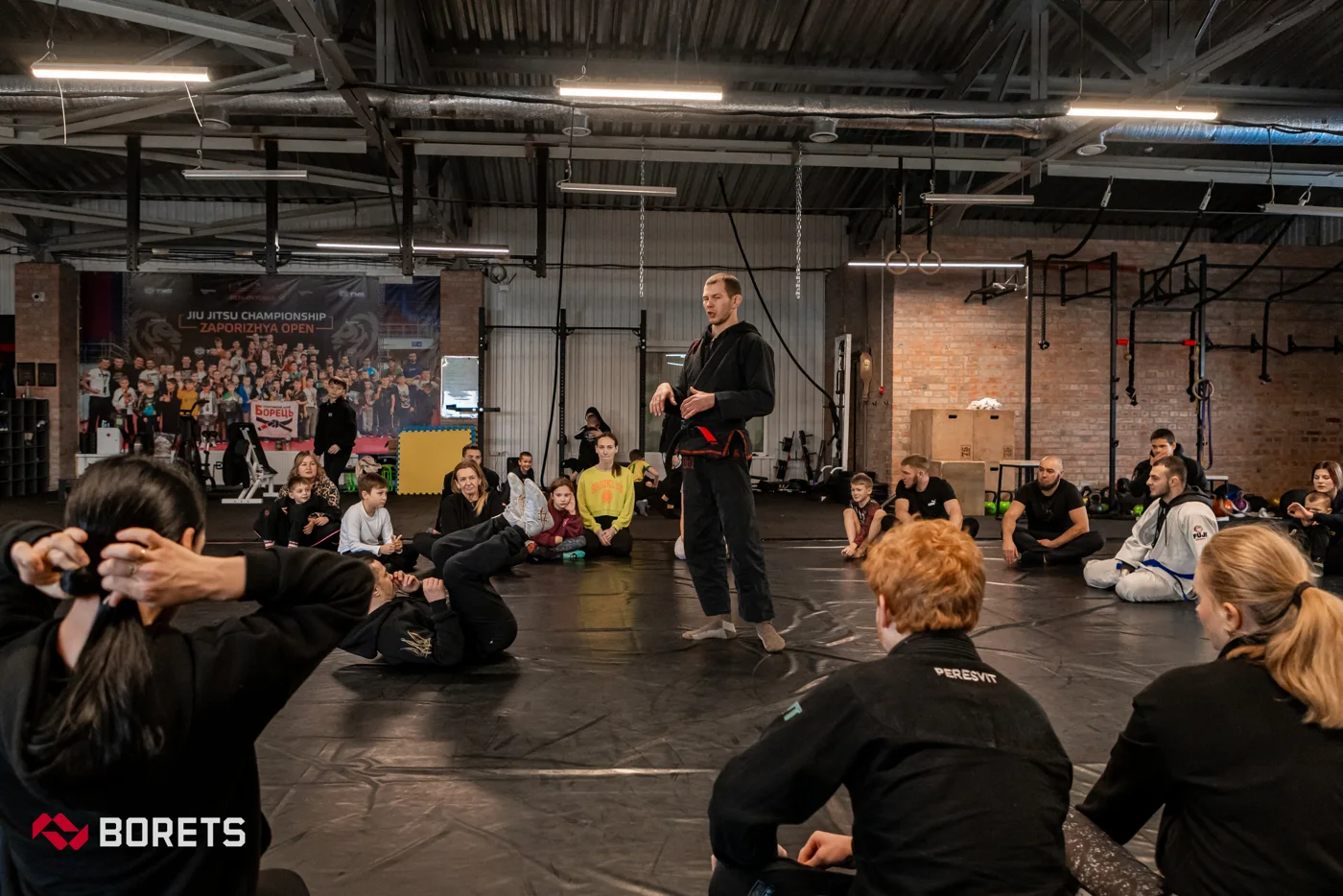
In this guide
- Write down what matters before searching
- Make a short list that includes ordinary local options
- Send one message with the questions that change your decision
- Check how the club takes responsibility for children
- Watch how a beginner is included in a real class
- Help previous experience transfer without demanding the old place
- Compare the whole week and the whole price
- Decide together after the visit
A useful first club is one your child can attend, understand and gradually become part of. That may be the same sport they practised in Ukraine, a different activity, or their first experience of organised sport. Start with the child and the family’s actual week. A famous academy across the city is not automatically a better choice than a welcoming, well-run group you can reach regularly.
Write down what matters before searching
Ask your child what they want to keep from their previous activity: the sport itself, playing with others, learning difficult movements or competing. A swimmer may want another swimming group, but may also be curious about grappling. A beginner may simply want to try something with a friend. Write down three practical limits together: possible days, realistic travel time and the amount you can spend. Add any access or communication needs the coach should understand. This makes it easier to compare actual options instead of photographs.
Make a short list that includes ordinary local options
Check the school’s after-school activities, municipal sport listings and clubs named by the relevant national federation. Ask a local library or community centre where families find children’s groups. Recommendations from other Ukrainian parents can help you discover a club, but visit it yourself. A shared language is useful; the quality of the children’s session still matters. Choose two or three realistic options. If there is no suitable club nearby, keep the search open while building a simple movement routine at home.
Send one message with the questions that change your decision
Introduce your child’s age, previous sport and experience, including no experience at all. Say which languages they understand and ask which group the coach recommends. Then ask: Is a trial available, and what does it cost? Can a parent watch? What should we bring? How are beginners introduced to partner work? Can instructions be demonstrated? Is competition optional? What are the full monthly and initial costs? Request the timetable in writing. A clear reply should tell you what will actually happen on the first visit, not just that everyone is welcome.
Check how the club takes responsibility for children
Ask who is responsible for safeguarding, how concerns are reported, what checks and training staff have, and what happens after an accident. Ask to see the club’s written procedures, including collection arrangements. The NSPCC’s Child Protection in Sport Unit uses these areas in its parent checklist. Local requirements differ, so ask the club to explain its own arrangements rather than expecting a particular British certificate abroad. You need a named contact and understandable answers, not a promise that problems never happen.
Watch how a beginner is included in a real class
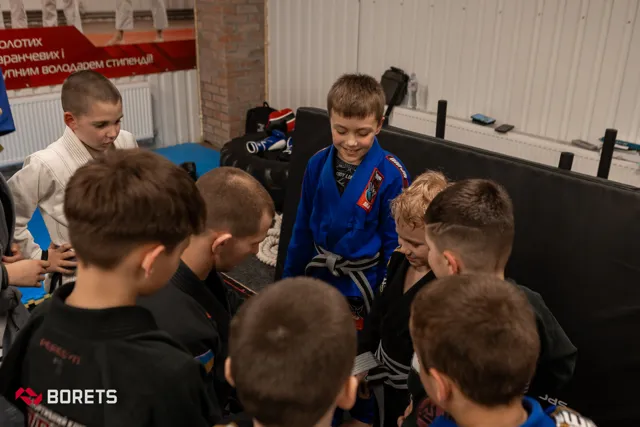
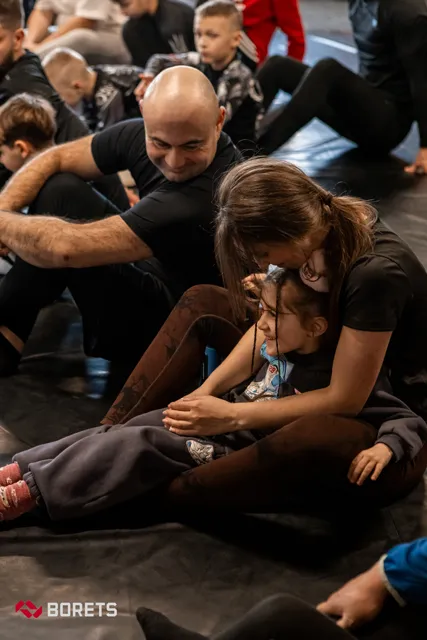
During a permitted observation, watch an ordinary mistake. Does the coach explain again, demonstrate or adapt the task? Notice how partners are chosen and whether a child asking to stop is heard. For contact sports, ask how experience and size are considered. Look beyond how loud or quiet the room is: can the coach see the group and respond when help is needed? A child being mocked, pressured through pain or ignored after asking to stop is a reason to intervene and reconsider the setting.
Help previous experience transfer without demanding the old place
Tell the new coach what your child has actually practised, how often and for how long. With the child’s agreement, share relevant information from the previous coach. Titles, belts and age groups may mean different things in another system. Ask how placement will be assessed and explain the decision to your child before the visit. Experience in dance, football or gymnastics also belongs in the conversation. It gives the coach useful context without making your child prove that they deserve a particular position on day one.
Compare the whole week and the whole price
Calculate the door-to-door journey, including a late bus, a sibling’s collection and the return trip. Ask about registration, equipment, insurance or federation fees, grading, tournaments and cancellation terms. Find out which costs are optional before paying. If cost is the obstacle, ask about loan equipment or local assistance rather than assuming it exists. Choose a trial or short commitment when available. A schedule you can sustain is more useful than buying an ambitious package and repeatedly missing sessions.
Decide together after the visit
Ask what your child understood, what they enjoyed and what they would change. Compare that with your notes on the coach, journey and cost. Agree whether to return, try another group or pause the search. UNHCR’s sport work emphasises access and participation. For your family, the useful question is specific: can this child take part here, with these adults and this weekly routine? Review that answer after a few visits.