 BORETS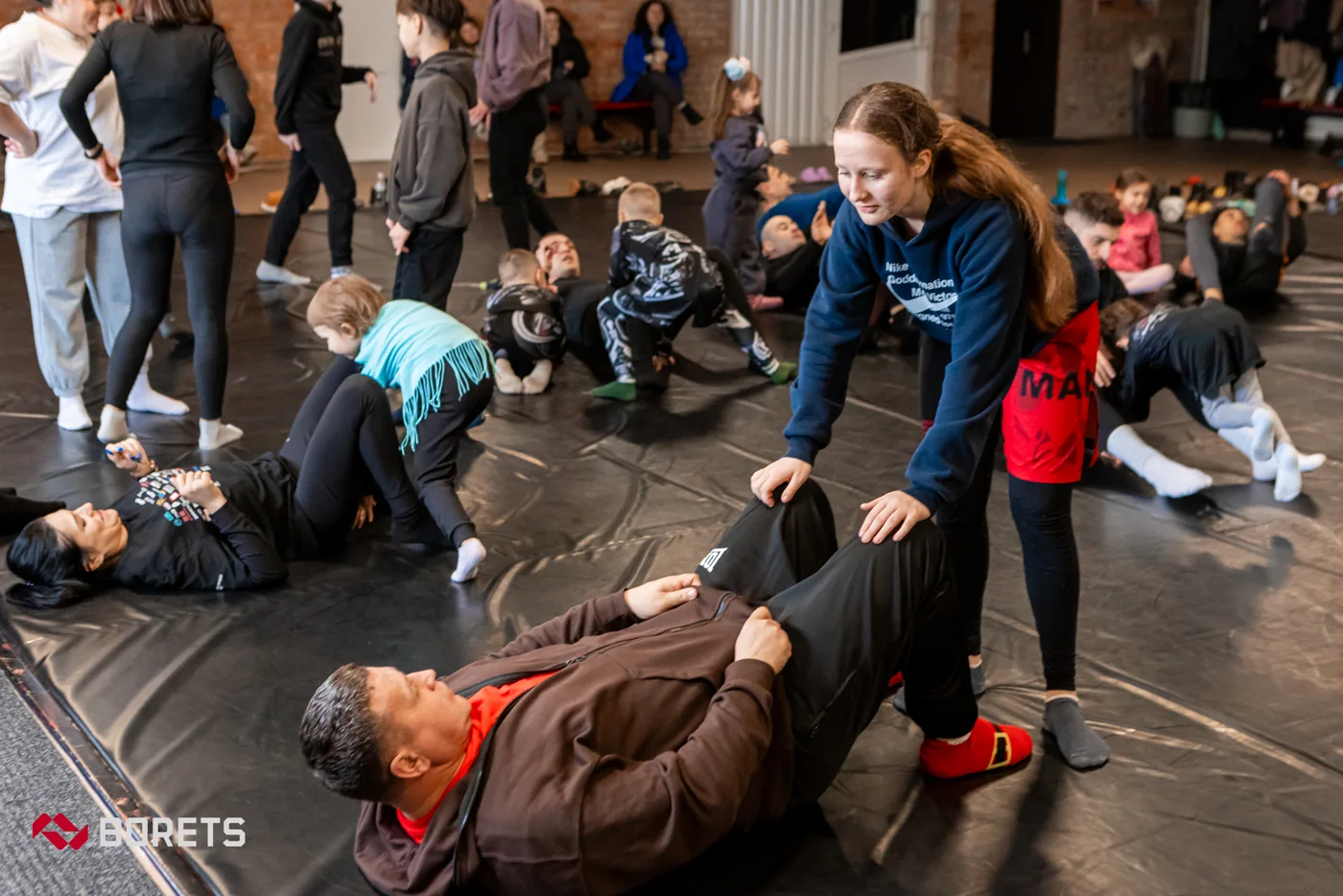
In this guide
The most useful first question about judo for kids is not how quickly a child can earn a belt. It is what their first few visits will feel like. Will someone explain the games and partner work? Can they ask to stop? Is the group organized for children with their level of experience? A good trial gives your family a picture of ordinary training, including the moments when a child is confused, tired or simply needs another explanation.
Before the visit: find the right group
There is no single starting age that tells every family what to do. The IJF's discussion of early participation distinguishes playful discovery from more structured judo learning. Clubs also set their own admission ages. Ask what children in the proposed group actually do, how long the session lasts and whether complete beginners join together or receive individual help within an established class.
Give the coach useful information without turning the conversation into a prediction of sporting ability. Explain whether your child has attended group activities, worked with a partner or tried another grappling sport. Ask how they introduce a newcomer who wants to watch first. You are looking for a practical response to the child in front of you, not a promise that judo produces the same result for everyone.
Confirm the trial arrangement and clothing before buying a uniform. Find out whether parents can observe, how pickup works and whom to contact about a concern. These details can be settled in a short conversation. Having them clear leaves the visit focused on the class rather than on avoidable uncertainty at the door.
During class: watch how the coach teaches
You do not need to recognize every Japanese technique name to assess an introductory lesson. Watch whether the coach gives a task children can understand, checks what they are doing and adjusts when the explanation has not landed. Games can have a teaching purpose; a class does not need to look like an adult competition practice to be doing useful work.
Look at partner selection and changes of partner. Size matters, but so do experience and how a child cooperates. Ask the instructor to explain the pairing if you are unsure. The IJF's teaching guidance emphasizes managing the group and developing falling skills before throws. In a beginner class, you should be able to see how the coach prepares children for the action they are asked to receive.
Notice the response to a pause. If a child says they do not understand or needs to stop, what happens next? A clear explanation or an adjusted task tells you something valuable. So does a coach who notices that two partners are no longer following the assignment. You are observing the actual handling of the room, not trying to judge a teaching style from how loud or quiet the instructor sounds.
Afterward: ask about one real moment
A broad question such as whether the class was good can produce a quick yes or no. Try something more concrete: Which game would you like to do again? What was difficult to understand? Who helped you? Let the child describe the experience before giving your own assessment. The answer may be about a partner or a small success rather than the impressive technique you noticed.
One hesitant visit is not enough to predict a whole season. If the child is interested but unsure, agree on another trial and tell the coach what was confusing. If they clearly do not want to return, take that seriously and discuss why without making them defend a permanent decision. Trying a different group or another sport can be a reasonable next step.
Ask the coach what they would work on during the next few sessions. A useful answer might involve following a partner task, receiving a movement or recognizing a position. It should give you something more concrete than an immediate medal target. You can then compare the next visit with that expectation instead of with another child's belt.
Before enrolling: understand the commitment
Check the ordinary weekly schedule, the membership terms and the cost of required equipment. Ask separately about grading, competitions and travel: which are optional, and when might they become relevant? A family can enjoy regular classes without committing to every event on a club calendar. Make that expectation clear before paying for a longer period.
Find out how the club assesses progress for this age group. Junior belts and stripes are not identical across all organizations, so ask for the local explanation. Progress can also be discussed through observable skills: remembering the agreed starting position, cooperating through a drill or completing a familiar task with less prompting. These observations are useful even when no grading is scheduled.
At home: support the class without recreating it
You do not need to become your child's throwing partner. Let the coach specify any home activity and keep it within the task they have taught. Watching a short clip together can prompt a question for the next class, but copying a throw from a video with an untrained family member is a different activity from studying it.