 BORETS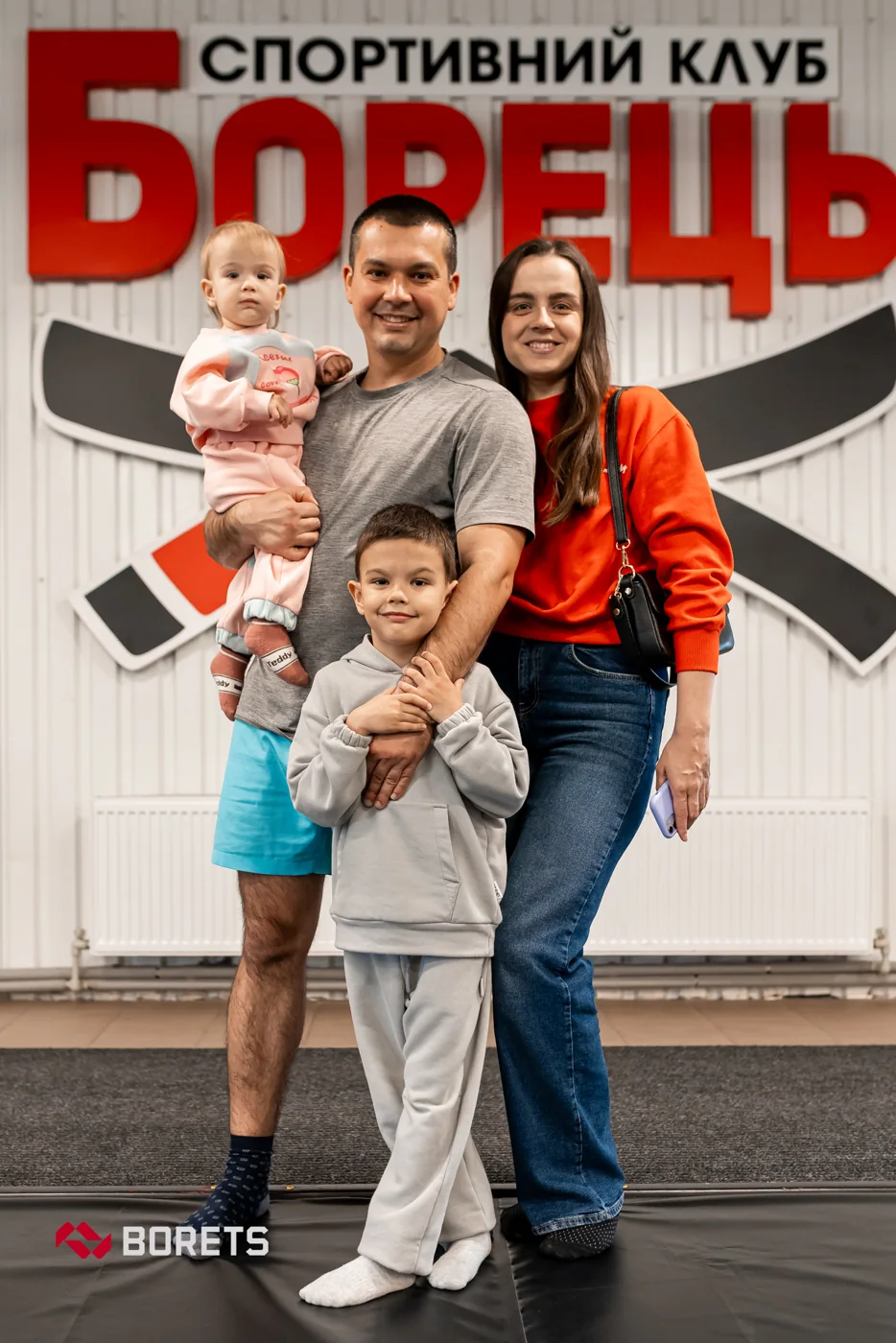
In this guide
There is no single best grappling sport for every child. Sambo, Brazilian jiu-jitsu and freestyle wrestling give children different problems to solve, but the name above the door does not tell you how a beginner will be treated. Choose by comparing the actual class: its tasks, partners, contact level and the child’s response.
What changes between the three sports
Sport sambo connects jacket grips, balance, throws and ground control. Its competition rules include permitted joint locks but exclude strikes and chokes; a children’s beginner lesson does not need to begin with submissions. A useful first task might be keeping balance while a partner gently changes the direction of a jacket grip.
BJJ gives substantial attention to ground positions and moving between them. A child might learn to recognize when their legs are between them and a partner, then regain that space. Freestyle wrestling emphasizes takedowns, exposing the back and pins; its holds can involve the legs. A first task might use movement and a controlled change of position, without completing a throw.
Watch how the group works
At a trial class, watch the least experienced child rather than only the most impressive athlete. Does the instructor demonstrate a manageable task? Is the child given time to try again? Does the explanation change when the first version is confusing? These observations say more about beginner teaching than the trophy shelf.
Also watch the partner selection. Similar age does not necessarily mean similar size, confidence or experience. A productive pairing gives both children a role they can manage. An older, controlled partner may sometimes help, but repeatedly using a beginner as someone else’s easy opponent is not a teaching progression.
Separate the child’s preference from your prediction
A child who enjoys one ground game is not automatically a future BJJ specialist. A child who hesitates around jacket grips has not failed a sambo test. New clothing, unfamiliar children and the noise of a room can affect the first experience. Give the child a concrete way to describe it: which task would you like to try again?
Compare practical fit as well. A nearby group with clear teaching and suitable partners may be a better choice than a famous program whose schedule leaves the child rushing or exhausted. Treat attendance, cost and travel as part of the decision, not inconveniences that commitment should somehow overcome.
Ask about the actual beginner pathway
Before enrolling, establish what happens during the first weeks, how the stop signal works and whether competition is optional. For a US wrestling club, confirm whether the program teaches freestyle, folkstyle or both. For sambo, confirm sport or combat. For BJJ, clarify gi or no-gi and the contact permitted in this specific children’s group.
According to the founder, BORETS works with children from around six to seven years old. That describes the club’s experience, not a universal readiness age or a promise of identical results. The useful question remains whether this child can participate in this group’s tasks and wants to return.
Make a reversible first choice
Use a trial period to look for understandable tasks, respectful correction and a child who can name something they learned. You do not need to decide their entire sporting future. Changing groups or trying another discipline can be a sensible response when the current setting does not fit.
Keep the comparison fair: do not judge one sport by a welcoming beginner session and another by an advanced competition practice. Compare suitable beginner groups, then choose the place where your child can learn with other children and where the adults make the boundaries clear.