 BORETS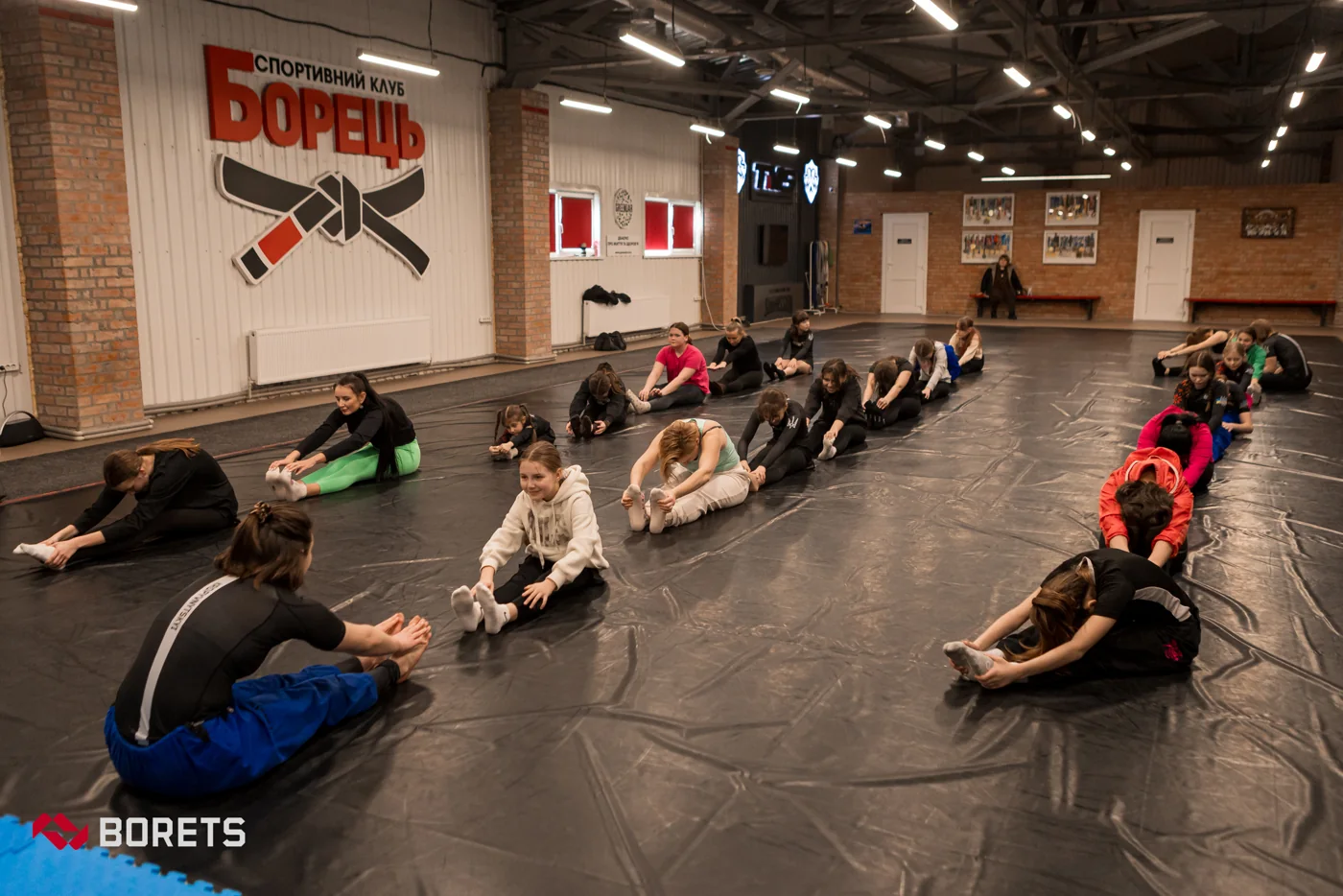
In this guide
Before children learn to throw a partner, they need to learn how to receive the movements being practiced. In sambo, this preparation is often called breakfall or self-protection training. Parents do not need to memorize a technical sequence to evaluate it. They need to see a clear progression, suitable surroundings and an instructor who checks the child’s response.
The mat is part of the lesson
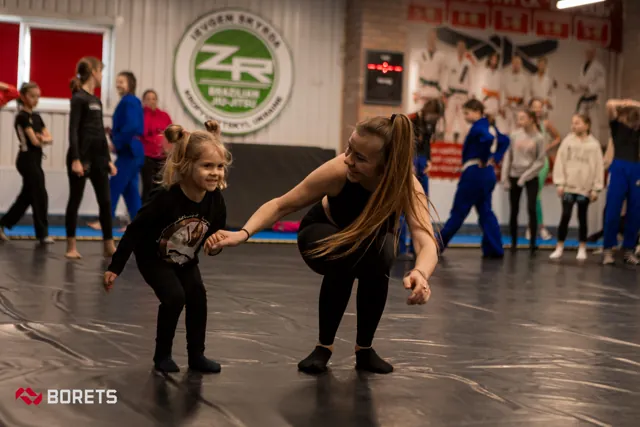
Look for a clean, continuous training surface with enough space between children. The practice area should be clear of bags, walls within the fall path and other pairs crossing through. A soft-looking household mattress is not the same environment: it can shift, create edges or conceal a hard surface around it.
FIAS’s 2026 Alajuela coaching seminar explicitly included falling technique and training safety for work with beginners. That places receiving a fall inside the teaching process, rather than treating it as something a child will learn automatically after being thrown. The instructor should be able to show the stage currently being practiced.
Begin where the child can stay organized
A progression can begin from a low position, with the instructor demonstrating the intended contact with the mat before adding height or a partner. Low does not mean careless. The child still needs to understand where the movement starts, where it finishes and when to pause for feedback.
Watch whether each repetition begins deliberately or turns into a race to fall faster than the next child. Speed and noise are poor measures of learning. A child who can repeat one controlled version and recognize its finish gives the instructor better information than a child completing many hurried, different falls.
Notice the head and the reaching arm
The demonstration should make it clear how the head stays protected during the selected movement. If the child’s head unexpectedly strikes the mat, stop the task and alert the instructor before continuing. Do not count a repetition as successful merely because the child stands up quickly or says they can continue.
Another visible reason to simplify is a repeated attempt to catch body weight on a stiff, outstretched arm. Parents should identify this as something to bring to the instructor, not try to correct it by pushing the arm away mid-fall. The next repetition needs an easier, explained starting point.
Add a partner without adding a surprise
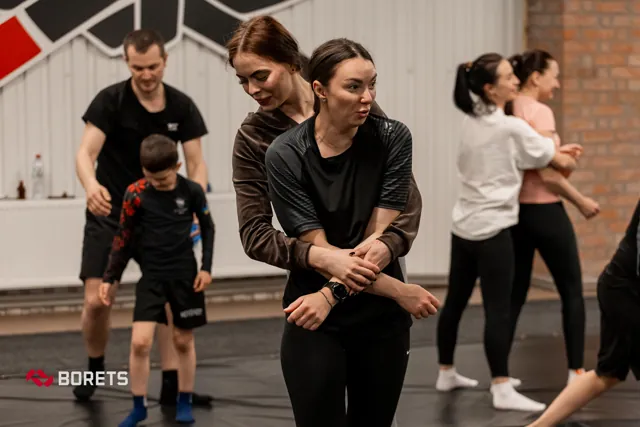
Receiving a planned movement from a cooperative partner is different from reacting to an unexpected throw. Introduce the agreed version with clear roles: who moves, who receives and who gives the start signal. The child receiving should know what is coming and have a way to stop before the action begins.
The instructor can then decide whether the same task remains controlled with a small change. Adding more height, speed and resistance together makes the result harder to interpret. If the child stiffens, loses the practiced response or becomes frightened, return to a simpler version rather than treating the reaction as disobedience.
What parents can support outside the mat
You can help your child describe the task and remember its stop signal. You can also make sure training clothing is ready and the next visit is not rushed. Recreating partner throws on a bed, carpet or playground does not test what was learned in the supervised setting.
A useful question after class is: what told you that you were ready for the next version? Look for an answer about control, understanding or the instructor’s check, rather than courage alone. Breakfall practice remains a skill to revisit as the movements change; one successful lesson is not permission for every throw.