 BORETS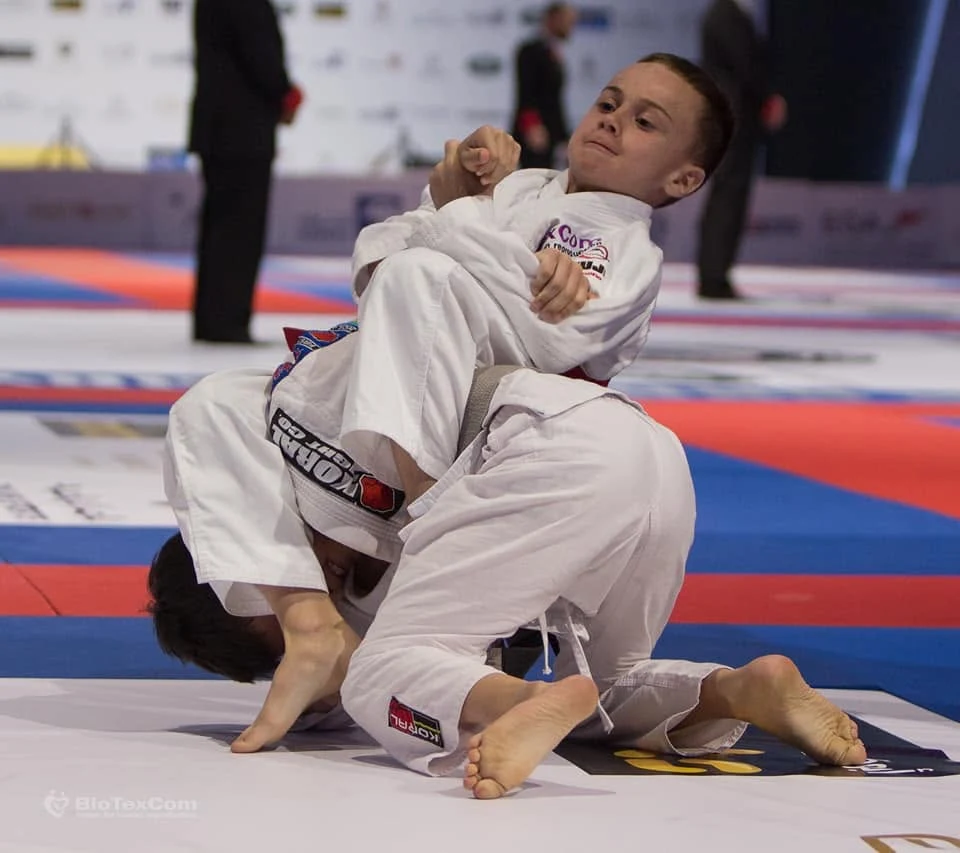
In this guide
Prepare a child's BJJ competition trip around readiness, logistics and a simple match-day routine. Choose an appropriate event with the coach, check the division and weigh-in rules, pack familiar kit and decide how you will support your child before and after competing. The goal is a useful experience that helps them keep learning, whatever the bracket says.
Choose an event that fits the child, not the parent
The right first event is small, local and close to home, with age and belt divisions that put your child against children like them. International trips come later, when the child asks for them and the coach agrees, never because a parent wants a photo from abroad. Read the rules for the child's age before you register: kids' divisions restrict which submissions and positions are allowed, and the IBJJF rule book spells this out by age group. The question to ask the coach is simple: is my child ready to have a good day here, whatever the result? If the answer is a hesitation, wait for the next one.
Documents, kit and the boring things done early
Most competition stress is logistics left too late. Do them the week you register. Passport validity and any consent letters if the child travels with the coach rather than a parent. Insurance that covers sport. Registration in the correct age, belt and weight division, with the weigh-in format understood: some events weigh in the gi, some the day before. A gi that meets the uniform rules, plus a spare, a mouthguard, athletic tape, flip-flops and warm clothes for a cold sports hall. Snacks the child actually eats, and water. Put it all in one bag three days before departure and never think about it again.
The week before: nothing new
Avoid a last-minute jump in training or a new competition diet. Agree with the coach on a lighter final week and preserve familiar sleep and meals. Children should compete in a suitable natural-weight category rather than dehydrate or skip food to make a bracket. Check division-change deadlines well before the event; some organizers cannot change an entry on the day. Plan rest around the journey and the child, rather than forcing an extra session to compensate for one missed earlier.
Travel routine and the day plan
Arrive the day before if you can, walk into the venue, find the mats, the warm-up area and the toilets, then leave and sleep. On the day, the plan is written the night before: breakfast at the usual time, arrival with a generous margin, the coach's warm-up, the bracket check, water and a small snack between matches. Decide who talks to the child about the match, and the answer is the coach. The parent's place is in the stands with a book, a charger and the snacks. Competitions are mostly waiting, so bring something for the hours between weigh-in and the first match.
What the parent says before and after
Before the match, keep it short and warm. I love watching you do this, listen to your coach, go have fun. That is the whole speech. After a win, name behaviours rather than the result: you stayed calm when he passed, you kept fighting for the grip. After a loss, a hug, food and no analysis that day. The analysis belongs to the coach, later, with the video. The sentences to avoid are the ones that start with you should have. Children replay those for years. Also avoid comparing them with the child who won, out loud or in your face.
A loss is information, not a verdict
After a loss, give your child space to settle before discussing technique. Later, ask whether they want to review the match with their coach. One useful takeaway is enough: an entry to practice, an escape to recognize sooner, or a better warm-up routine. Some losses also reveal an unsuitable bracket or too much pressure, so keep the conversation open. Returning to ordinary training with a manageable next step matters more than finding an instant explanation for every result.
From Abu Dhabi at seven to Belgrade at sixteen
A photograph in our archive shows Kostiantyn Zhyvanov competing in Abu Dhabi at seven. At sixteen, he reached an adult ADCC Trials final. Those two moments illustrate the time involved in developing an athlete. A family's first trip does not need to imitate his route: choose an event that serves your child's current experience, and let the next step follow from what they learn.
Bring the event, your child's experience and your main concern to the team. Yaroslav Blazhko can help you think through children's competition preparation; you can also choose Ievgen Skyrda or the coach whose discipline fits the question. BORETS membership includes written consultations and video responses when a demonstration helps, wherever your family lives. Register for the school's launch and watch our team on YouTube while the video programme is being prepared.