
Describe the break accurately
A break from grappling while continuing other exercise is different from a long period with little activity. A new job, travel, illness, injury or a change of club can also leave different practical problems to solve. Share that context before the session so the coach is not planning from your old training history alone.
If you are returning after injury or illness, follow the relevant medical guidance before resuming contact or strenuous training. This article concerns organizing the return; it cannot decide whether an injury has healed or clear you for sparring.
Agree on what the first sessions are for
Choose familiar technical work and an agreed amount of partner practice with your instructor. Discuss the starting positions, resistance and stopping points before joining a round. Do not assume a partner can infer your limits from the fact that you have been away.
The NSCA and CSCCa identify the transition from inactivity to regular training as a period that needs deliberate workload management. Their guidance supports a planned progression rather than an immediate return to previous demands. It does not supply a single return schedule for every recreational grappler.
- Tell the coach what training you have actually maintained during the break.
- Agree which parts of today's class you will join and how you will modify partner work.
- Choose partners who will follow the agreed task and communicate clearly.
- Set a time to review the first sessions before adding more work.
Rebuild a week you can repeat
Begin with the sessions your current life allows, not the timetable you followed years ago. Put work, school, travel and existing exercise on the same calendar. If the new plan repeatedly forces you to miss sessions or arrive exhausted, revise it before treating the problem as a lack of discipline.
Discuss changes one at a time: attendance, length of partner work, resistance or additional conditioning. Increasing all of them together makes it harder to understand which demand is causing difficulty. Keep a short record of what you completed and how ready you felt for the next planned session.
Handle the comparison with your former level
You may recognize a position before you can execute the response as comfortably as you remember. Use that gap to choose a practice task. Ask for a starting position where you can work on the transition instead of turning every exchange into a test against your former self.
At the end of a session, name one movement or decision that felt familiar and one that needs more work. A coach can help separate a technical detail from a workload issue. That review gives the next session a purpose beyond trying to feel exactly as you did before the break.
Make the return fit the athlete's age and situation
For a child returning after a school break or a move, reconnect with the class and coach, explain the routine and check that the child wants to participate. A teenager may have changed sports, grown or taken on a different school schedule. Review the actual situation instead of treating a previous competition record as proof of present readiness.
Adults returning to sambo, BJJ or wrestling can use online lessons to revisit familiar terminology and prepare questions between supervised sessions. BORETS members can send a coach a focused question or training clip and explain their time away. Use that feedback alongside the coach who can observe your return on the mat.
Explore the video library
Published lessons in this training category, ready for your next session. Watch them all with your school membership.
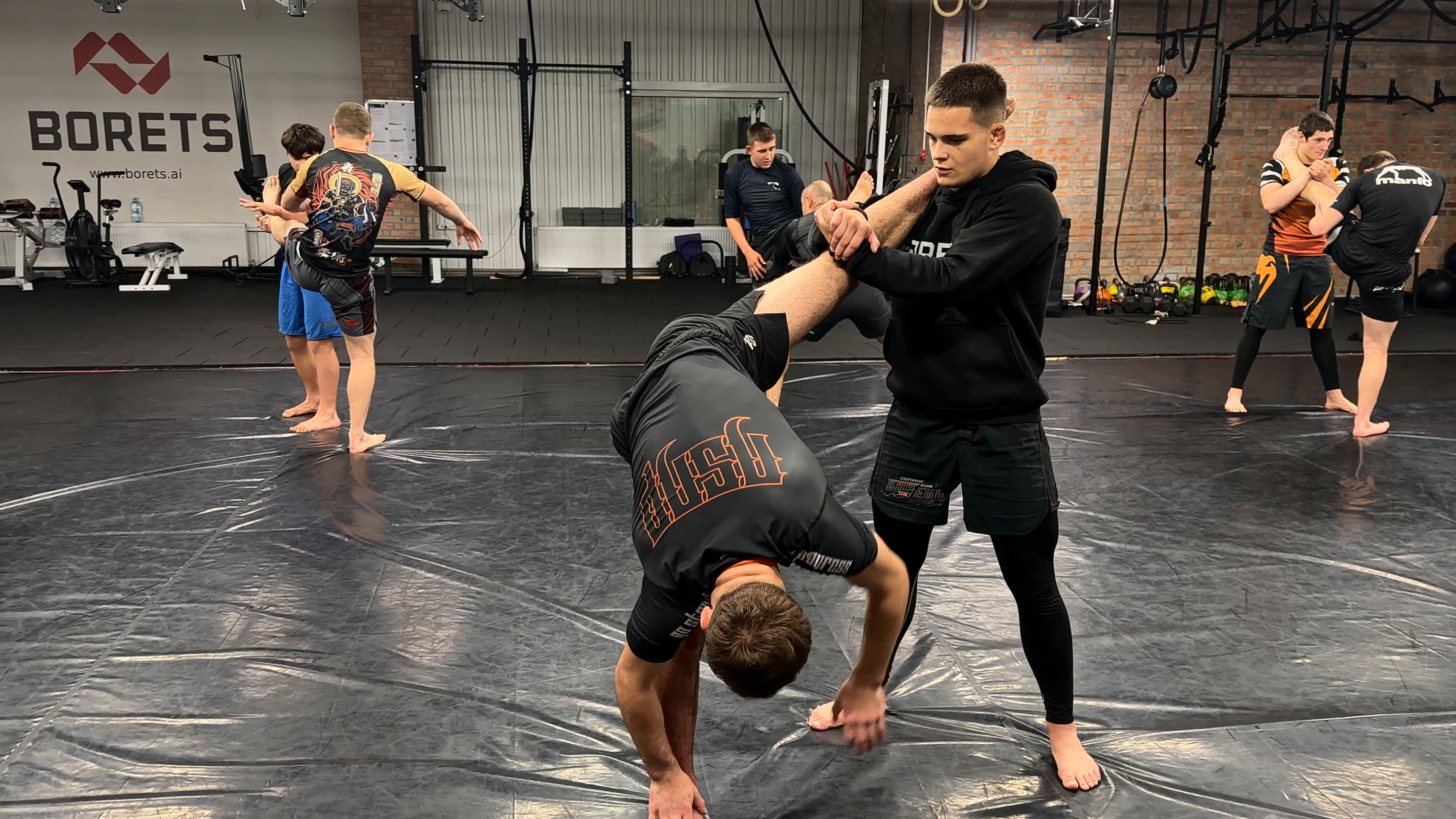 Partner-Assisted Leg StretchMykola Chaban
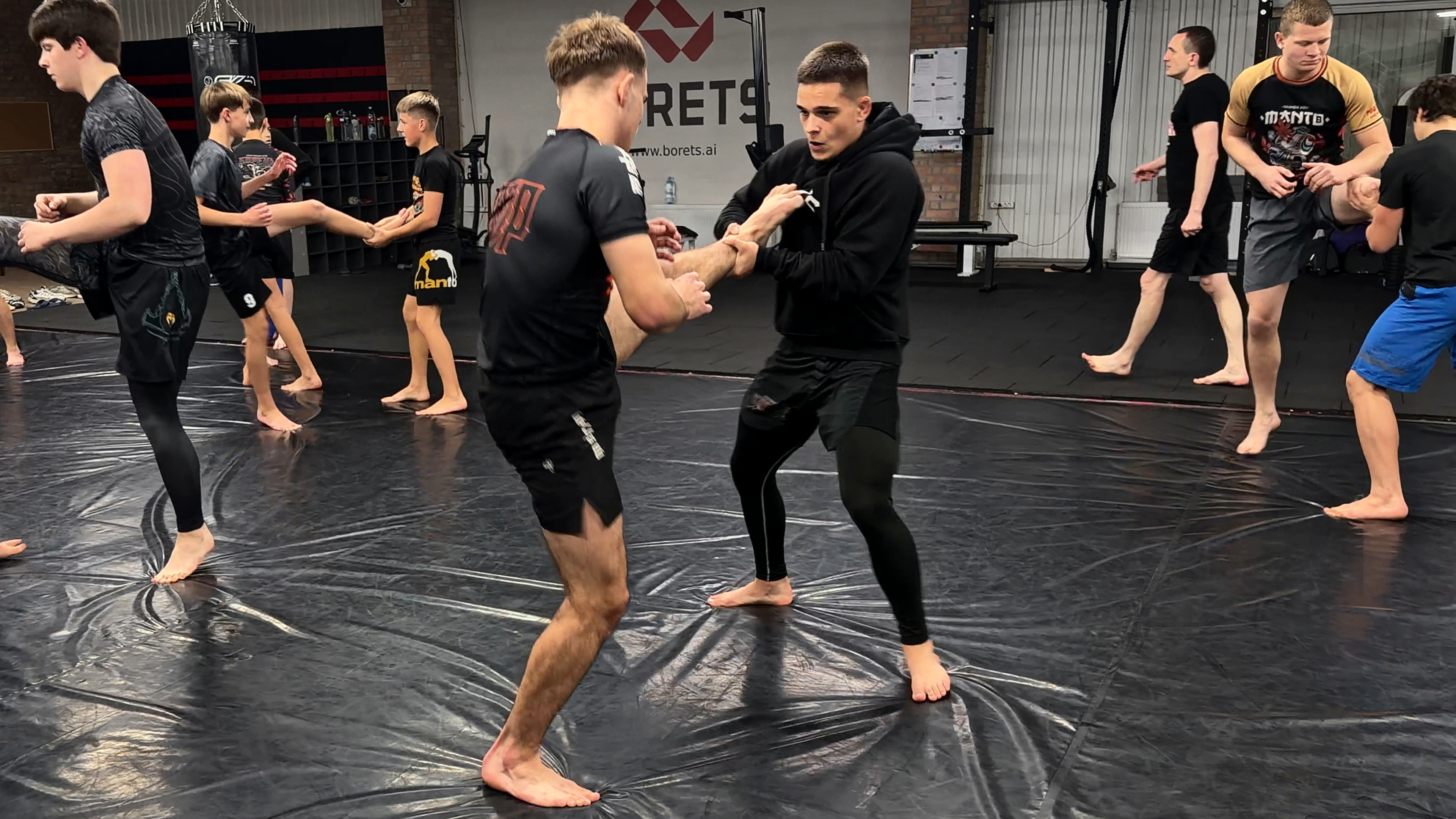 Partner Single-Leg Balance DrillMykola Chaban
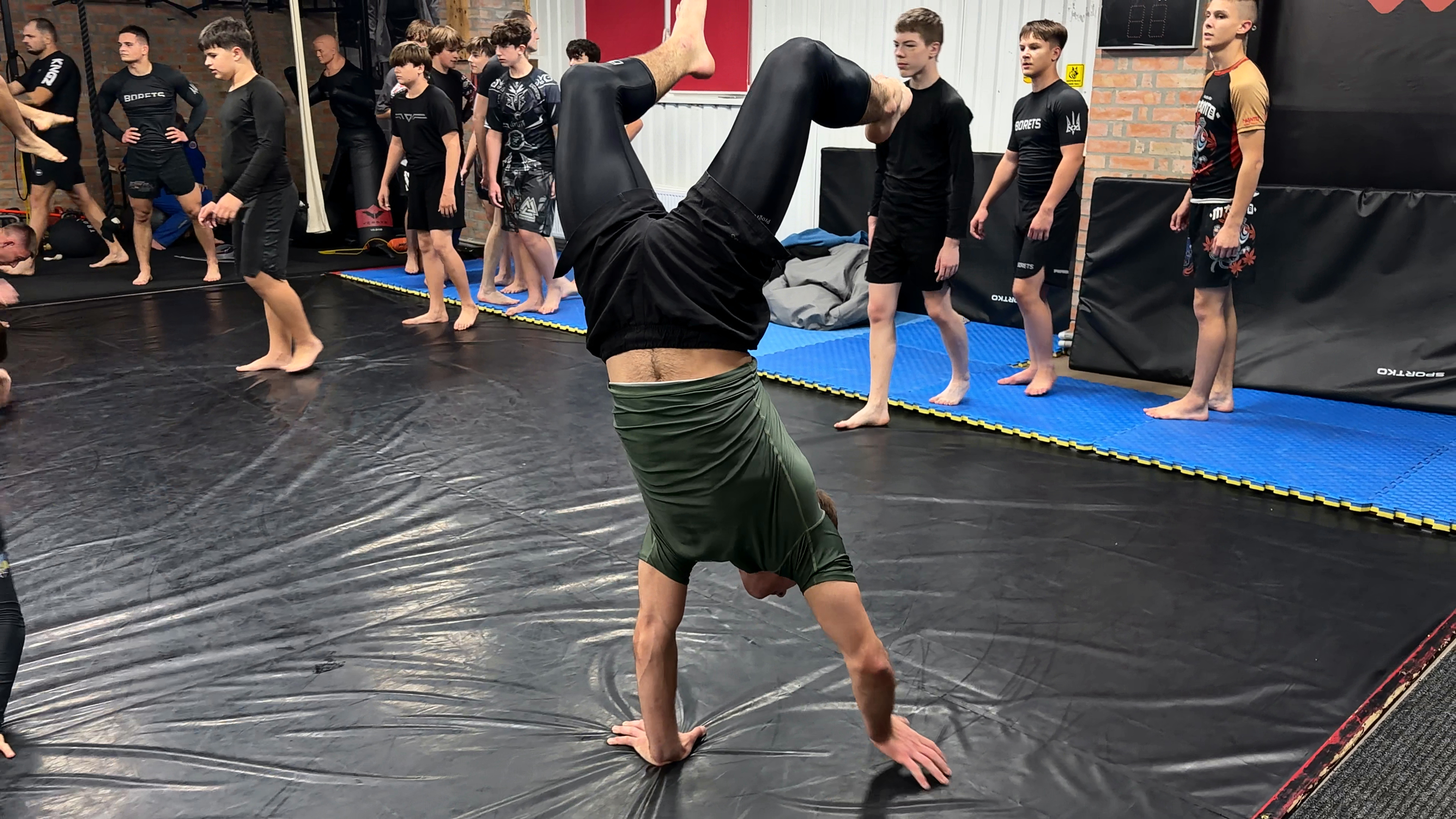 Headsprings & Handstand WalkingIevgen Skyrda
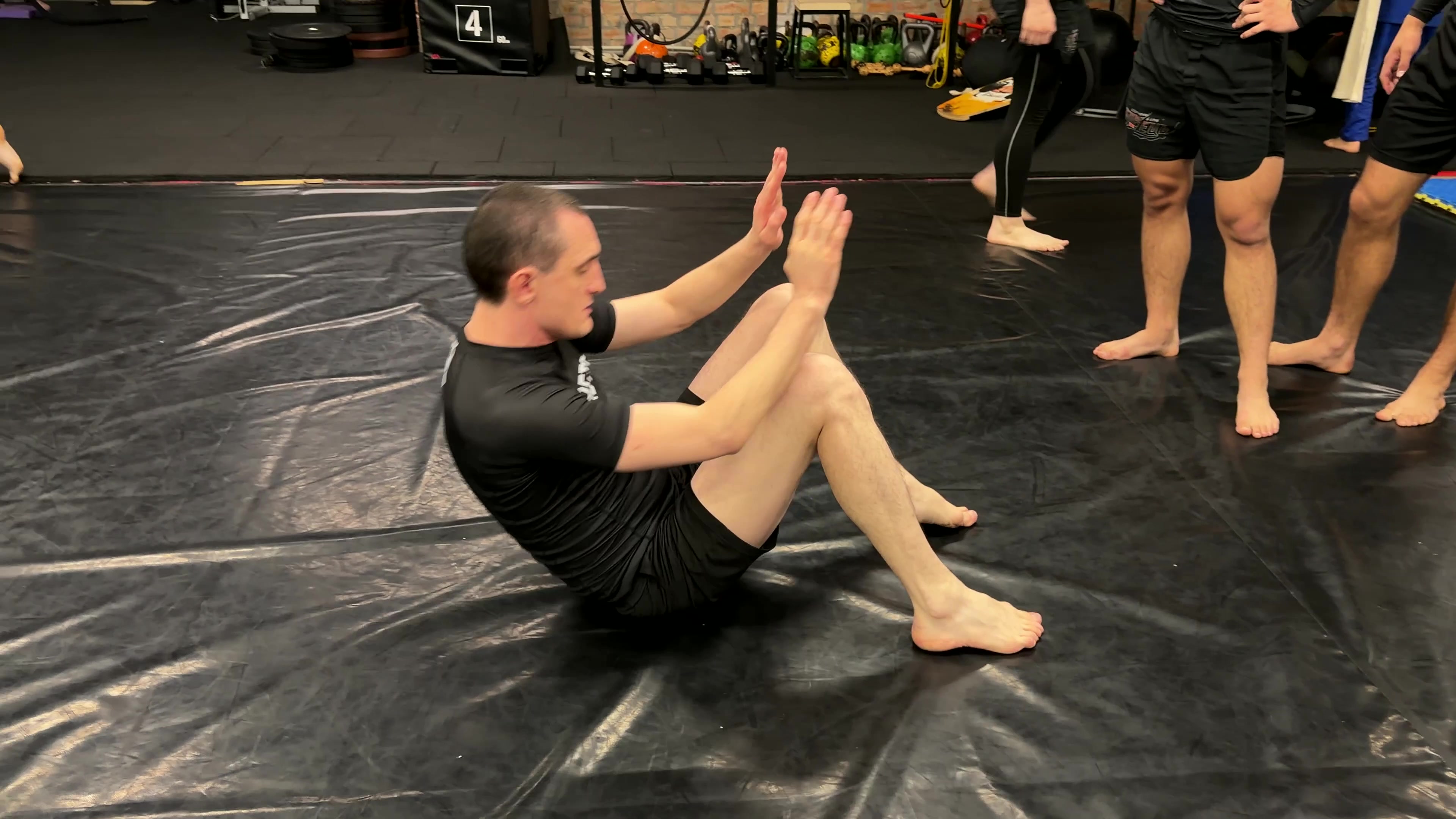 Side Rolls & Forward Rolls from KneelingIevgen Skyrda
Common questions
How long does it take to get my grappling fitness back?
There is no reliable universal timeline. It depends on the length and nature of the break, your current activity, health and training demands. Agree on a progression and review actual sessions rather than using a promised number of weeks.
Should I train at home before returning to the club?
You can contact the coach and discuss suitable preparation, but you do not have to pass a self-imposed fitness test before asking to return. Videos can refresh your understanding; contact drills, throws and submissions need the appropriate setting and supervision.
Build a more complete grappling game.
Learn from the team that developed homegrown black belts and an adult ADCC Trials finalist at 16.
One membership unlocks every published lesson in sambo, BJJ, freestyle wrestling, strength and conditioning, and mental preparation. Pick your focus, study the details and take them into your next session.
1,340 UAH / month · 13,400 UAH / year
Payments are charged in Ukrainian hryvnia (UAH). Your bank determines the conversion to your currency.
Continue reading
- Learn Sambo Online: Lessons, Practice & Coach FeedbackLearn sambo online with BORETS LAB: recorded lessons, Ukrainian Grappling Style, conditioning and a practical way to get feedback on your own training.
- BJJ Strength and Conditioning: A Two-Day Strength PlanAn adaptable two-day strength plan for BJJ, with exercise patterns, sets, recovery and ways to fit gym work around your most important jiu-jitsu sessions.
- Goal Setting for Grapplers: Turn a Match Problem Into a Practice PlanUse clear training goals in sambo, BJJ and wrestling. A practical worksheet connects match video, coach feedback and progress for children and adults.
- BJJ Cardio: What to Check When You Gas Out During RollingImprove your approach to BJJ conditioning by identifying when you tire: pace, grip effort, repeated attacks and recovery around your mat schedule.