
The direct answer
Learn the current NFHS or NCAA scoring model first, then build one takedown, one escape and one dependable ride.
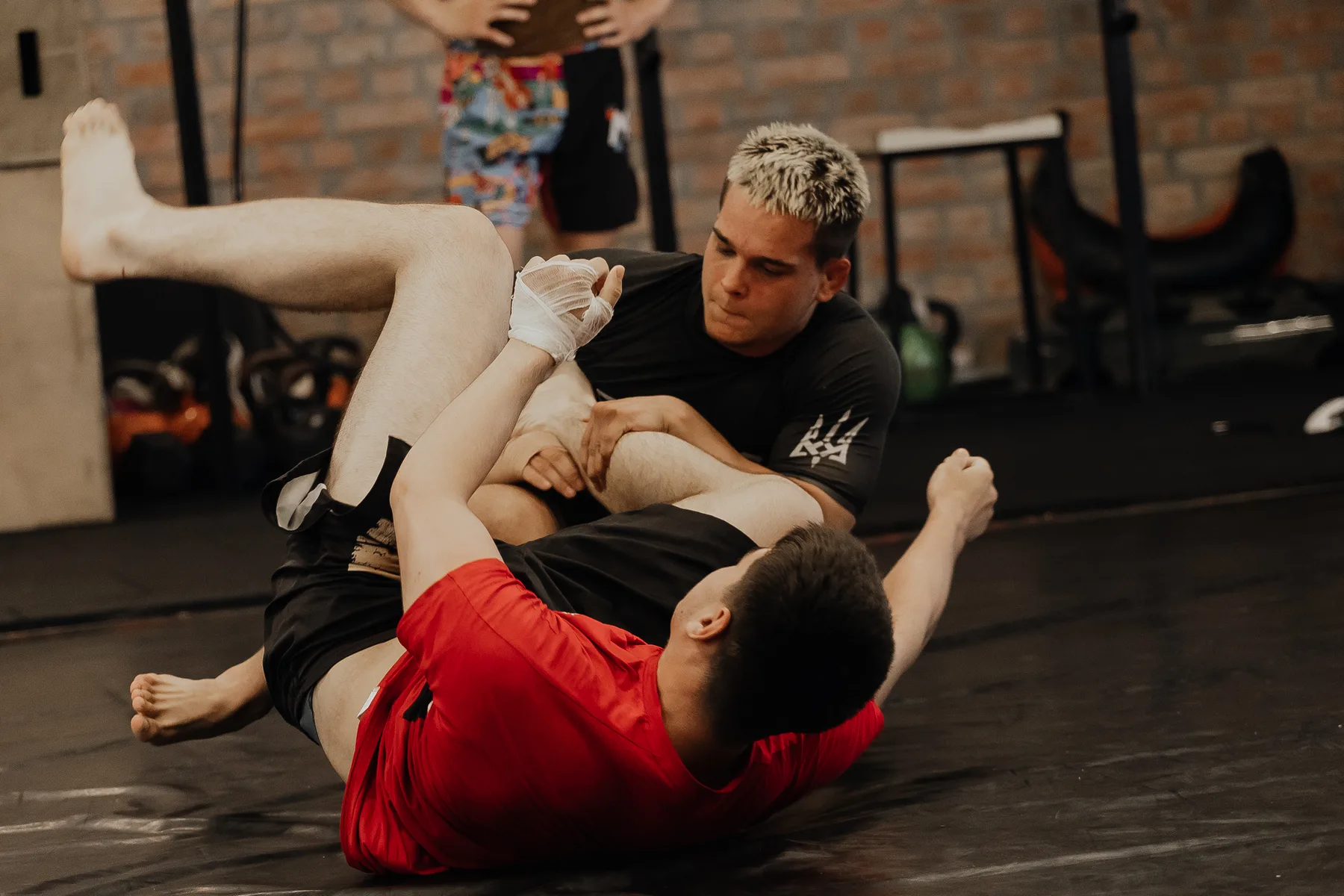
Folkstyle wrestling is the control-centered ruleset used throughout U.S. scholastic wrestling. A useful rules guide begins with the three positions—neutral, top and bottom—because every score changes who controls the next problem. From neutral, athletes work to establish a legal takedown and secure control. From bottom, the defensive wrestler tries to escape or reverse. From top, the offensive wrestler attempts to maintain control, turn the opponent and pursue a fall. Near-fall situations, penalties, boundary decisions, injury time and the end-of-match procedure all affect strategy, but the applicable NFHS rule book and the athlete’s state association remain the final authorities. Coaches should therefore teach rules as live decisions, not as a list memorized once in preseason. An athlete must recognize the score, period, remaining time, restart position and risk of a penalty before choosing an attack. This guide gives that decision framework without replacing the current official publication or a qualified referee’s interpretation.
01
What to understand
Identify the position before the score
Call every exchange as neutral, top or bottom before discussing points. Control is not awarded because one athlete touched the mat first; the referee evaluates whether the action established the position required by the current rule. Freeze practice clips immediately after a scramble and ask which athlete can demonstrate control, which athlete is still reacting, and what must happen next. This habit prevents athletes from celebrating an unfinished takedown or conceding an escape that has not been completed.
Separate match points from team points
The score displayed during a bout measures the athletes’ actions; the value delivered to a dual meet or tournament team is a different layer determined by the result. Teach those layers on separate boards. First audit takedowns, escapes, reversals, near-fall actions and penalties inside the bout. Only after the result is official should the room discuss how a decision, major outcome, technical fall, fall, forfeit or disqualification affects team scoring under the applicable event rules.
Use the boundary as a rules problem
Near the edge, athletes must continue legal action while understanding when the referee may stop and restart wrestling. Do not teach an unofficial habit such as relaxing when a foot approaches the line. Run boundary rounds with a referee or coach giving the actual stop command, then restore the correct starting position. Review whether the athlete stayed in legal contact, tried to flee, exposed a vulnerable landing, or surrendered control while assuming the whistle would arrive.
Translate score and time into risk
A technically available move is not automatically the correct tactical choice. The same wrestler may need a secure finish while leading, a rapid scoring sequence while trailing, or disciplined defense when a penalty would decide the bout. Build scenario literacy by showing the scoreboard before every situational round. Require the athlete to state the objective, the unacceptable outcome and the likely restart before action begins. Rules knowledge becomes useful only when it changes the choice.
02
How to train it
Round 1 · referee vocabulary
Choose eight short clips from current scholastic matches. Before revealing the official call, athletes write the starting position, the action they believe occurred, the control evidence and the expected restart. A coach then compares the answers with the official signal and current NFHS language. Any disputed example goes into a question file for a qualified official; the room does not invent a rule from memory or commentary.
Round 2 · three-position scoreboard
Run three 45-second bouts: neutral with a tied score, bottom while trailing, and top while leading narrowly. Display time and score. The athlete must describe the tactical priority before the whistle, then wrestle under normal rules. After each round, compare the chosen action with the match state. Award the training point only when the athlete both executes legally and makes a decision appropriate to time and score.
Round 3 · edge and restart
Start one metre from the boundary in neutral, top and bottom. The coach controls the whistle and uses the event’s proper restart procedure. Athletes must continue safely until stopped, return without argument, assume the correct position promptly and identify whether the previous exchange changed the score. This round develops rules fluency, composure and the ability to preserve an advantage through an interruption.
Round 4 · penalty prevention
Select one recurring team problem—locked-hands confusion, illegal pressure, unnecessary roughness, stalling behaviour, equipment delay or poor conduct. A qualified coach demonstrates the legal boundary and the referee’s signal without asking athletes to rehearse dangerous action. Run constrained live work in which the objective is to maintain effective wrestling while avoiding the problem. Finish with a written team rule in plain language and the official reference to verify.
Position first; points second; tactics third.
Continue legally until the referee stops the action.
Read score, period, time and restart before choosing risk.
Ask the current rule book, not the loudest spectator.
Control must be demonstrated, not assumed.
03
Common mistakes
Memorizing an old points chart
Scoring language, interpretations and procedures can change. A laminated chart from a previous season is a teaching aid only after it has been checked against the current NFHS publication and state adoption. Put the version date on every team handout and remove superseded copies from the room.
Treating contact as control
A leg touch, brief rear position or opponent’s hand on the mat may look decisive without satisfying the full requirement of the call. Athletes who stop working early invite reversals and disputed outcomes. Coach the finish through the stable position and use video to identify the moment control actually became clear.
Ignoring state and event procedures
NFHS provides the national framework, while state associations and event administration may control classifications, weigh-in logistics and other procedures. A general web article cannot certify a local event. Assign one staff member to collect the official documents, brief athletes and record questions before travel.
Coaching the referee during live action
An athlete who waits for a desired call loses position and attention. The competitive job is to continue safe, legal wrestling and respond to the actual signal. Disagreements belong in the event’s approved review or communication process, handled calmly by the appropriate coach, never through an athlete abandoning the exchange.
04
Questions athletes ask
01 · Which rule book governs my high-school match?
Start with the current NFHS Wrestling Rules publication, then confirm adoption, classifications and procedures with the relevant state high-school association and event information. Local officials can clarify interpretations. Do not assume a youth club event, preseason scrimmage or independent tournament uses every high-school provision without modification.
02 · Why does folkstyle emphasize top and bottom work?
The rules create meaningful scoring and tactical consequences around establishing, maintaining, escaping and reversing control. That makes riding, breakdowns, turns, stand-ups, hand control and mat returns central skills rather than a brief transition back to neutral. The exact legal limits still come from the current rules.
03 · Should a beginner learn every penalty before competing?
A beginner needs the rules that protect safety, define legal scoring and affect common positions first. The coach should cover equipment, conduct, potentially dangerous situations, prohibited actions, stalling expectations, boundary behaviour and restart commands. More unusual cases can be added through weekly video review rather than one overwhelming lecture.
04 · How often should the team review rules?
Use a short rules segment every week and a formal verification whenever the governing body publishes a new season book, interpretation or points of emphasis. Review also after a disputed match, but separate the emotion from the lesson. Record the official answer and update the team’s shared reference rather than preserving a rumor.
05
Governing and institutional sources
Rules can change. The linked governing document—not this summary—controls your event. Educational content for athletes and coaches. This guide does not diagnose injury, replace individualized coaching or override event rules. Stop if an activity causes pain, and use an appropriately qualified coach or healthcare professional for your situation.