
The direct answer
Understand what judges reward before building combinations that end in visible, effective offense.
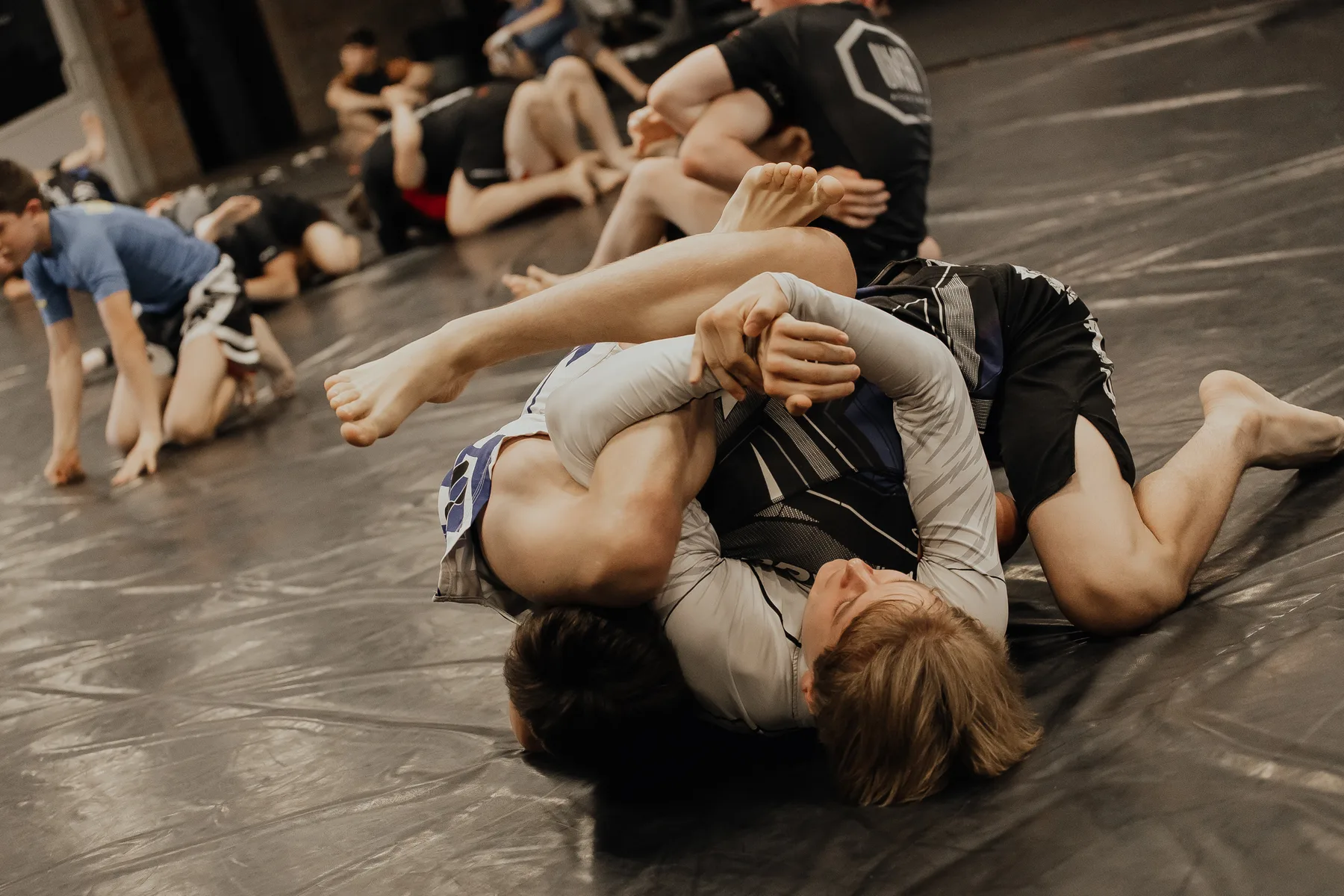
An open-space MMA get-up must create its own base because there is no fence behind the shoulders. The bottom athlete first protects the head and builds frames that interrupt chest pressure. Next comes a positional choice: recover a guard that can manage distance, turn to a seated angle, or create enough separation for a technical stand-up. The hands cannot post carelessly because wrist control, kicks and follow-up pressure may remove the support. The athlete should keep the opponent in view, place a foot that can carry weight, withdraw the vulnerable leg and rise behind a frame or threat. If the top athlete follows, the get-up may become a wrestle-up, a guard recovery or a return to the floor; the correct branch depends on head position and connection. Standing with the back exposed or the hands down is not a completed escape. Finish in balanced stance with vision, guard and an exit angle. Practice begins without strikes, then adds agreed touch targets after posture and hand safety are reliable. No uncontrolled up-kicks, stomps, diving pressure or head contact belong in the learning phase. A qualified MMA coach should control intensity and explain which techniques are legal under the current event rules, because grounded-athlete definitions and permitted attacks vary. This guide is deliberately separate from wall-walk work: the key problem is generating base and distance without a boundary.
01
What to understand
Create space before creating height
Frames at shoulders, hips or biceps should interrupt pressure long enough to move. Trying to stand while the torso remains pinned only exposes posts and the back.
Choose guard, seat or stand
Not every opening supports immediate standing. Recovering a useful guard or seated angle can be the necessary checkpoint before a safe rise.
Protect the posting hand
Place the hand where the opponent cannot easily trap, collapse or strike through it. Use elbow and shoulder structures when a long post is unsafe.
Withdraw the near leg
The technical stand-up protects the leg as the hips leave the floor. Keep the knee line away from grabs and kicks while the supporting foot drives.
Finish with stance and vision
Recover both hands, face the opponent and take an angle before treating the get-up as complete. Height alone does not restore defensive readiness.
02
How to train it
Station 1 · frame and hip escape
Top applies measured pressure from a defined control. Bottom protects the head, frames and moves to a seated or guard angle without attempting to stand.
Station 2 · protected technical stand-up
From seated distance, bottom places a protected post, withdraws the near leg and rises with both athletes pausing to inspect balance and hand position.
Station 3 · stand or recover guard
Top follows one side of the escape. Bottom chooses whether distance supports standing or requires guard recovery, then explains the signal after the repetition.
Station 4 · hand-control problem
Top may control the intended posting wrist. Bottom clears it, changes support or returns to guard instead of forcing weight onto a trapped hand.
Station 5 · touch-strike finish
After the technical get-up, top may follow with one agreed touch action. Bottom must recover guard, face and exit before the repetition scores.
Space first, base second, height third.
Keep the opponent inside your view.
A protected post carries weight.
Withdraw the leg as the hips rise.
Two hands and balanced feet complete the escape.
03
Common mistakes
Bench-pressing the top athlete
Extended arms fatigue and can be redirected. Build skeletal frames, move the hips and create an angle before pushing for distance.
Posting where the hand is trapped
Weight commits to a support the opponent controls. Clear the wrist, use another structure or abandon the rise for guard recovery.
Turning the back to stand faster
The shortcut exposes back control and removes vision. Use a coached turn only when connection and head position make it safe.
Stopping when one knee leaves the mat
The athlete is still vulnerable to re-attack. Recover full stance, hands and angle before relaxing or striking.
04
Questions athletes ask
01 · Is a technical stand-up enough for MMA?
It is a useful movement pattern, but MMA adds hand control, strikes, follow pressure and wrestling. Practice the decision and finish, not only the solo motion.
02 · Should I always stand instead of playing guard?
No. Guard recovery may be the safer checkpoint when pressure, wrist control or distance blocks the rise. Stand when the positional conditions support it.
03 · Can up-kicks be part of the drill?
Only under qualified coaching, current rule awareness and tightly controlled targets. Beginners can learn distance and leg positioning without uncontrolled impact.
04 · What makes the get-up complete?
Balanced feet, recovered hands, vision of the opponent and a safe angle. Merely becoming taller while still controlled is not the finish.
05
Sources and further reading
Training needs vary by athlete, schedule and coaching environment. Use these sources as context, then adapt with qualified support. Educational content for athletes and coaches. This guide does not diagnose injury, replace individualized coaching or override event rules. Stop if an activity causes pain, and use an appropriately qualified coach or healthcare professional for your situation.