
The direct answer
Understand what judges reward before building combinations that end in visible, effective offense.
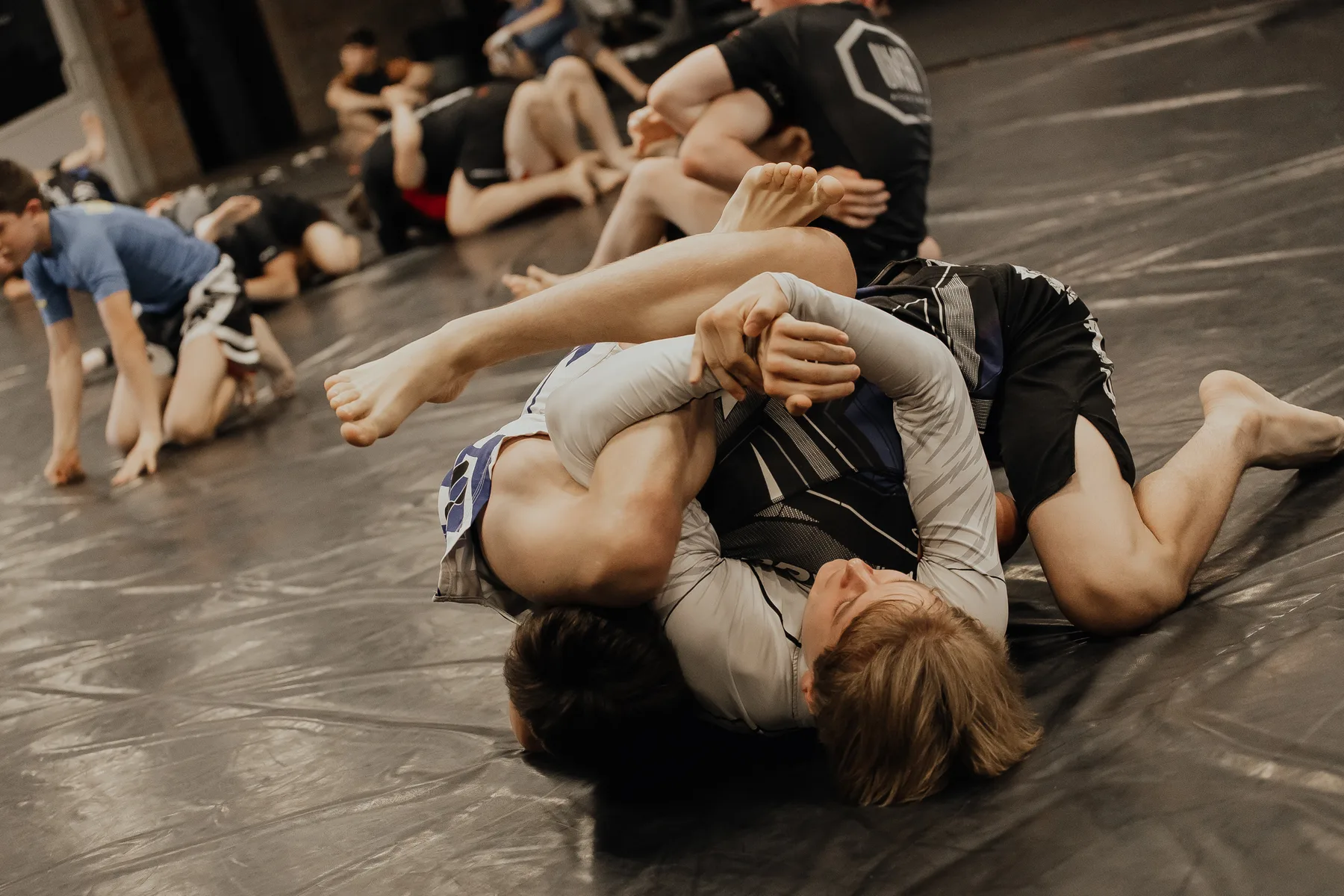
An MMA takedown chain is a decision map, not a rapid collection of unrelated techniques. The first attack asks a question. A sprawl changes the height and exposes an angle; a whizzer changes shoulder alignment; a widened base makes a trip or knee tap more available; retreat can carry the exchange to the fence. The attacker should know which signal unlocks the second action. A compact chain can begin with one leg attack, connect to a body lock when the hips leave, use a trip when the feet widen, and finish with a controlled mat return if the opponent stands against the cage. The chain also needs an exit. When head position, grips or posture are lost, returning safely to stance is better than hanging underneath a failed shot. Train connection between positions before adding speed. Each transition should preserve head safety, hand function and awareness of strikes and submissions. The finished takedown must lead to stable top offense rather than an uncontrolled fall into guard or a reversal. Use progressive resistance, padded surfaces and a coach who controls strike intensity, lifts and returns. No partner should be dropped to prove that a chain works. Rules and judging differ across events, so do not invent a point value for a takedown or assume control alone decides a round; verify the governing official criteria. This page develops the chain after a wrestling entry. A separate strike-to-takedown guide handles how the first opening is created.
01
What to understand
Make the first attack diagnostic
Use an entry that can reveal hip direction, shoulder pressure and foot placement without committing the entire body to one finish.
Name the defensive signal
Connect each branch to something visible or felt: sprawl, whizzer, square hips, posted foot, retreat or cage contact. Vague reactions produce late decisions.
Preserve one connection
When changing attacks, keep useful head, arm, hip or leg control. Fully disconnecting makes the athlete win a new entry instead of continuing the chain.
Change direction before adding force
A defense that blocks one line often loads another. Use the opponent’s corrective step to turn, trip or climb rather than driving harder into the block.
Finish or exit from posture
The chain ends with controlled top position or a balanced return to striking range. A tired hold under the hips is not a successful third attack.
02
How to train it
Map 1 · shot to body lock
Begin from a connected leg entry. The defender removes the hips; the attacker keeps head and arm position, climbs to the waist and freezes in balanced clinch.
Map 2 · body lock to trip
The defender widens or posts one foot. The attacker names the reaction, steers the shoulders and completes a low-amplitude trip with controlled descent.
Map 3 · open space to cage
The defender retreats out of the first finish. The attacker preserves safe connection, moves the feet and establishes cage alignment before attempting another takedown.
Map 4 · chain or reset
The coach calls whether the attacker still owns head position and grips. If yes, continue one branch; if no, frame, separate and restore guard.
Map 5 · finish into offense
After a controlled takedown, top must stabilize and show one safe offensive connection while bottom tries to recover. The score depends on position, not impact.
The first attack asks; the defense answers.
Keep one connection while changing direction.
Feet follow the new line before force follows.
The cage is a branch, not the original plan every time.
Lost posture means reset, not desperation.
03
Common mistakes
Memorizing three moves without signals
The athlete changes attacks by schedule instead of reaction and arrives late. Attach every transition to a specific defensive shape.
Dropping every connection
A complete release returns both athletes to neutral while the attacker remains low. Preserve one useful tie or exit immediately.
Driving a blocked line
More effort against aligned defense drains posture and exposes counters. Change angle, climb or attack the corrective step.
Practicing uncontrolled returns
A successful chain does not require dropping a partner. Reduce amplitude, guide the descent and stop when the landing cannot be controlled.
04
Questions athletes ask
01 · How many attacks should an MMA takedown chain have?
Start with two or three connected branches and a reset. Depth comes from recognizing reactions reliably, not collecting a long sequence.
02 · Should every chain end at the cage?
No. The cage is one outcome of retreat. Open-space finishes and safe disengagement remain necessary when the opponent’s movement creates another answer.
03 · What if I lose head position during the chain?
Treat that as a safety and control signal. Rebuild posture and inside position or exit; do not continue underneath solely to preserve the sequence.
04 · Do takedowns automatically win MMA rounds?
Do not assume so. Governing criteria compare effective offense under the event’s current rules. Verify the official document and train the takedown to produce meaningful follow-up.
05
Sources and further reading
Training needs vary by athlete, schedule and coaching environment. Use these sources as context, then adapt with qualified support. Educational content for athletes and coaches. This guide does not diagnose injury, replace individualized coaching or override event rules. Stop if an activity causes pain, and use an appropriately qualified coach or healthcare professional for your situation.