
The direct answer
Understand what judges reward before building combinations that end in visible, effective offense.
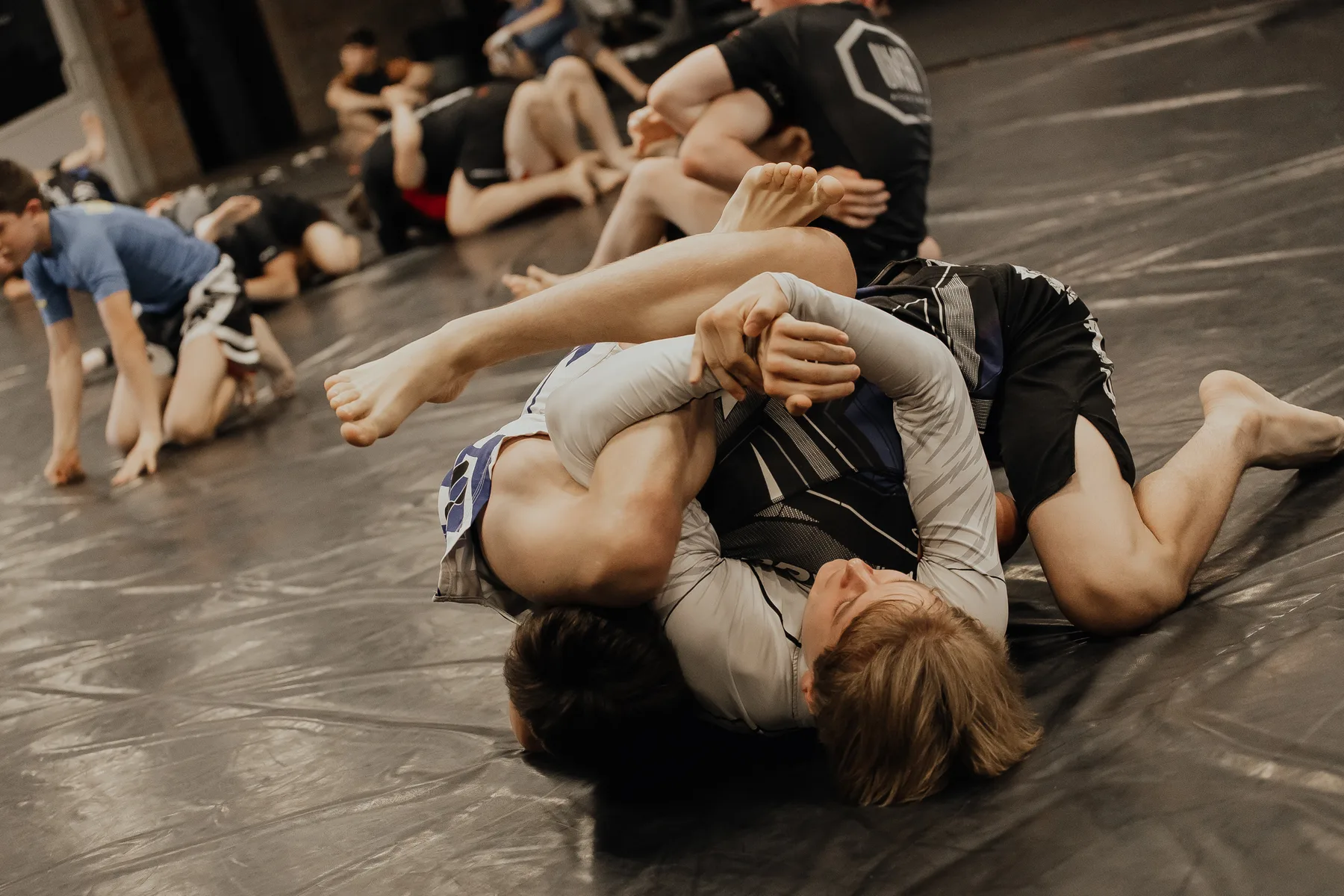
Top control after an MMA takedown begins before impact. The attacker should direct the landing, know where the opponent’s hips and hands will be, and arrive with a base that can survive the first escape. The immediate order is stabilize, read, then attack. Stabilization does not mean holding without purpose. It means keeping posture, controlling a hip or shoulder line, protecting against submissions and preventing the bottom athlete from turning directly into a stand-up. The read identifies the next threat: closed guard, an underhook, a wall walk, a wrestle-up, back exposure or a submission attempt. Offense follows that information. A safe touch strike can make a frame move; pressure can clear a knee line; a wrist ride can limit the post; a pass can create a more useful striking angle. Hands should not abandon base and submission safety merely to appear busy. Train the first ten seconds after the takedown as a dedicated phase. Use controlled landings, agreed strike targets and positional rounds where the bottom athlete has a real escape objective. No uncontrolled ground-and-pound, head impacts or slams are needed. The coach should set contact, equipment and stopping rules. Judging criteria differ by jurisdiction and event, so do not assume that a takedown or passive top position has a fixed scoring value; consult the current official criteria and build visibly effective offense. This guide starts after the finish, avoiding overlap with entry and takedown-chain pages.
01
What to understand
Direct the landing into base
Maintain enough connection to know where the hips, shoulders and hands land. Arrive with knees, feet and posture ready for movement rather than falling chest-first.
Stabilize without becoming static
Control one major line and keep the head safe while observing the escape. Stability is a platform for the next action, not an excuse to stop working.
Read the bottom athlete’s first project
Identify whether the opponent builds frames, closes guard, turns to the fence, reaches an underhook or attacks a submission. Each project requires a different answer.
Make offense improve position
Use touch strikes, rides and pressure to remove frames or open passing lanes. Activity should create a positional advantage rather than trade balance for volume.
Block the stand-up chain
Control the post, hip line or facing direction before the opponent builds height. If the stand-up wins, reset safely rather than chasing with poor posture.
02
How to train it
Phase 1 · land and freeze
Complete low-amplitude takedowns and pause at impact. Coach checks head, hand, knee and hip position before either athlete continues.
Phase 2 · identify first threat
Bottom chooses guard closure, underhook, frame or stand-up. Top names the project and applies the matching control without strikes.
Phase 3 · touch strike to position
Top may use one defined touch target to move a frame, then must pass, ride or settle. Random volume does not score the training round.
Phase 4 · wall-walk denial
Near a padded boundary, bottom moves hips toward the wall. Top controls the post or turns the hips while preserving safe striking posture.
Phase 5 · ten-second contest
Start at the takedown landing. Top scores by producing stable effective offense; bottom scores by guard recovery, reversal or safe standing.
Land in a base, not in a celebration.
Stabilize, read, then attack.
Control one major line before freeing a hand.
Offense should remove a frame or open a lane.
The first escape project tells you the next control.
03
Common mistakes
Falling past the hips
Momentum carries the attacker out of base and gives the bottom athlete a reversal or guard angle. Guide the descent and stop the body over usable supports.
Punching before controlling posture
Freeing both hands too early exposes sweeps, submissions and stand-ups. Establish a line of control before adding touch offense.
Holding closed guard without a plan
Static posture can be broken while the bottom athlete builds attacks. Organize head and elbows, address grips and begin a safe opening route.
Chasing a completed stand-up
Reaching from poor posture can expose the head and back. Restore stance and inside position, then re-enter on a clean signal.
04
Questions athletes ask
01 · How long should I stabilize after a takedown?
There is no universal training count. Stabilize until base, posture and one control line can survive the first realistic escape, then progress.
02 · Should top control prioritize strikes or passing?
Use the opponent’s frames and posture to decide. A strike may open the pass, and a pass may create safer offense; neither should abandon control.
03 · Does holding someone down score in MMA?
Do not rely on a generic answer. Official judging criteria vary by governing body and event. Train control to produce clearly effective offense.
04 · How can ground strikes be drilled safely?
Use agreed touch targets, suitable protective equipment, controlled posture and immediate stops under qualified coaching. Hard impact is not required to test decisions.
05
Sources and further reading
Training needs vary by athlete, schedule and coaching environment. Use these sources as context, then adapt with qualified support. Educational content for athletes and coaches. This guide does not diagnose injury, replace individualized coaching or override event rules. Stop if an activity causes pain, and use an appropriately qualified coach or healthcare professional for your situation.