
The direct answer
Understand what judges reward before building combinations that end in visible, effective offense.
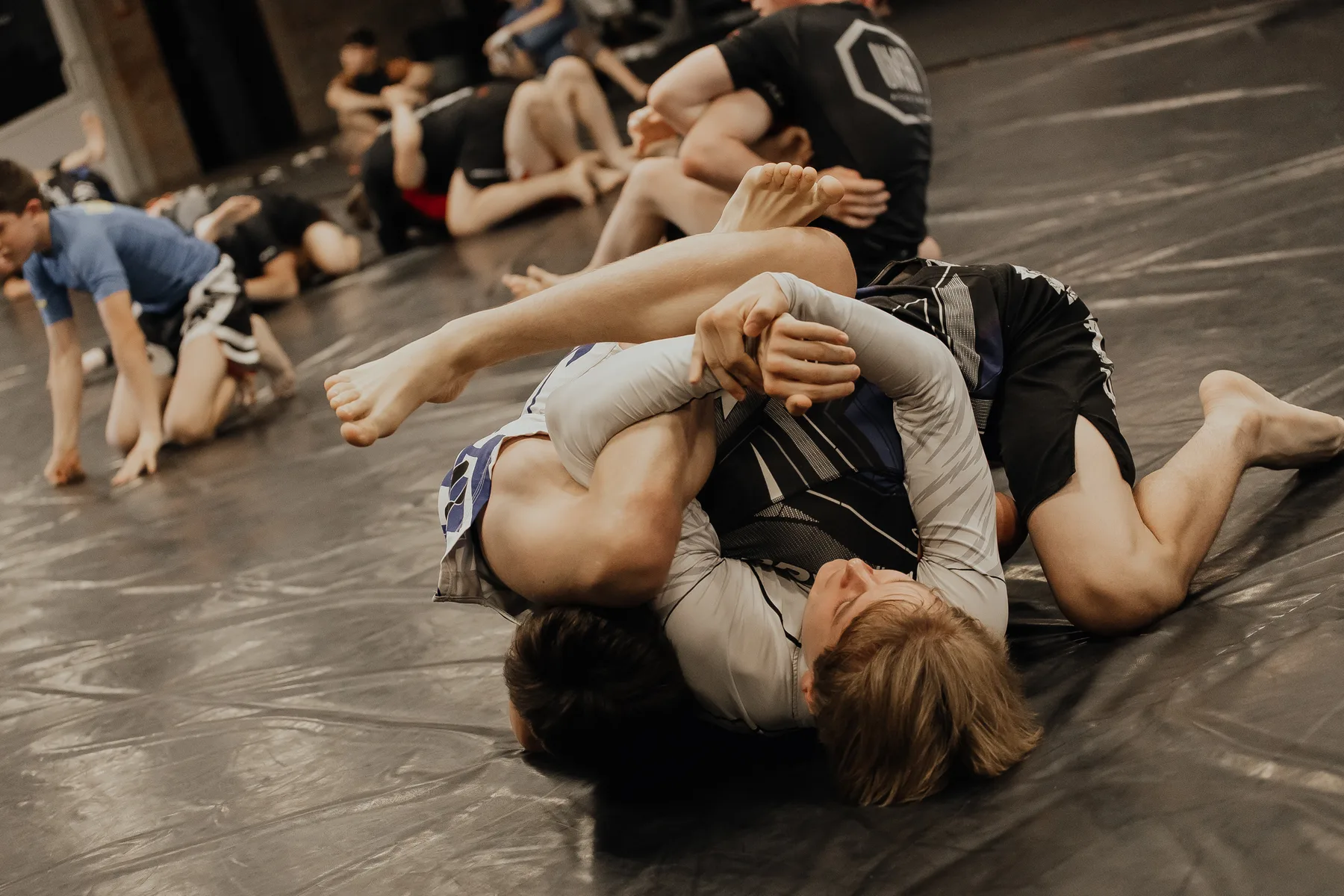
Useful MMA wrestling drills preserve the decisions that make wrestling work under strikes. A drill should define the starting range, the information each athlete can use, the resistance allowed and the condition that ends the repetition. Begin with position recognition and first contact, then add one reaction, a second choice and finally limited live work. The ladder can move from strike-feint entry recognition to underhook position, from a defended shot to body connection, from cage alignment to a controlled finish, and from the landing to top offense or a get-up. Each stage should solve one bottleneck instead of exhausting athletes with random circuits. Score quality: safe head position, connected hips, balanced feet, a correct reaction and a controlled landing. Do not reward simply touching the legs or holding the fence position without progress. Alternate attacker and defender roles so athletes understand both sides of the problem. Touch strikes can reveal posture once the movement is reliable, but contact must be agreed and supervised. Use suitable mats, padded boundaries and immediate stops for unsafe alignment, pain, loss of control or equipment problems. No uncontrolled knees, slams or ground strikes belong in technical learning. Match rules and legal actions vary, so the coach should anchor any rule-specific constraint in the current official event document without inventing scores. This page is a practice architecture, not another technique catalogue: coaches can insert their existing system while preserving representative decisions.
01
What to understand
Define one learning problem
Choose entry timing, inside position, cage turn, finish, defense or post-landing control. Mixing every phase at once makes feedback vague and repetitions rare.
Make resistance representative
The partner should protect realistic lines and give authentic reactions at a manageable intensity. Cooperative collapse and chaotic maximum effort teach equally little.
Add choices one at a time
After one response is stable, allow the defender a second. The attacker must read the signal rather than repeat the same answer faster.
Use a meaningful score condition
Award the repetition for stable position, safe exit or effective continuation. A shallow leg touch or brief fence pin does not prove the skill.
Rotate both sides of the exchange
An attacker improves by feeling good defense, and a defender improves by understanding the chain. Equal role exposure sharpens timing and communication.
02
How to train it
Rung 1 · recognize range
Partners move with touch feints. One athlete calls strike, shot, clinch or reset distance and must keep stance while making the correct first step.
Rung 2 · first-contact game
Start at entry range. Attacker scores inside head-and-hand position; defender scores a frame and angle. No takedowns are allowed.
Rung 3 · one reaction chain
Defender gives a known sprawl, whizzer or wide base. Attacker performs the matched transition and freezes before the finish for a posture check.
Rung 4 · cage finish or escape
At a padded boundary, attacker scores a controlled finish into top; defender scores a square escape or stable turn. Add only one allowed re-attack.
Rung 5 · first ten seconds
Begin from a realistic entry and continue through takedown, top control or get-up for ten seconds with touch strikes and clearly defined stopping rules.
One drill, one bottleneck, one score condition.
Resistance should reveal, not erase, the decision.
Add a reaction before adding speed.
Score stable outcomes, not hopeful touches.
Train the defender as seriously as the attacker.
03
Common mistakes
Turning drills into conditioning
Fatigue can hide whether timing and alignment improved. Keep work periods short enough to preserve the target decision and condition elsewhere deliberately.
Giving the partner no real role
A passive partner creates false openings. Define posture, reaction and resistance so both athletes learn something measurable.
Adding every legal action immediately
Too many options reduce useful repetitions for developing athletes. Open the game gradually as recognition and safety improve.
Keeping unsafe momentum
A drill is not live competition. Stop when a head, joint or landing cannot be controlled, reset and preserve the learning relationship.
04
Questions athletes ask
01 · What are the best MMA wrestling drills?
The best drill targets the athlete’s current bottleneck with realistic information, manageable resistance and a clear score condition. No universal list replaces diagnosis.
02 · Should wrestling drills include strikes?
Eventually, yes, when strikes change the relevant posture or decision. Begin with touch targets and qualified supervision rather than adding hard impact.
03 · How long should each drill last?
Use a duration that preserves accurate choices and controlled landings. End or rotate when fatigue changes the task into a different problem.
04 · Can one drill train offense and defense?
Yes when each role has a legitimate objective and score condition. Rotate roles frequently and coach both solutions, not only the takedown.
05
Sources and further reading
Training needs vary by athlete, schedule and coaching environment. Use these sources as context, then adapt with qualified support. Educational content for athletes and coaches. This guide does not diagnose injury, replace individualized coaching or override event rules. Stop if an activity causes pain, and use an appropriately qualified coach or healthcare professional for your situation.