
Hip escape: move the hips, not only the shoulders
Lie on a suitable mat with knees bent, turn onto one side and use the planted foot to move the hips away from the starting line. Keep the arms in a compact frame shape. Notice whether the pelvis actually travels; sliding the shoulders while the hips remain in place misses the movement this drill is meant to rehearse.
Return a knee toward the space you created and reset. Practice both directions separately before linking them. A useful marker is the distance between the hip and a floor line, not how quickly you travel across the room. With a partner, the same movement still needs frames and an available gap; the solo version cannot supply either.
Shoulder bridge: direct the hips without loading the neck
From your back, plant the feet comfortably close to the hips and lift the pelvis with support through the feet and upper back. Begin with a small controlled lift. For a turning version, direct the hips diagonally toward one shoulder while keeping the head relaxed. The neck is not the support point and does not drive the movement.
Lower deliberately and compare directions. This rehearses lifting and redirecting your own body, not completing a mount escape. Against another person, a bridge-and-roll also depends on restricting the supports on the chosen side. A high solo bridge does not prove that you have solved that positional problem.
Technical stand-up: keep a stable diagonal support
From sitting, place one hand behind you and the opposite foot on the floor. Keep the free hand available in front. Lift the hips enough to draw the free leg backward underneath you, place that foot behind and rise with balance. Start slowly, checking that the supporting hand does not slide and the planted knee stays comfortable.
The check is whether you can pause during the transition without collapsing or crossing your feet awkwardly. Rehearse both sides. In live grappling, distance and hand control determine whether standing is available. The drill organizes your supports; it does not establish that standing up is always the right decision.
Seated turn: keep facing the imaginary partner
Sit with knees comfortably bent and mark a target in front. Use small foot and hand adjustments to turn the hips, then restore the knees toward the target. Change the target’s direction rather than forcing the knees through a fixed range. The aim is a controlled change of orientation, not a stretching contest.
Put the drills together without turning them into a test
Choose two movements relevant to the next class. Rehearse a few unhurried attempts, note one detail and repeat only while the movement stays clear. NSCA warm-up guidance supports preparation matched to the activity; this sequence is an editorial practice example, not its prescribed BJJ program. It can prepare movement without exhausting you before partner work.
Use adequate floor space and a suitable nonslip surface. Leave neck bridges, forceful inversions and unfamiliar falling drills out of an unsupervised routine. Stop for pain or dizziness and obtain individual advice where needed. Bring one uncertain movement to class so the instructor can connect the solo shape to its actual positional purpose.
Explore the video library
Published lessons in this training category, ready for your next session. Watch them all with your school membership.
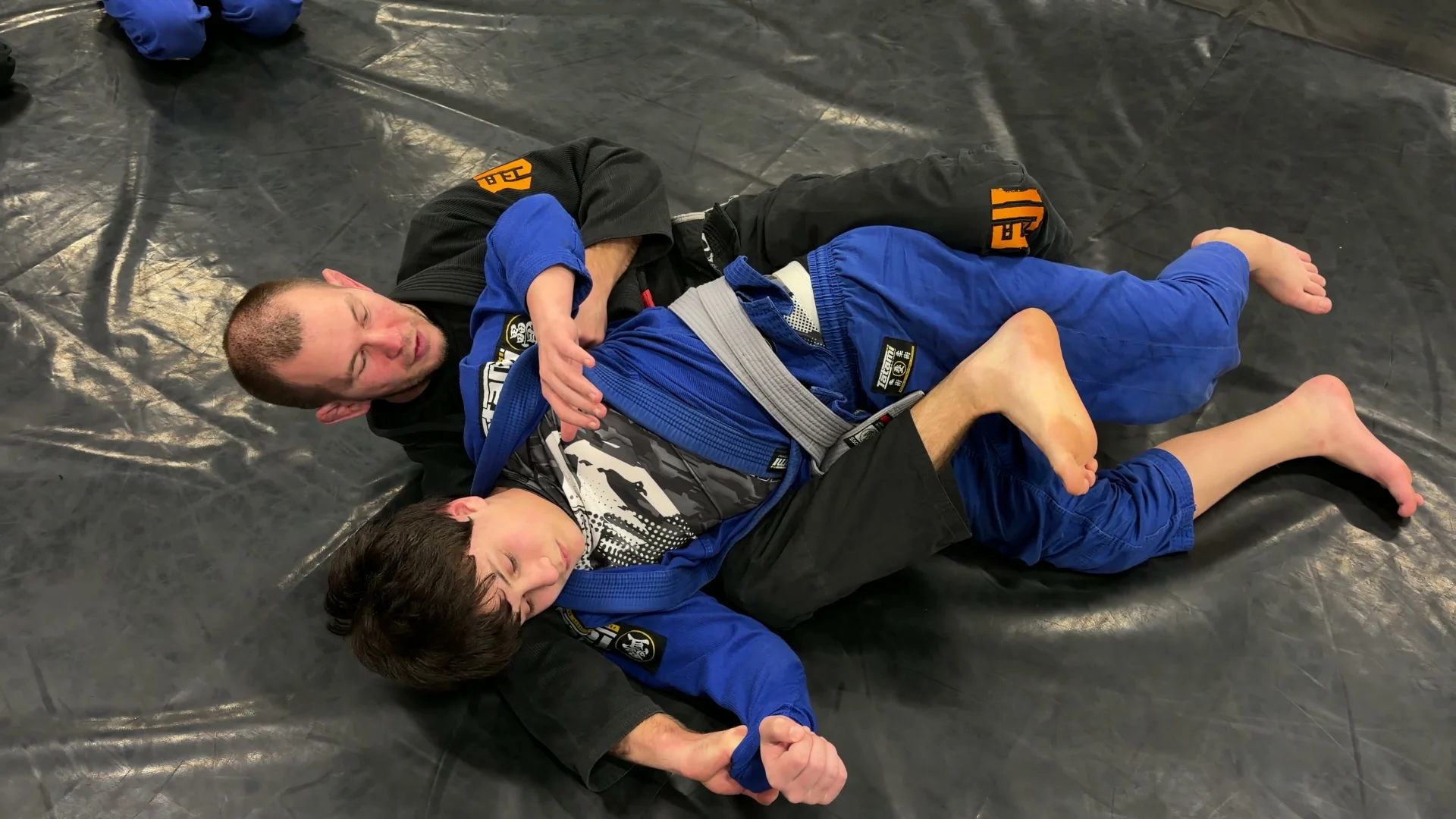 Closed Guard Arm Drag: Back TakeYaroslav Blazhko
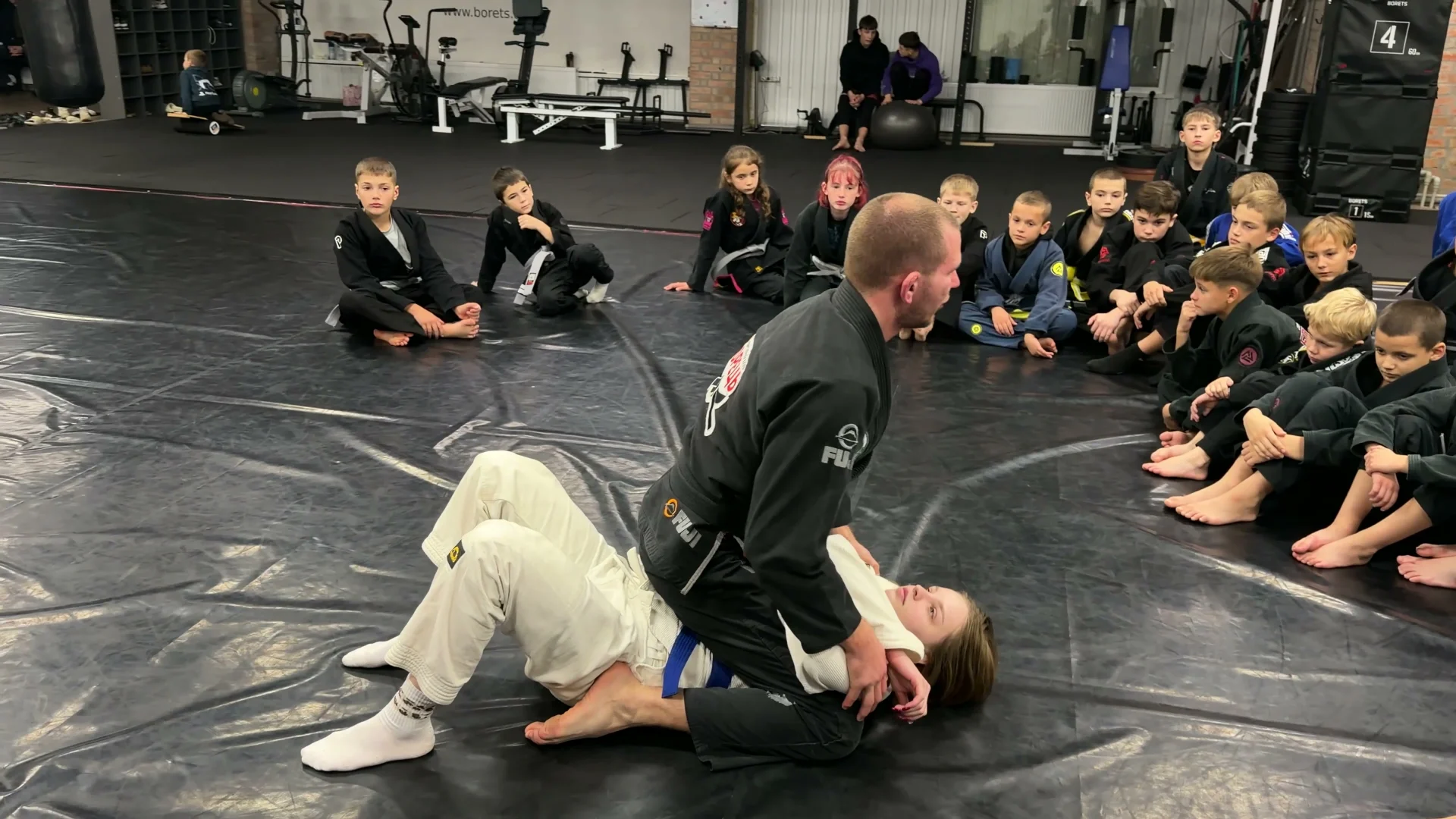 Closed Guard Arm Drag: Sweep to MountYaroslav Blazhko
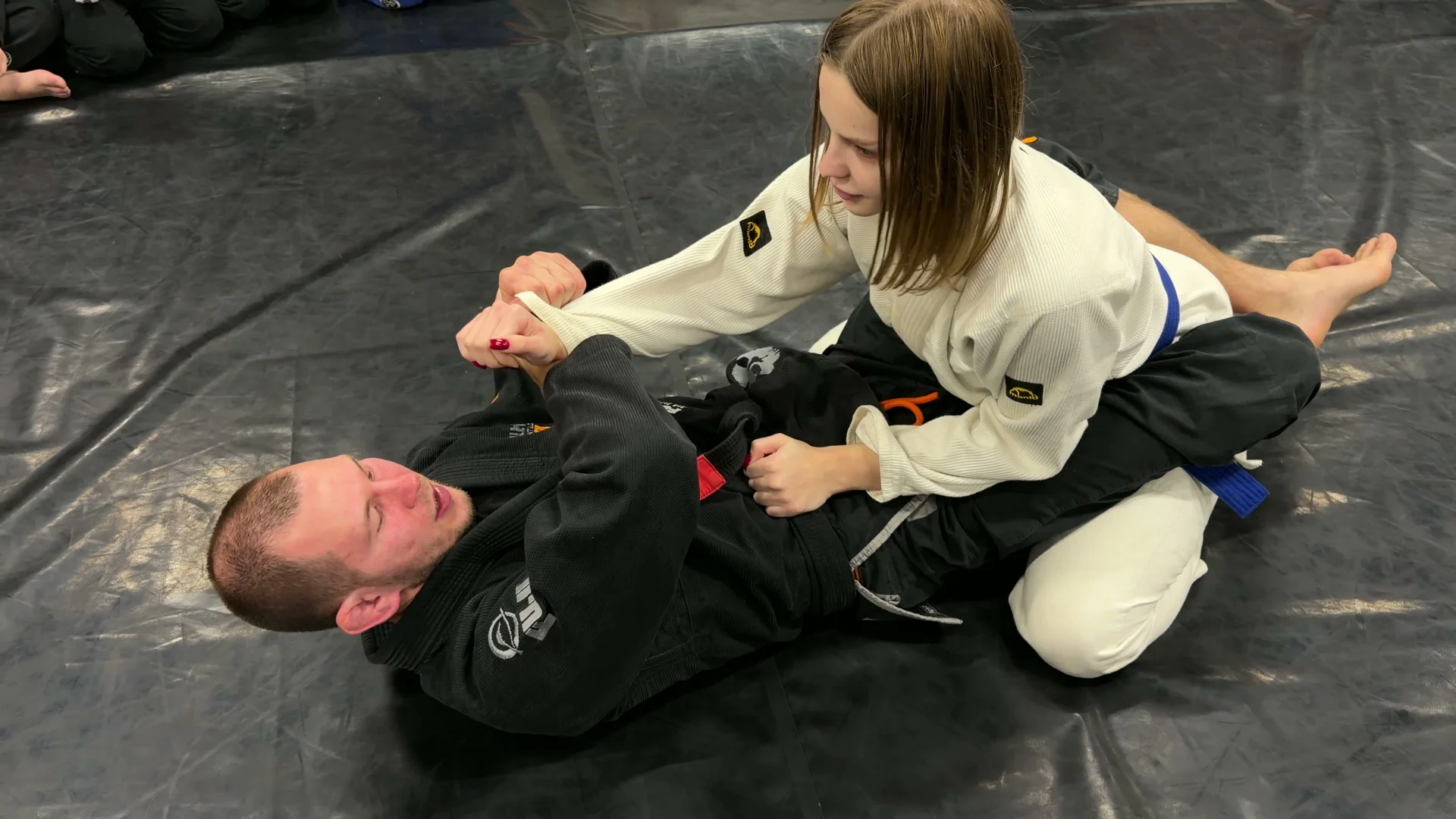 Breaking Grips from Closed GuardYaroslav Blazhko
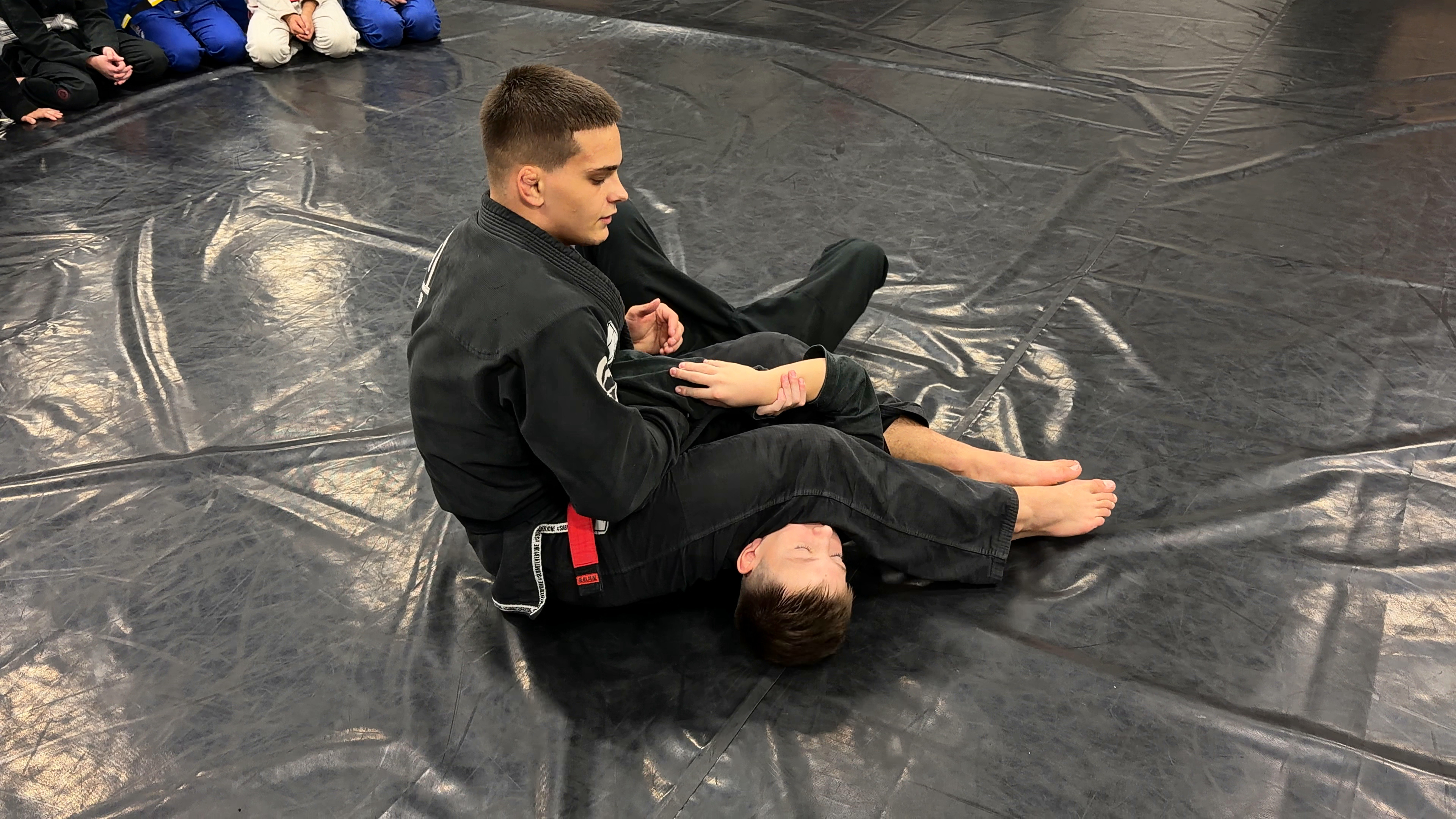 Armbar from Knee on BellySanya Oliinyk
Build a more complete grappling game.
Learn from the team that developed homegrown black belts and an adult ADCC Trials finalist at 16.
One membership unlocks every published lesson in sambo, BJJ, freestyle wrestling, strength and conditioning, and mental preparation. Pick your focus, study the details and take them into your next session.
1,340 UAH / month · 13,400 UAH / year
Payments are charged in Ukrainian hryvnia (UAH). Your bank determines the conversion to your currency.
Continue reading
- What Is Grappling? BJJ, Wrestling and Sambo ExplainedUnderstand grappling, takedowns, ground control and submissions, and how BJJ, wrestling and sambo differ. A practical introduction for your first class.
- BJJ positions: a practical map of guard, pins and escapesUnderstand the main BJJ positions, what each athlete is trying to control, and how to connect guard, side control, mount and back control in training.
- Back Control Escape: Defend the Rear Naked Choke and Get OutHow to escape back control in BJJ: hand fighting against the rear naked choke, which hook to clear first, breaking the seat belt and the moment to turn in and face them.
- Omoplata in BJJ: Shoulder Control, Entries and SweepsUnderstand the omoplata position, shoulder control, common entries and the transition to a sweep when an opponent rolls. Learn what to check before finishing.