
Describe the moment you want to change
‘I need more confidence’ is difficult to practice. ‘After my first attack fails, I stand still and let the opponent take the next grip’ gives you a situation to examine. Ask your coach whether the problem is recognizing the position, selecting an action, carrying out a known action under pressure, or recovering physically. Calling every difficulty a mindset problem can hide a technical gap.
Use a recent round as your starting point. Identify the position, the opponent's response and your next movement. In sambo, this might be the landing after an unsuccessful throw. In BJJ, it might be the moment a pass is stopped. In wrestling, it might be your response after an opponent clears your tie.
Choose a cue that points to an action
A short cue should remind you of a response you already understand. ‘Find my stance’ or ‘Recover inside position’ can be more useful than a demand to be fearless. The Association for Applied Sport Psychology recommends cue statements that are brief, personally meaningful and practiced ahead of competition.
Agree on the meaning with your coach. A cue is not a substitute for learning the movement. Test it during a controlled drill: when the starting attack stops, can you recognize the position and begin the agreed response? Change the wording if it causes you to rush or think about too many details.
Practice the reset inside an ordinary session
Here is a coaching exercise to discuss with your instructor. Begin from a familiar position with one clear objective. When the partner stops the first attempt, use the cue and return to a workable position before continuing. The partner's job is to create the agreed problem, not to overwhelm you with unrelated attacks.
Review the decision afterward: did you notice the change, did the cue make sense, and did you take the next action? Add uncertainty only when the task is understood. You do not need punishment rounds or an exhausted athlete to begin practicing attention.
Change the task for the athlete's stage
For a young child, keep the instruction concrete: listen for the stop signal, return to the starting position, or ask when something is unclear. A teenager can help choose a cue and explain what happens under pressure. An adult beginner may need permission to slow down and solve one problem without comparing their progress with experienced teammates.
Experienced competitors can review more complex choices, such as responding to the score or switching attacks after an opponent's defensive reaction. In combat sambo, prepare those decisions with the coach responsible for the full ruleset; a grappling example does not cover the decisions created by strikes.
Bring a precise moment to your coach
After practice, record one useful action and one point to revisit. A loss does not tell you that every decision was poor, and a win does not explain which decisions you can repeat. Film can make this review concrete: identify a timestamp and describe what you believed was happening before asking for an alternative.
BORETS members can send a match video and a focused question to a coach in their private conversation. Create a consultation in your account; the coach can respond in writing, by voice or with a video when useful. Ask about the position and decision you want to improve rather than requesting a judgment about whether you are mentally strong.
Explore the video library
Published lessons in this training category, ready for your next session. Watch them all with your school membership.
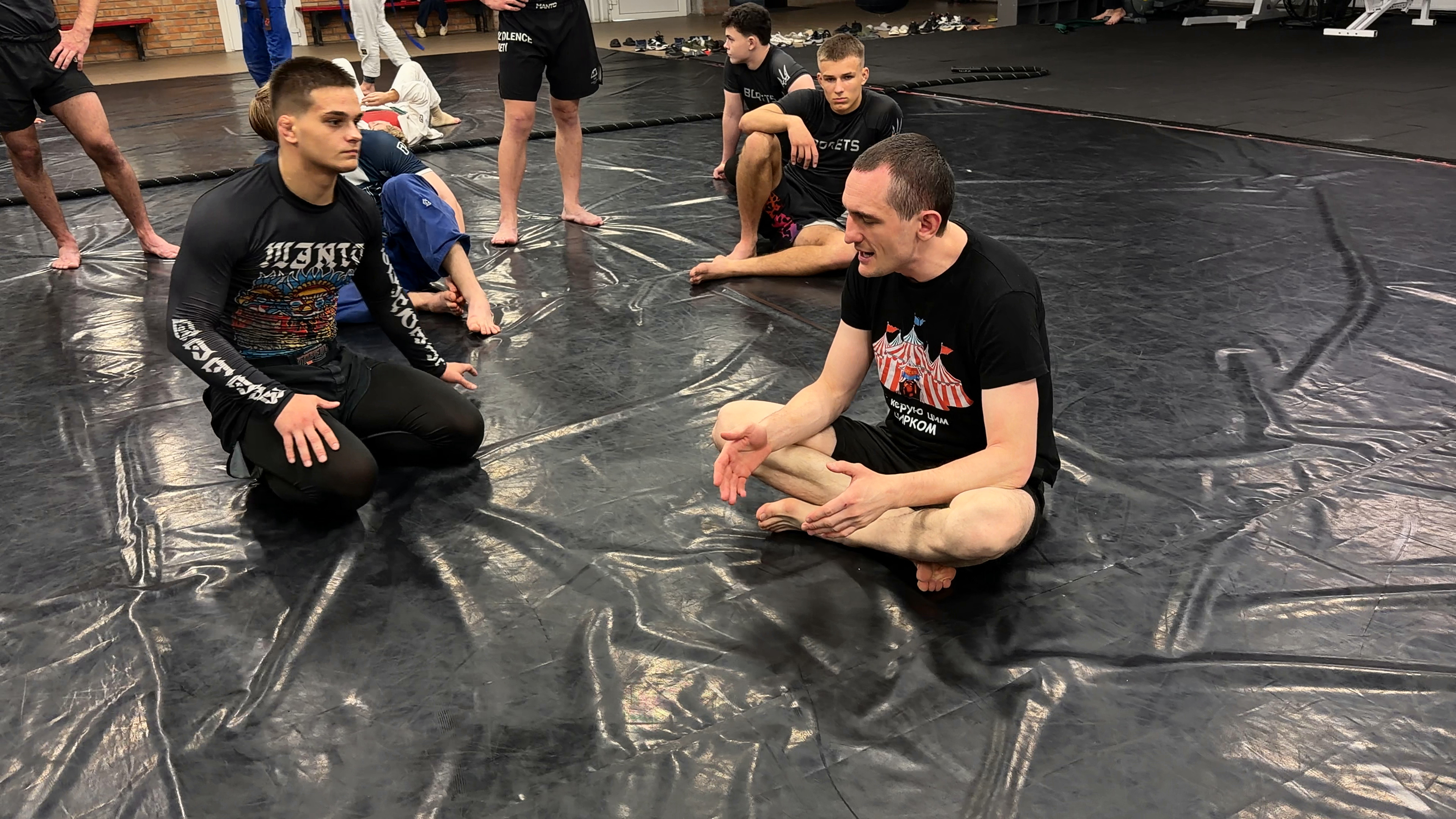 Training with Purpose: Control and SafetyIevgen Skyrda
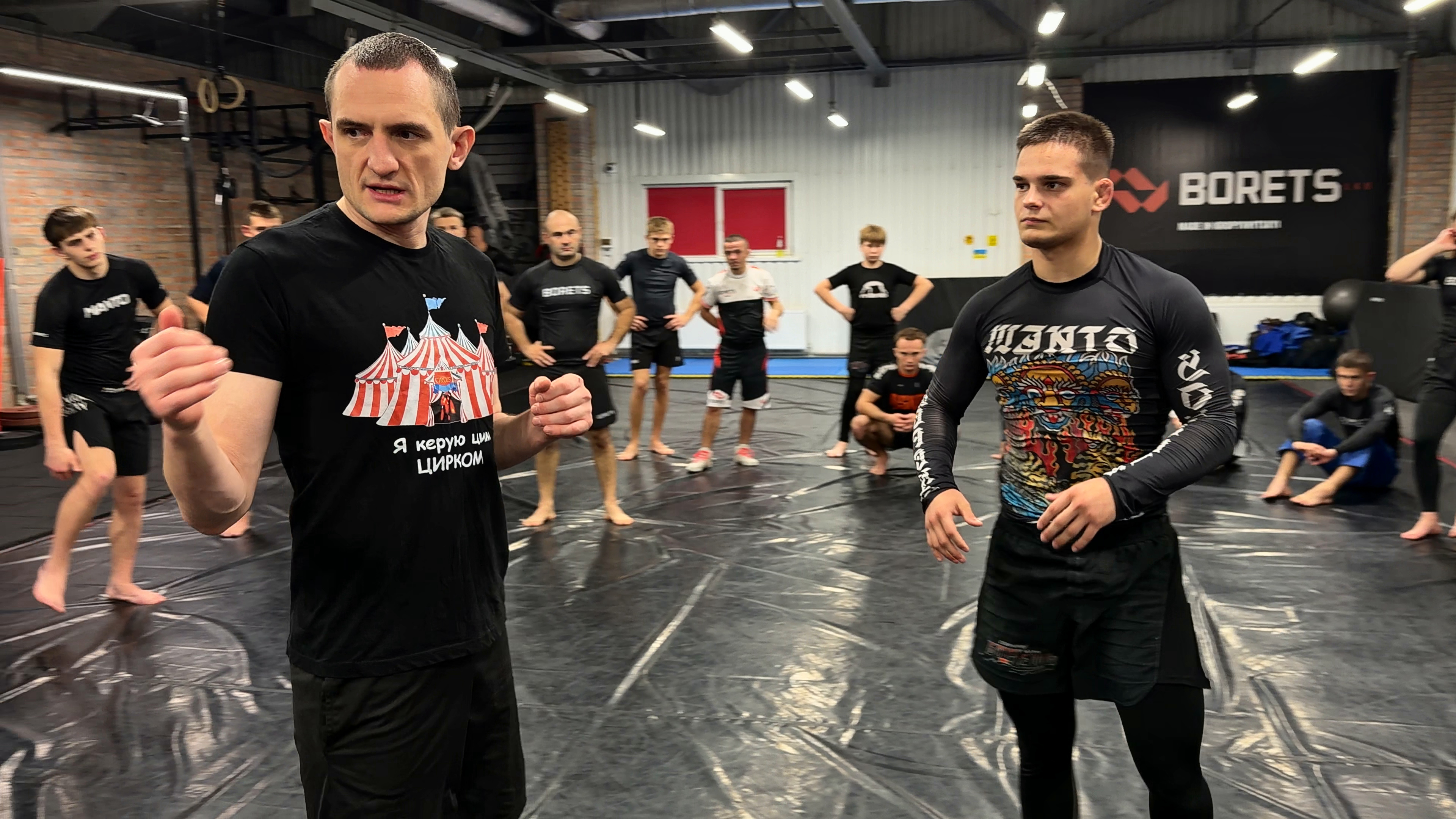 Grappling Mindset: Adapting to the RulesIevgen Skyrda
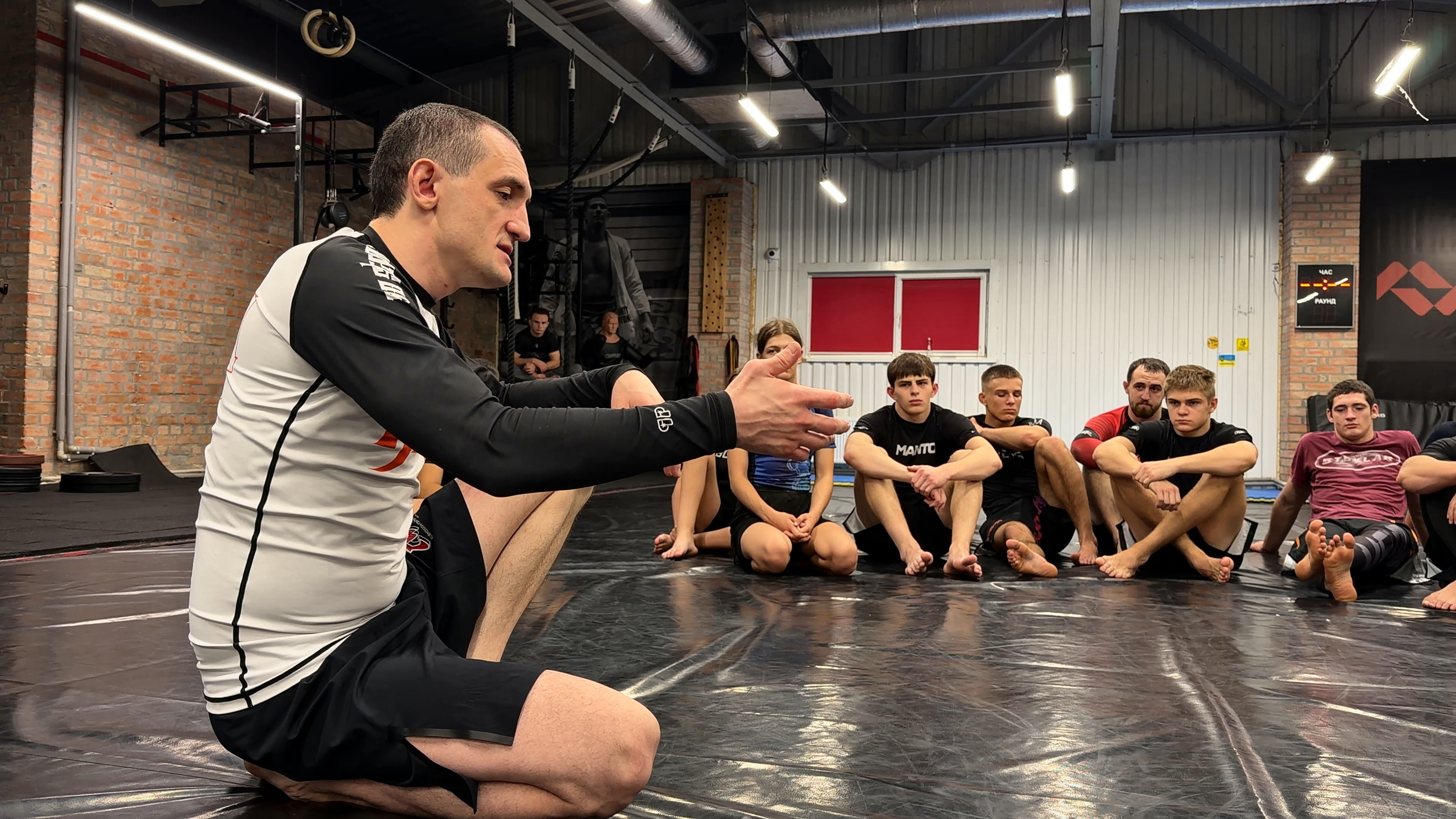 Grappling Mindset: Growth and Enjoying TrainingIevgen Skyrda
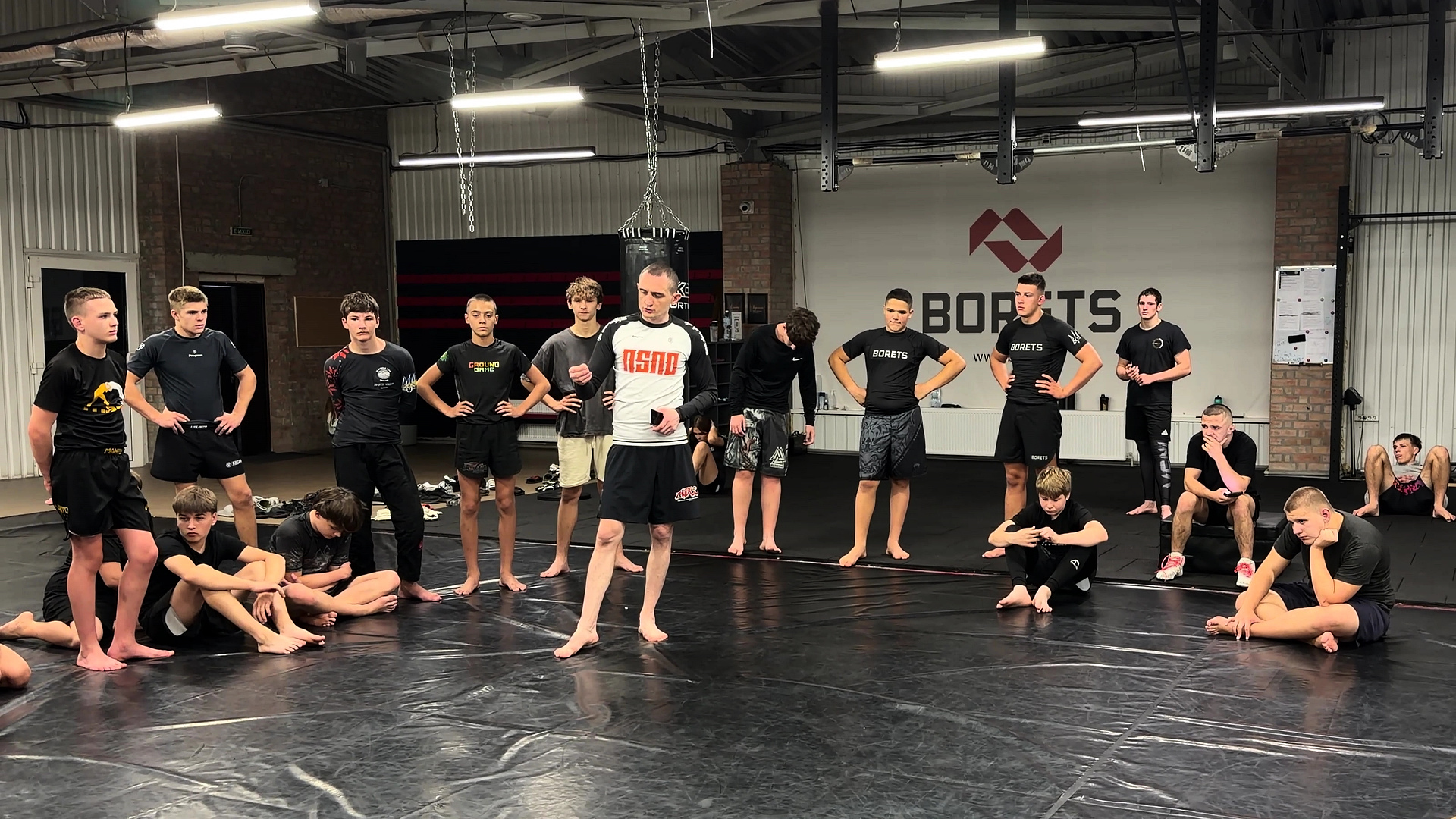 Train for Skill, Not Just the TapIevgen Skyrda
Common questions
Is mental toughness the same as ignoring pain or fear?
No. For training purposes, define the behavior you want: listening, making a decision, recovering after a mistake or asking for help. Ignoring pain, refusing to tap or hiding a problem is not a useful performance target.
Can beginners work on mental skills?
Yes. A beginner can practice one clear instruction, communicate with a partner and review one decision. The task should fit the athlete's understanding; it does not need the pressure or complexity of a professional match.
Build a more complete grappling game.
Learn from the team that developed homegrown black belts and an adult ADCC Trials finalist at 16.
One membership unlocks every published lesson in sambo, BJJ, freestyle wrestling, strength and conditioning, and mental preparation. Pick your focus, study the details and take them into your next session.
1,340 UAH / month · 13,400 UAH / year
Payments are charged in Ukrainian hryvnia (UAH). Your bank determines the conversion to your currency.
Continue reading
- Learn Sambo Online: Lessons, Practice & Coach FeedbackLearn sambo online with BORETS LAB: recorded lessons, Ukrainian Grappling Style, conditioning and a practical way to get feedback on your own training.
- A Pre-Match Routine for Sambo, Wrestling and BJJPrepare for your next grappling match with a flexible routine: warm-up, one tactical cue, a plan for delays and clear roles for coaches and parents.
- Goal Setting for Grapplers: Turn a Match Problem Into a Practice PlanUse clear training goals in sambo, BJJ and wrestling. A practical worksheet connects match video, coach feedback and progress for children and adults.
- Competition Anxiety in Young Athletes: A Guide for Grappling ParentsHelp a young sambo, BJJ or wrestling athlete explain competition nerves, agree on support and build a manageable next step with their coach.