 BORETS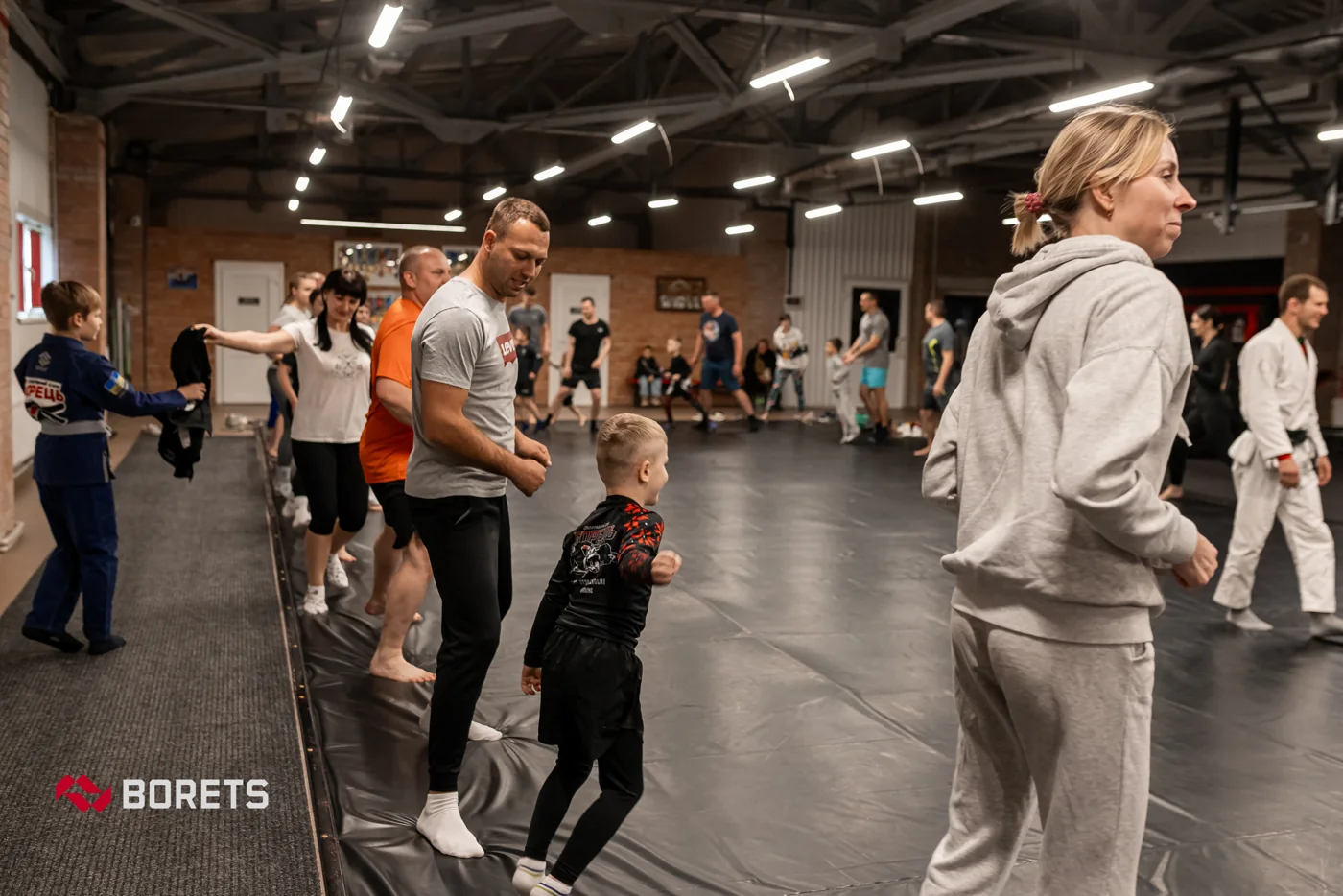
In this guide
A child can be ready for wrestling games before being ready for a full match. That distinction makes the starting-age question more useful. Instead of asking only when a club accepts children, look at what its youngest beginners actually do and how they progress from moving alone to working with a partner.
Starting early is not an entry requirement
USA Wrestling’s guidance on youth myths rejects the idea that a child must begin very young to have a worthwhile future in the sport. Do not turn another child’s experience into a deadline for yours. An older beginner needs an appropriate introduction, not an apology for arriving after their classmates.
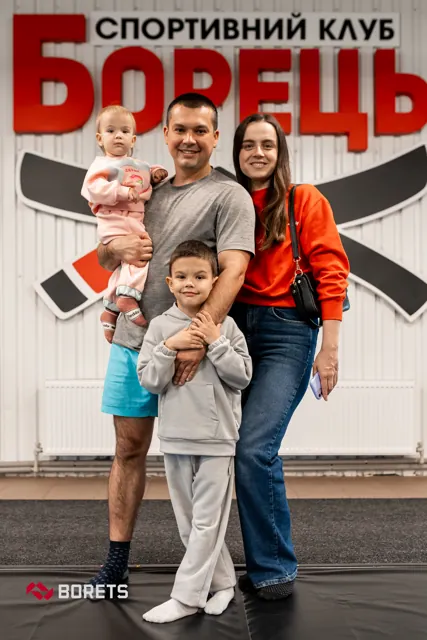
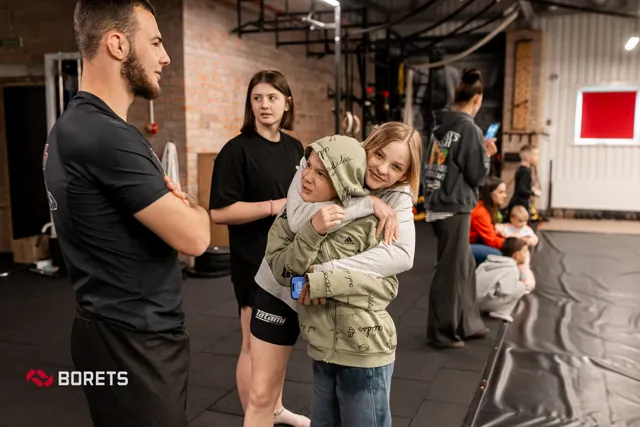
At BORETS, the founder describes working with children from around six to seven years old. That is a local teaching practice, not a rule for every child or every wrestling room. A club accepting a particular age is only the first filter; the group still needs tasks and partners that fit the individual.
See the movement before judging the contact
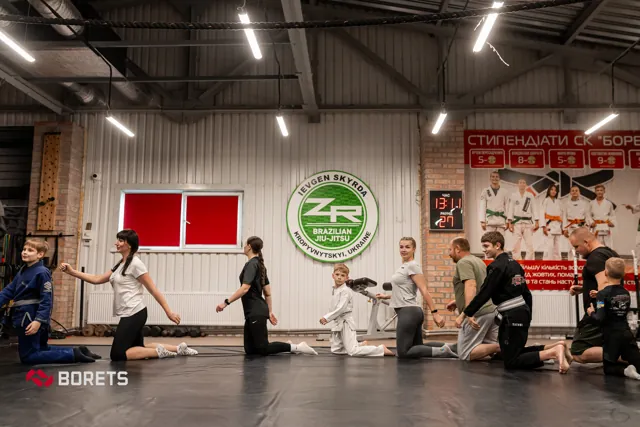
A useful introductory task might ask children to mirror a partner’s steps without touching, stay inside a marked area or change direction on a signal. Watch whether the child can begin, stop and try again. These tasks make the instructor’s expectations visible without requiring the child to win a physical contest.
The next step can introduce an agreed contact and a clear role for each partner. The progression should be understandable from the edge of the mat: first follow the movement, then keep a position, then solve a limited problem. A beginner should not have to infer the rules during an unrestricted scramble.
Partner matching is more than a birthday
Two children of the same age can differ substantially in size, experience and willingness to make contact. Observe whether the instructor adjusts the task when the pairing is uneven. Simply telling the stronger child to be careful is less informative than giving both children a specific, limited job and watching the result.
A child who can control their own movement but freezes when touched may need a smaller contact task. A child who charges through every instruction may need a simpler stop-and-reset game. Neither example requires a permanent label. The practical question is what adjustment allows both partners to learn without being overwhelmed.
Clarify the wrestling style and the first goals
In the United States, a youth wrestling listing may refer to folkstyle, freestyle or a seasonal mix. Freestyle uses takedowns, turns and pins, with leg involvement permitted. The beginner movement base can overlap, but scoring and ground tasks differ between styles. Know which program you are joining before comparing a video to the class.
For the first stage, choose observable goals: recognizing the starting position, releasing at the signal and completing an agreed partner task. A first tournament is a separate decision. A child does not need a match result to show they are learning the room’s routines and beginning to control movement.
Make the next visit informative
After the trial, identify one task your child could explain and one that remained confusing. Use those details to decide what should happen next, rather than judging the session by how tired they look. A shorter or simpler introduction can produce a clearer answer than another full class at the same overwhelming pace.
For a child with a relevant health concern, obtain individual medical advice before contact training; an age chart cannot settle that question. Otherwise, keep the decision concrete: suitable instruction, manageable contact, a clear stop signal and a child who has a reason to return.