 BORETS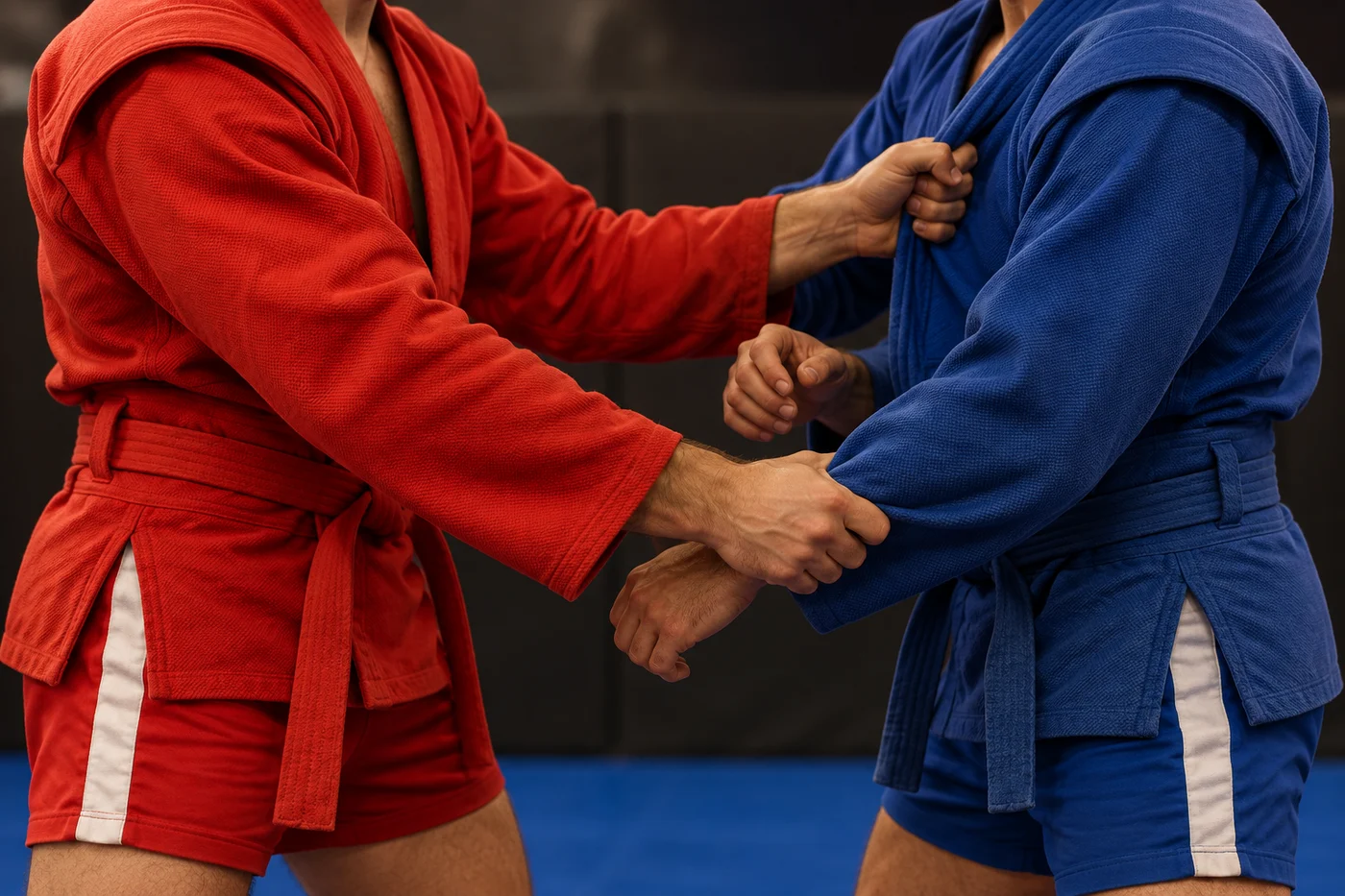
In this guide
Searching “sambo near me” can return a regular class, a gym that occasionally hosts seminars or an old listing. Those are different opportunities. Use an official directory to build a shortlist, then verify what is actually running. Your goal is a place where you can practice consistently with suitable instruction and partners, not simply a business that mentions sambo.
Start with the federation, then the actual club
FIAS lists USA Sambo Inc. as its United States member in the Pan American federation directory. USA Sambo publishes a page of endorsed schools and training centers. These provide a traceable starting point, with links or contact details that can lead to a current club page.
A directory entry is not a live timetable or a guarantee that a particular beginner class still exists. Check the club’s own schedule and contact it before traveling. Keep a short comparison: location, actual sambo session, instructor, beginner availability and whether the class can become part of your ordinary week.
Clarify what the word sambo means on the schedule
Ask whether the session is sport sambo, combat sambo or cross-training within a judo, wrestling or MMA program. Also ask whether it is weekly instruction, an occasional open mat or a visiting seminar. None of these formats should be assumed from the gym’s name or an athlete’s biography.
A concise message can do the job: “I am an adult beginner looking for regular sport-sambo training. Which session accepts beginners, what clothing is needed for a trial, and does the class include standing and ground work?” If your goal is combat sambo, state that explicitly and ask about the actual contact progression.
Use the trial to inspect the teaching
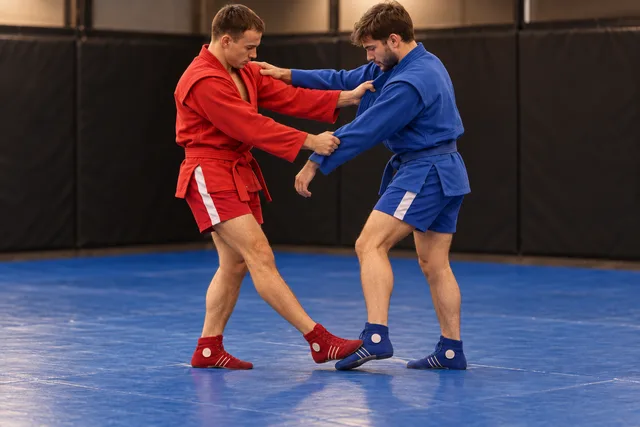
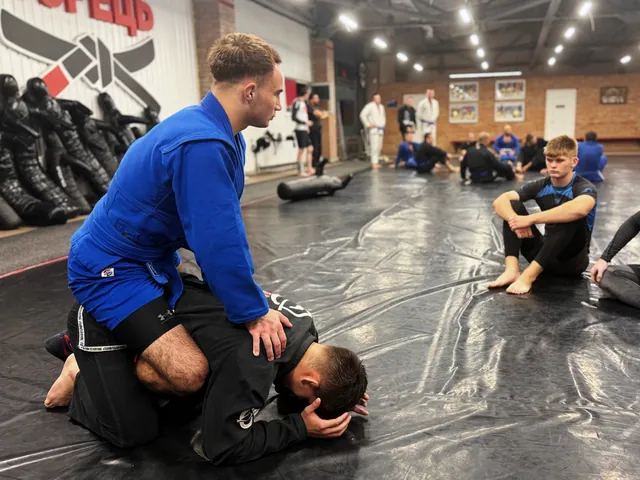
Watch how a new student learns to receive a movement, take a permitted grip and stop a partner task. The useful evidence is an explanation followed by a manageable attempt and feedback. An impressive demonstration without a route for you to practice it is less useful for your first month.
Look at partner matching and the way resistance increases. A session can be demanding while still having clear boundaries. You should know which part of a task is cooperative, which part is contested and when to reset. Those details matter more than how many different throws appear on the wall or website.
If the nearest sambo class is too far away
Separate regular practice from occasional specialist instruction. A nearby judo, wrestling or BJJ group may provide useful partner experience, while a sambo seminar addresses a particular gap. Be honest about the difference: an adjacent sport does not automatically teach sambo’s jacket, shoes, scoring and submission restrictions.
Take one specific question to a visiting instructor rather than expecting a single weekend to create a complete system. For example, ask how your familiar takedown should connect to a sport-sambo landing and legal continuation. Keep notes on the differences and return to a coach-supervised setting to test them.
Treat online material as preparation for the room
An online explanation can help you arrive with vocabulary and a clear question. It cannot verify a local timetable, assess your first falls or provide the reactions of a resisting partner. Use it to organize what you want to learn, then compare that with the instruction and practice actually available nearby.
Choose the option you can return to consistently and reassess it after you have experienced the ordinary classes. Keep the official directory links for future searches rather than copying an unmaintained list of addresses. The best next step is a verified session you can attend, with a clear beginner task and a reliable point of contact.