 BORETS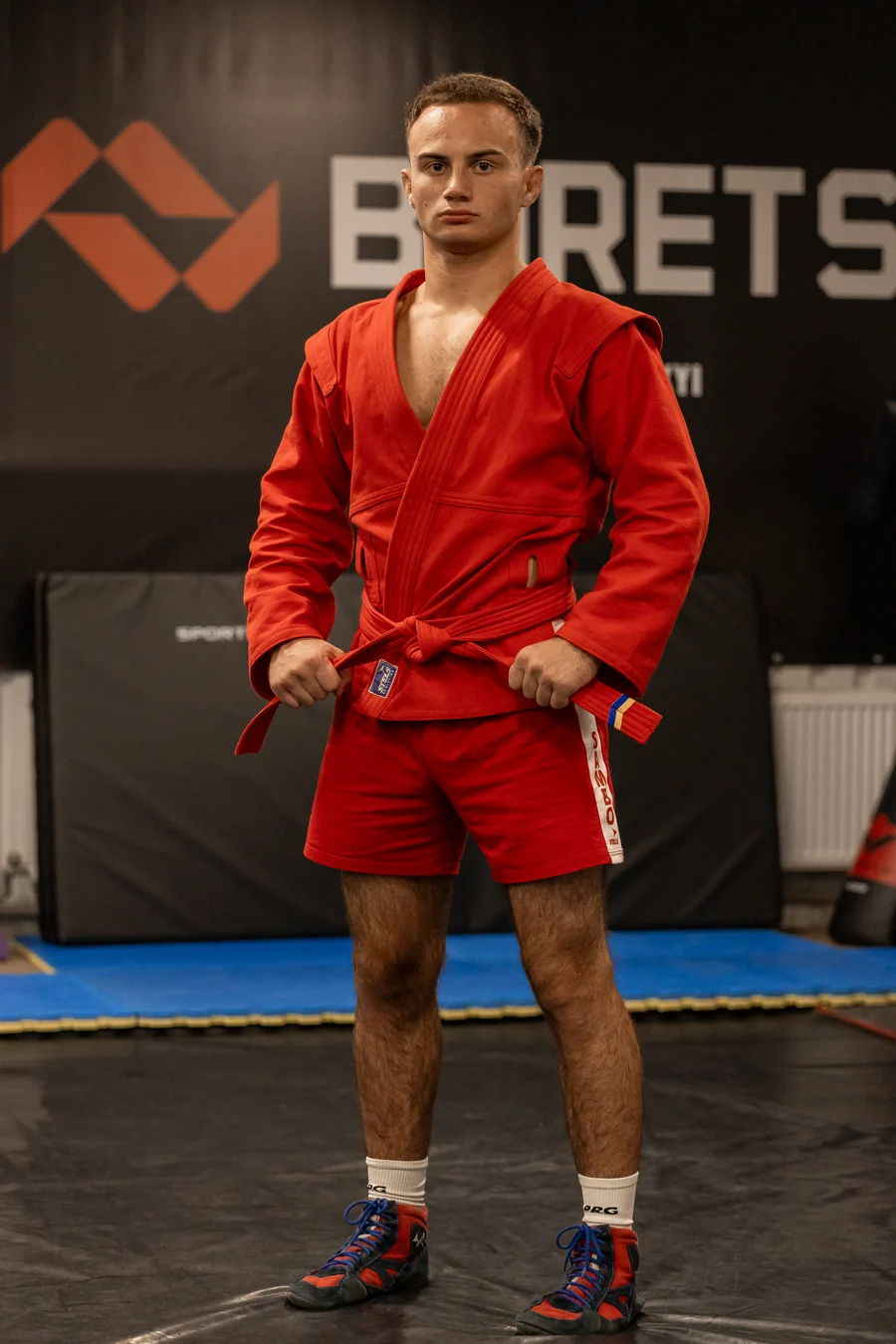
In this guide
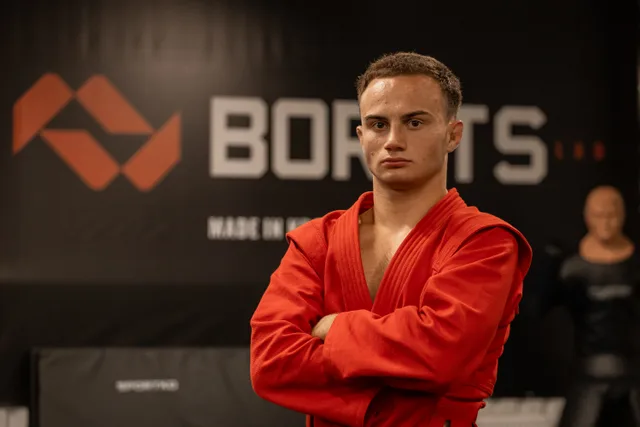
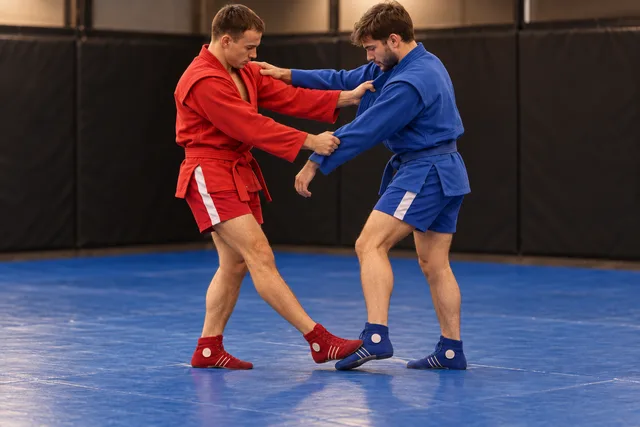
Sambo uses a purpose-built jacket, usually called a kurtka or sambovka, with shorts, a belt and sambo shoes. Buying the correct category of equipment is only the beginning. The useful questions are whether it fits your movement, whether your training group accepts it and whether it meets the rules of the event you intend to enter.
A sambo jacket is not just a shorter BJJ gi
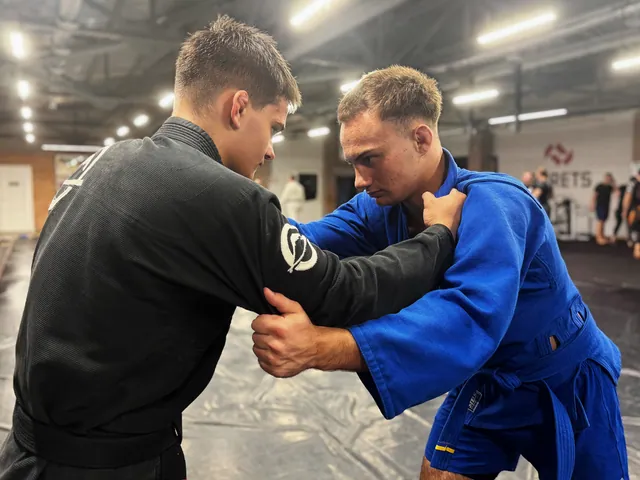
The FIAS manufacturing specification describes a particular jacket construction, including reinforced shoulder areas and belt openings. Those features serve the way the uniform is worn and gripped. A similar-looking judo or BJJ jacket may function for a club-approved introduction, but appearance alone does not establish competition eligibility.
Before ordering, compare the actual garment measurements with clothing you can try. Reach, turn and move into the positions used in practice. A jacket that prevents a normal arm movement or repeatedly shifts around the torso changes the grip task. Do not rely entirely on an adult size letter shared by unrelated brands.
Sambo shoes versus wrestling shoes
Sambo footwear is designed for close-contact grappling, not for running around a gym. FIAS specifies a soft construction without rough protruding elements. Some wrestling shoes may look similar, but differences in construction and an event’s approval requirements matter. Check the model rather than treating every shoe labeled “wrestling” as an automatic substitute.
Try both feet and move on a suitable clean surface. Check pressure around the toes, heel movement and anything inside that rubs when the ankle bends. Also check how the laces and upper sit during contact. A shoe that feels secure only when painfully tightened is not a good fit to accept for an entire training session.
Shorts, belt and uniform color
Check shorts through a squat, a kneeling position and a step, not only while standing upright. They need to stay in place without restricting the legs. The belt should secure the jacket through its intended construction; a loose knot or unsuitable belt length can turn a grip exchange into repeated clothing adjustments.
Red and blue identify competition sides, not a universal skill ranking. The FIAS qualification system uses its own markings, explained separately in our belt-system guide. Before competing, confirm which colors and identification your event requires. Do not assume that owning one attractive set completes the event checklist.
Separate sport-sambo kit from combat protection
Combat sambo requires additional protective equipment under its own rules. That does not mean every sport-sambo beginner should buy gloves and head protection immediately. First establish the discipline, the contact practiced in class and the exact category of any intended event.
Avoid assembling a competition kit from an undated social-media photograph. A junior category, an adult category and a local introductory event can have different applicable requirements. Use the event’s current regulations and the federation documents it refers to. The coach’s training permission and an equipment inspector’s tournament decision answer different questions.
A sensible buying and care sequence
Confirm the class requirements, test the fit, check the return policy and only then choose the purchase. If competing soon, add a current eligibility check before paying. A seller’s claim of approval should identify the relevant standard; it should not replace checking the actual event you intend to enter.
Follow each item’s washing and drying instructions and separate dirty footwear from clean clothing. Inspect seams and fastenings before contact practice. Equipment that once passed a check can become worn or stop fitting. The goal is a kit that supports the movement and the rules today, without unnecessary purchases or assumptions carried over from another sport.