
The direct answer
Learn the current NFHS or NCAA scoring model first, then build one takedown, one escape and one dependable ride.
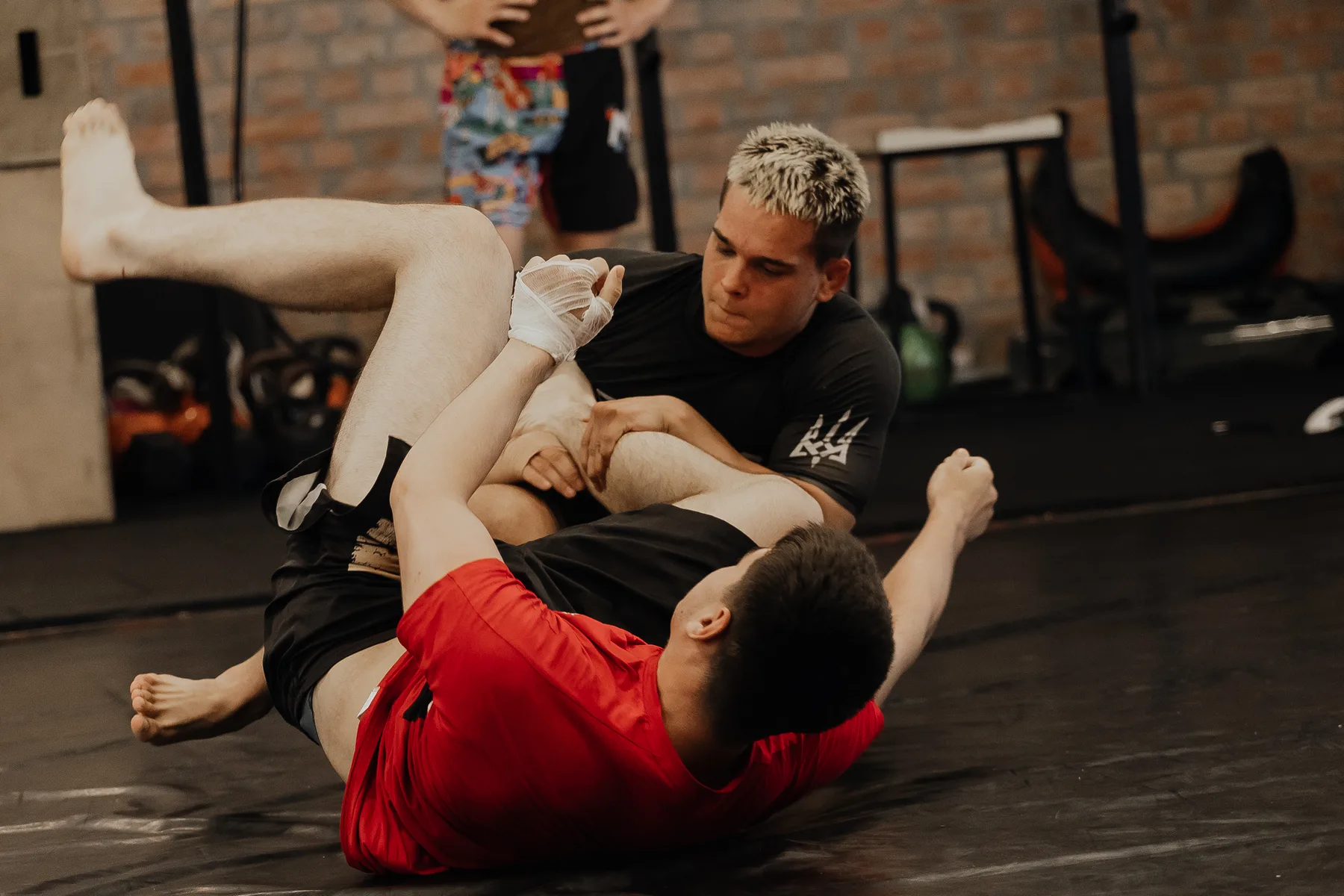
Your first wrestling practice will probably feel faster than the techniques look. A typical session may include a warm-up, stance and motion, tumbling or falling, hand-fighting, a takedown or escape sequence, partner drilling, situational live work and conditioning. The exact order depends on whether the room teaches folkstyle, freestyle, Greco-Roman or wrestling for MMA. Contact the coach before attending because many U.S. school and club practices are not open adult-beginner classes. Confirm eligibility, ruleset, experience level and whether the session actually includes foundations instruction. Wear clean, fitted athletic clothing without pockets, zippers or hard pieces unless the club specifies a singlet or other uniform. Wrestling shoes are often required; ask whether clean trial footwear is available and never wear mat shoes outdoors. Remove jewelry, trim nails, cover or report skin concerns according to the club’s policy and bring water. Tell the coach you are new before warm-up. You should be taught how to hold stance, move without crossing your feet, make controlled first contact, stop on the whistle and return a partner safely. “Live” means resistance and choice; it does not mean ignoring size, experience or safety. A responsible coach can constrain the start, allowed attacks and intensity, and will not use a new person as conditioning for an established competitor. The room may be physically demanding, but exhaustion is not the same as instruction. Focus on one stance cue and one safe finish. Concerning symptoms, injuries or significant limitations require an appropriately qualified healthcare professional and honest coach communication. Safety depends on coaching, progression, partners, mat spacing, rules and culture.
01
What to understand
Identify the room’s actual ruleset
Folkstyle rewards control, escapes and riding; freestyle and Greco-Roman organize positions and scoring differently; MMA wrestling adds strikes and a cage. Ask what is being taught. A stance, finish or restart makes sense only inside the rules and objectives around it.
Use stance as the first home position
Learn where your head, hands, hips and feet belong, then practice returning there after every step and contact. Beginners often become too upright, too low or too narrow under pressure. A home stance gives the coach a position to reset before adding attacks.
Know drilling versus live wrestling
In a drill, the partner provides the specified movement and resistance so both can learn. In situational work, choices expand within a defined position. In open wrestling, more actions are available. Confirm the mode before deciding how hard to resist.
Control the finish and the space
A takedown is not complete just because someone falls. Follow the ruleset’s control objective while protecting the landing and avoiding neighboring pairs. Stop before crossing the mat boundary or driving through an unsafe angle, then reset under the coach’s direction.
Evaluate conditioning in context
Wrestling requires substantial work capacity, and conditioning may be part of practice. Yet a beginner session should still teach. Ask whether fatigue supports a technical objective and whether movement remains safe; collapsing form is not proof that the program is advanced.
02
How to train it
Before practice · verify access and equipment
Message the coach with your age and experience and ask whether the group teaches true beginners. Confirm footwear, clothing, start time, required membership and any skin-screening policy. Do not assume an “open mat” includes instruction or that a school practice accepts outside adults.
Warm-up · learn the movement vocabulary
Treat stance steps, penetration steps, hip movement, rolls and sprawls as technical repetitions rather than a race. Use the regression the coach gives you. Speed added before orientation often teaches knee impact, crossed feet and breath-holding.
Partner drilling · state the reaction
Ask what the partner should do: remain cooperative, give a particular defense or resist progressively. Complete the takedown only as instructed, control the return and freeze in the named scoring position. Alternate clean repetitions instead of adding a private contest.
Live block · start narrow and stop cleanly
A sensible first task might begin from one tie, a single-leg connection, bottom referee’s position or a boundary scenario. Listen for the whistle, release immediately and return to the instructed start. If pace or contact becomes unclear, disengage and call the coach.
Ask which wrestling style is on the mat.
Return to stance after every unfamiliar movement.
Match resistance to the assigned mode.
The whistle ends effort immediately.
Mat shoes stay on the mat.
03
Common mistakes
Shooting from too far away
Beginners see the legs and dive without first winning distance or contact. The result is impact, extended posture and rapid fatigue. Learn the setup and connection point before trying to make the entry fast.
Using the neck as a handle
Hand-fighting includes head contact, but uncontrolled pulling and twisting is not a substitute for position. Follow the coach’s legal grips and pressure limits, keep posture organized and release immediately on stop.
Hiding fatigue until technique disappears
Wrestling culture may celebrate work, but a new athlete still needs judgment. Tell the coach if symptoms are concerning, request a reset when coordination is gone and seek qualified medical assessment for relevant issues. Do not turn silence into a safety strategy.
04
Questions athletes ask
01 · What should I wear to my first wrestling practice?
Ask the club. Clean fitted athletic clothing without pockets, zippers or hard pieces is a common trial option. Wrestling shoes may be required; keep them indoors and use separate footwear off the mat.
02 · Will I wrestle live on the first day?
It depends on the program. A qualified coach may use a short constrained position with a selected partner or keep you in drilling. An unprepared beginner should not be thrown into uncontrolled open wrestling.
03 · Do I need wrestling shoes for my first practice?
Many programs require them, while some can provide a trial solution. Confirm before arriving. Never wear outdoor shoes on the mat or mat shoes outdoors, because footwear policy is part of hygiene.
04 · How hard is a first wrestling practice?
The movement and contact can feel demanding even at moderate intensity. A proper beginner pathway scales intervals and choices so learning survives fatigue. Relevant symptoms or limitations need qualified assessment rather than a toughness test.
05
Sources and further reading
Training needs vary by athlete, schedule and coaching environment. Use these sources as context, then adapt with qualified support. Educational content for athletes and coaches. This guide does not diagnose injury, replace individualized coaching or override event rules. Stop if an activity causes pain, and use an appropriately qualified coach or healthcare professional for your situation.