
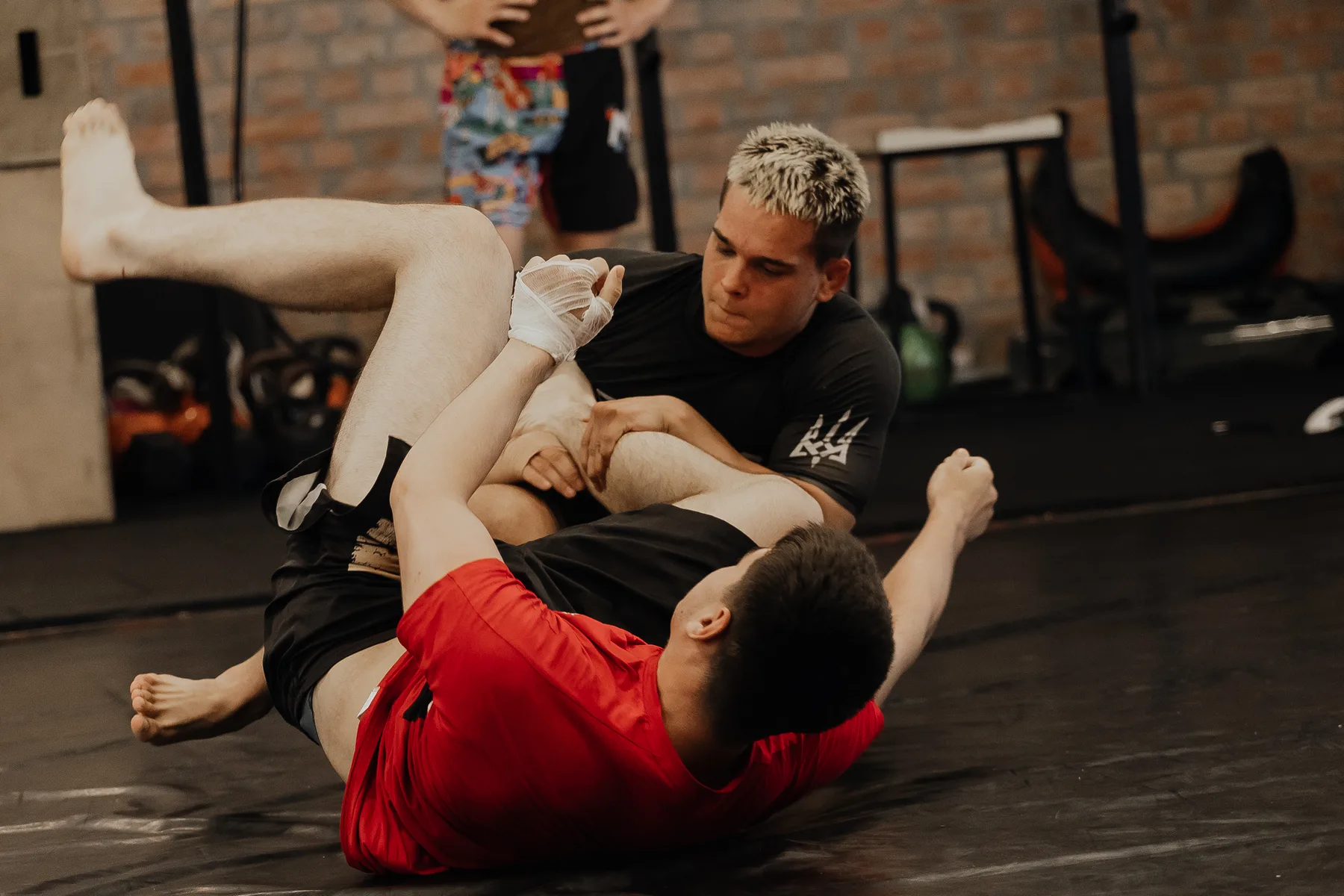
The direct answer
Learn the current NFHS or NCAA scoring model first, then build one takedown, one escape and one dependable ride.
A folkstyle bottom escape chain is complete only when the athlete can start legally, move before the ride settles, control the hands during hip separation, reach useful height, answer the first return attempt and establish the separation recognized by the current rules. The stand-up can anchor the system, but it needs pressure-based branches. Forward pressure may open a sit-out, hip-heist or angle change taught by the coach; trailing pressure may allow the athlete to bring the feet underneath and continue standing; a rider who changes sides requires hand-control recovery before the next movement. If the chain breaks, rebuild the base instead of extending farther. This guide deepens the bottom decision tree beyond a single escape technique by connecting restarts, return defense, boundary and scoreboard. Editorial status: reviewed July 27, 2026. Verify the 2026–27 NFHS Wrestling Rules Book, state association and event packet for scholastic competition, or current NCAA rules and interpretations for college. Escape, reversal, control, locked-hands, mat-return, boundary and activity decisions remain official judgments.
01
What to understand
Prepare the first move before the whistle
From the verified legal start, know which controlling hand is the immediate priority, which foot or knee begins the base movement and where the hips must travel. React to the whistle without anticipating it. The first move should force the rider to follow rather than allow comfortable weight to settle on the hips.
Make hand control travel with the hips
Clearing a hand and then moving later gives the rider time to reconnect. Teach the hands, hips and first foot as one sequence. As the athlete gains height, the controlling hand is captured, peeled or redirected so the rider cannot simply lift and return the same line. The athlete should be able to name which hand makes the next step safe.
Branch from the rider's pressure
Do not cycle through escape names in a memorized order. Read head, hand and near-hip position. Forward weight authorizes one angle-changing family; trailing or lifting pressure authorizes another; strong side control may require rebuilding the base before either. Each branch needs a cue, first checkpoint and route back to the primary chain.
Defeat the first mat-return picture
Reaching the feet does not end the escape. Maintain a useful stance, continue hand fighting, move hips away from the rider's preferred line and circle toward safe separation. If the rider still has legal control, be ready to lower the base or redirect rather than becoming tall and narrow. Landing and return work requires qualified supervision.
Finish for the current match state
A quick clean escape may be enough in one scoreboard situation; another may justify a controlled reversal branch; a third requires first denying near-fall danger. Use score, clock, period, boundary and likely restart to set priority. Technique remains the same, but urgency and acceptable risk change. Athletes should state the objective before every situational start.
02
How to train it
Block 1 · five-second restart wins
Start in the exact referee position. The rider chooses one of two common first controls; bottom has five seconds to reach protected hand control plus meaningful hip separation or a stronger base. Stop before a full escape. Record which hand or hip cue was recognized. Short rounds keep later scrambling from hiding the restart.
Block 2 · synchronized stand-up
Begin after the first base movement. The rider actively changes hand control while bottom synchronizes hand clearing, hip distance and foot placement. Freeze at half-height and full-height checkpoints. If posture folds, feet narrow or the controlling hand remains dangerous, return one checkpoint instead of completing through momentum.
Block 3 · two pressure branches
The bottom wrestler attempts the primary stand-up once. The rider gives forward pressure or trailing/return pressure. Bottom names the cue and uses the matching secondary exit, then returns to hand control. Add a no-opening picture where the correct decision is to rebuild the base. Score recognition before final escape.
Block 4 · stand-and-return decisions
Start with bottom standing and the rider holding a coach-approved legal control. Bottom wins hands, widens to useful stance and circles; top may follow, attempt a controlled legal return or release. Stop at the coach's call and protect the partner throughout. The bottom athlete learns to recognize control loss without assuming that height equals escape.
Block 5 · bottom match-state rounds
Run 30-second starts with visible score and clock. Assign one of three objectives: clean separation, protect first and then escape, or use the pressure cue to pursue a reversal branch. Review the first two decisions, hand-control continuity and response to the official signal. The outcome alone does not diagnose the chain.
First move before the ride settles.
Hands, hips and feet move as one chain.
Pressure selects the secondary exit.
Standing begins return defense; it does not end the escape.
Finish through the official control change.
03
Common mistakes
Winning a hand but leaving the hips behind
Hand control without hip movement lets the rider reconnect before separation. Every hand action should be paired with a base, hip or foot checkpoint. Film from the side and pause after the clear: if the hips have not gained space, the escape chain has not advanced despite a busy hand fight.
Repeating the stand-up into unchanged pressure
If the rider has committed weight to block height, more vertical effort repeats the same loss. Use the pressure cue to change angle or route, then reconnect to the primary escape. Stop situational work after a second identical failure and ask which cue the athlete ignored.
Standing tall with narrow feet
A narrow upright shape gives the rider easier hip access and removes the bottom wrestler's ability to lower or circle. Build height through a usable wrestling stance with hands active. If posture becomes tall before control is cleared, return to a safer base rather than racing the final separation.
Stopping because separation feels complete
The athlete may feel free while the rider still has control under the current rules. Continue safe, legal wrestling until the official signal, then confirm score and restart. Coaches should use current-rule clips and qualified-official feedback rather than teach an oversimplified phrase such as 'two steps means escape.'
04
Questions athletes ask
01 · What is the best first escape from folkstyle bottom?
A stand-up is a common anchor because it connects base, hand control, hip separation and return defense, but no action is universal. The best first route is one the staff can teach deeply and branch against the rider's common pressures. Judge the complete chain, not the opening movement.
02 · How is this guide different from a basic escape guide?
A basic guide teaches the stand-up shape, hand control and simple separation. This system emphasizes the legal restart, pressure-based secondary exits, defense of the first mat return, match-state choice, boundary and completion under official control criteria. It is designed for athletes whose first escape works in drills but breaks under connected resistance.
03 · Should bottom wrestlers practice reversals in the same chain?
Yes, when a clear pressure cue creates a controlled route to top, but the reversal should not replace a readily available escape or expose the athlete unnecessarily. Build it as one branch with a safe exit back to base or separation. Score and clock influence the tactical choice.
04 · When is an escape officially scored?
The referee applies the current governing control and scoring criteria to the complete exchange. A general technique page cannot certify a disputed position. Continue through the signal, and use the current NFHS or NCAA rules, seasonal interpretations and qualified-official examples for teaching. Label every clip by ruleset and season.
05
Sources and further reading
Training needs vary by athlete, schedule and coaching environment. Use these sources as context, then adapt with qualified support. Educational content for athletes and coaches. This guide does not diagnose injury, replace individualized coaching or override event rules. Stop if an activity causes pain, and use an appropriately qualified coach or healthcare professional for your situation.