
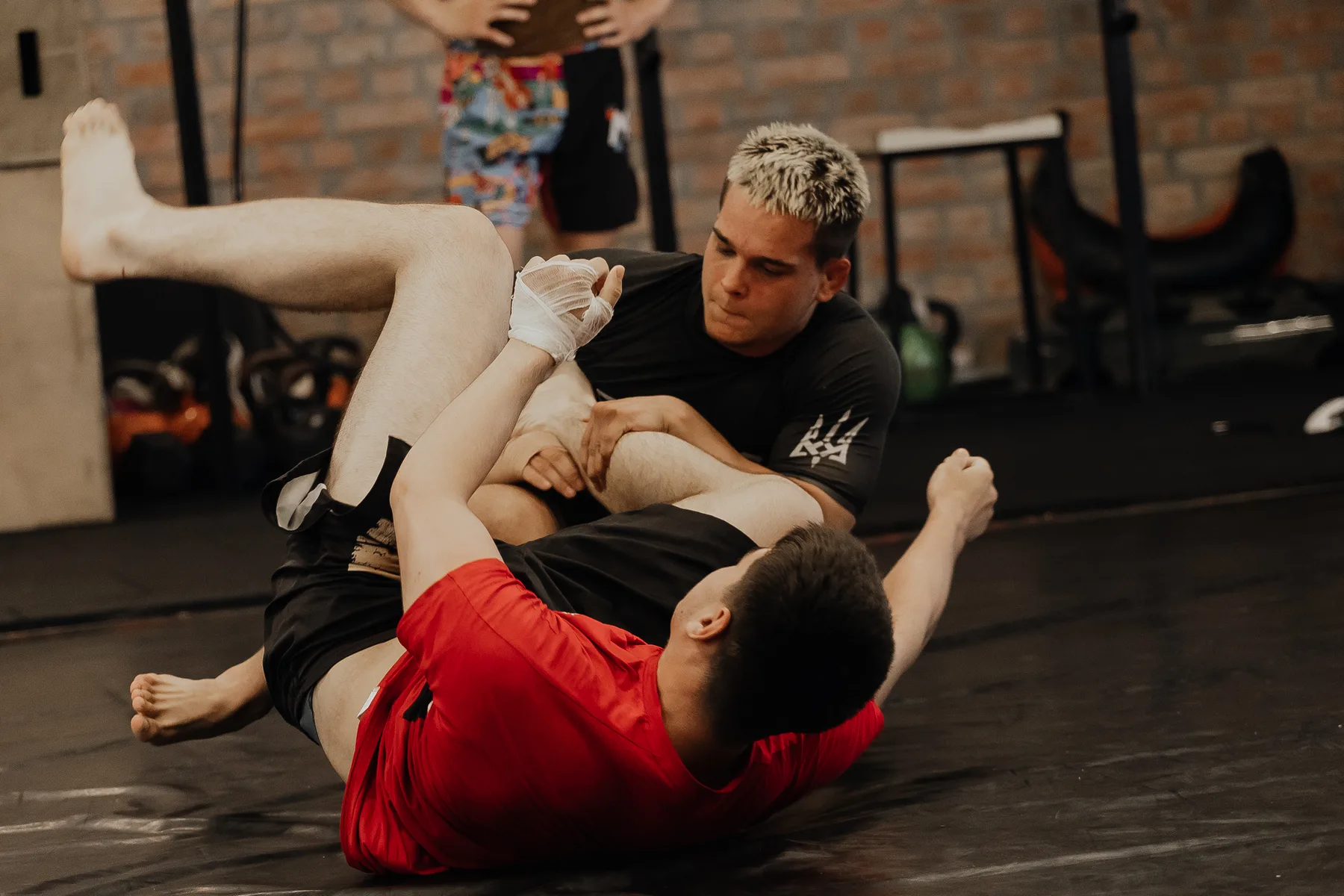
The direct answer
Learn the current NFHS or NCAA scoring model first, then build one takedown, one escape and one dependable ride.
A dependable folkstyle turning system starts by controlling the bottom athlete’s base and hips, then exposing a predictable line rather than forcing a hold against stable posture. Select one turn from wrist or arm control, one from hip or leg control, and a reset route when neither picture is present. Every turn needs four checkpoints: legal entry, controlled rotation, position that satisfies the current near-fall criteria, and a safe release or transition when the defender changes alignment. Train the checkpoints with cooperative partners before adding resistance, and never use pain or uncontrolled joint pressure as the teaching signal. Editorial status: reviewed July 27, 2026. Near-fall timing, scoring, supporting points, potentially dangerous situations, illegal holds and stoppage procedures are defined by the rules in force, not by this technique framework. For scholastic wrestling, verify the 2026–27 NFHS book, state adoption and event guidance; college teams must follow current NCAA rules and interpretations.
01
What to understand
Create the turn before applying it
Remove a post, shift the hips or isolate a controlled side so the defender must rotate to rebuild. The turn should follow that reaction. When athletes reach directly for a finishing configuration, the bottom wrestler can stay square and the top wrestler compensates with arm strength. Define the breakdown that produces each turn and refuse the entry when the required picture is absent.
Control rotation through body position
Hands secure the connection, but knees, hips, chest angle and foot movement steer the rotation. The top athlete should be able to slow, stop or redirect the sequence without yanking the partner. Use a controlled tempo and require both athletes to understand the safe release. If control depends on sudden pressure to the neck, shoulder or another vulnerable joint, the drill must be redesigned by a qualified coach.
Recognize the scoring picture without guessing
Athletes should learn the official’s position, signals and current criteria through verified rules clips, but continue wrestling until the actual call. In practice, a coach can freeze the turn and ask which supporting points, shoulder relationship, control and boundary facts matter. The exercise is not to invent a score; it is to identify what evidence a qualified official evaluates.
Cycle back when the turn disappears
A defender who squares the hips or clears the controlled limb has changed the problem. The top athlete should return to a stable ride, capture the new post and rebuild rather than hold a lost configuration. This cycling ability prevents reversals and reduces unsafe force. Measure how often the athlete retains useful control after a failed turn, not only how often the first attempt scores.
02
How to train it
Block 1 · breakdown-to-picture
Begin from a normal top start. The top athlete uses one breakdown and stops when the exact turning picture appears; no rotation follows. The bottom athlete gives realistic but predictable base recovery. Repeat on both sides and ask the attacker to name which post, hip line or hand position made the turn available. This separates creation from finishing.
Block 2 · rotation with stop control
From the correct entry, rotate only to a coach-called checkpoint, hold stable position briefly and return safely. The coach may call early, middle or scoring-picture checkpoint in random order. The top athlete must control speed at every point; the bottom athlete practices calm, organized defense and communicates immediately if the position feels unsafe.
Block 3 · turn-or-rebuild
The defender alternates between allowing the expected reaction and clearing the controlled side. The top athlete completes the turn only when the picture remains; otherwise, the athlete returns to the ride and reaches a second breakdown. Score both correct decisions equally. This removes the incentive to force a lost hold just to win the drill.
Block 4 · official-view rounds
Run short live top rounds with a coach or qualified official moving to observe the relevant angle. After any near-fall call or close picture, both athletes describe control, supporting position, safety and boundary facts before hearing the evaluator’s explanation. Use the current rules language and record unresolved questions for formal verification rather than settling them by room consensus.
Break the base before chasing exposure.
The reaction opens the turn.
Hands connect; body position rotates.
Control speed at every checkpoint.
Lost picture means rebuild, not force.
The current official call controls the score.
03
Common mistakes
Reaching for the finish from a stable base
The defender can align the shoulders and hips while the attacker’s arms tire. Return to post removal and hip control. A coach should be able to name the breakdown that precedes every turn in the room’s curriculum. If athletes cannot reproduce that entry, the finishing hold is not ready for live resistance.
Using pain as proof of control
Pain does not teach a reliable scoring position and may conceal unsafe alignment. The training signal should be visible structure: broken base, controlled rotation, stable body position and a legal scoring picture. Partners need a clear stop protocol, and qualified coaches must remove any variation that cannot be practiced with controlled pressure.
Assuming old scoring criteria
Near-fall language and scoring details are rules questions with seasonal context. An old clinic clip can still teach movement, but its points explanation may be obsolete or belong to another level. Attach ruleset, season and official source to every scoring example, and have a qualified official review the team’s close-call library.
04
Questions athletes ask
01 · Which folkstyle turn should be taught first?
Choose a turn the coach can connect to the team’s primary breakdown and supervise safely. It should have clear entry, control, rotation and release checkpoints plus a route back to the ride. The best first turn is not the most spectacular; it is the one athletes can recognize and stop at any phase.
02 · How can athletes learn near-fall rules accurately?
Use the current official rule book, governing-body interpretations and clips reviewed by qualified officials. Pause at several angles and ask what evidence is present, but do not overrule the documented call from a partial video. Update the library every season and clearly separate NFHS, NCAA and other rulesets.
03 · Should a top wrestler hold a turn as long as possible in practice?
No. Practice duration should serve the learning objective and partner safety. Use short, controlled holds at defined checkpoints, then release or reset on the coach’s command. Longer competitive situations belong only after athletes demonstrate positional control, communication and the ability to stop immediately.
05
Sources and further reading
Training needs vary by athlete, schedule and coaching environment. Use these sources as context, then adapt with qualified support. Educational content for athletes and coaches. This guide does not diagnose injury, replace individualized coaching or override event rules. Stop if an activity causes pain, and use an appropriately qualified coach or healthcare professional for your situation.