
The direct answer
Learn the current NFHS or NCAA scoring model first, then build one takedown, one escape and one dependable ride.
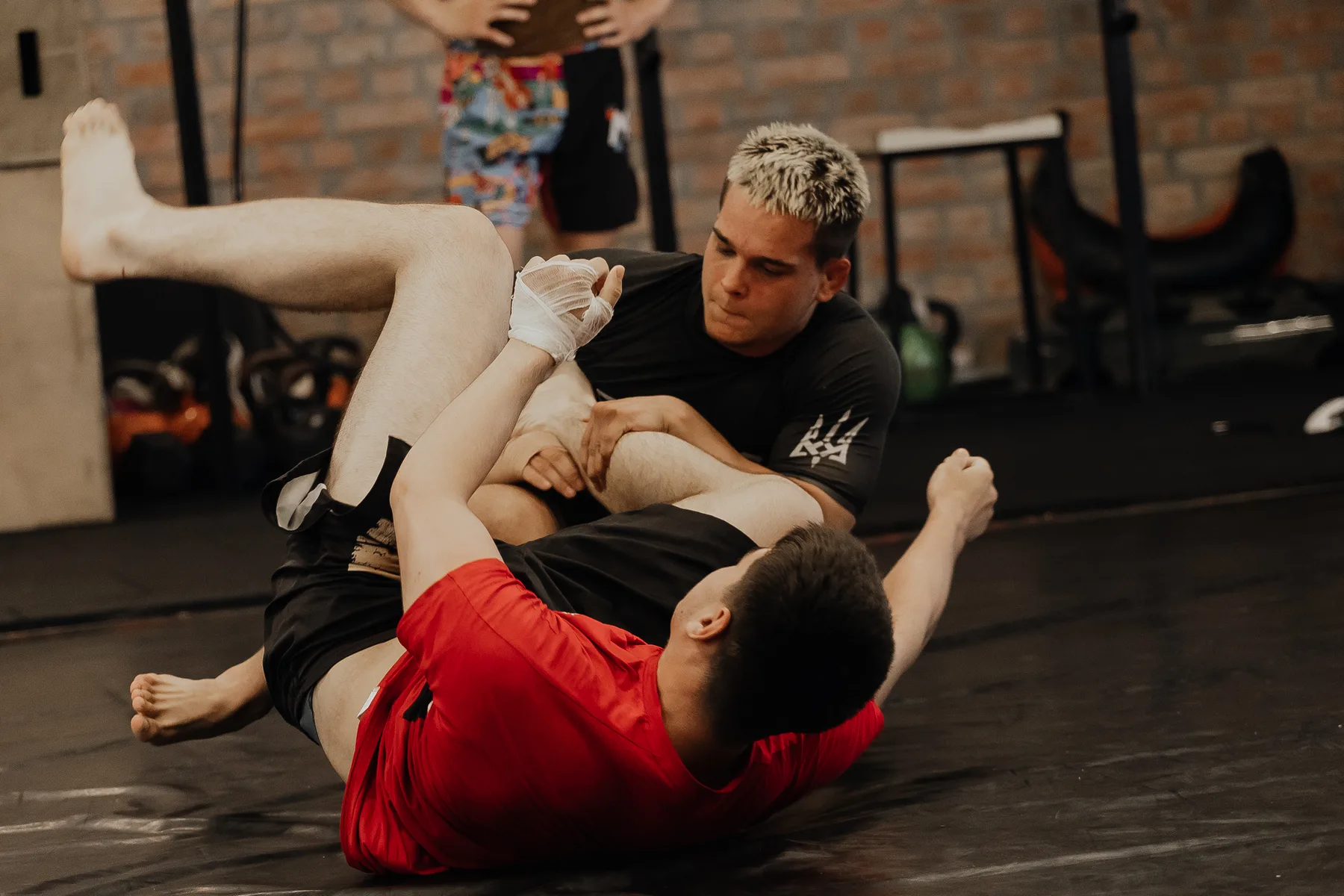
A folkstyle reversal changes who controls the position without requiring the bottom athlete to complete a separate neutral phase first, but the athlete should not chase that outcome from every bottom exchange. A practical decision tree starts with safety and base, then reads the rider’s weight. Forward pressure can create space for a sit-out, switch or turn-in family; pressure across one hip can expose a direction for rotation; a rider who follows too high may create a route behind. If control is already nearly cleared, the simpler escape may be the better match decision. Train the tree by starting from recognizable pressure pictures, reaching a stable control checkpoint and continuing until the current rules support the official call. Editorial status: reviewed July 27, 2026. Reversal, escape, control, boundary and potentially dangerous criteria can change by ruleset and season. Verify scholastic applications in the 2026–27 NFHS rules, state documents and event packet; use the current NCAA playing rules and interpretations for college competition.
01
What to understand
Separate reversal opportunities from escape opportunities
Ask whether the rider’s pressure has exposed a route to control or merely opened separation. If the bottom athlete can clear safely and return to neutral, forcing a rotation may add risk without tactical value. If the rider remains attached but has crossed weight or lost hip alignment, a reversal branch may be efficient. Score, clock, confidence and the next likely restart all influence the choice.
Read pressure through three landmarks
Track the rider’s head, controlling hand and near hip. Those landmarks reveal whether pressure is forward, lateral, trailing or disconnected. The bottom athlete should not begin a named move until the landmarks match its required picture. In film study, freeze just before the reversal and label all three; this turns an exciting scramble into a repeatable recognition skill.
Protect the base during rotation
A reversal attempt that extends the arms or leaves the hips behind can become a turn for the opponent. Keep elbows connected, move the hips underneath and create rotation from a stable contact point. The athlete must know a recovery route when the first angle closes: rebuild the base, return to hand control or finish the simpler escape. A decision tree always includes an exit.
Establish control after getting behind
Getting to the far hip or behind the rider is a transition, not automatically the completed score. Continue through head position, hip coverage and stable support until the governing criteria are satisfied. Then settle into a planned top ride rather than pausing to celebrate. The most valuable reversal changes the match state and leaves the athlete ready to control the next exchange.
02
How to train it
Round 1 · pressure identification
The top athlete presents one of three controlled pressure pictures. The bottom athlete does not finish a move; instead, they secure the base, point or call the open direction and reach the first safe checkpoint of the matching branch. Reset every five seconds. The coach randomizes the order and includes a neutral picture where the correct response is to keep building the escape.
Round 2 · two-branch reversals
Choose two related reversal routes that answer opposite pressures. The defender changes pressure only after the bottom athlete begins the first action. The bottom athlete must stay organized, switch branches once and reach a stable top checkpoint. Keep resistance moderate until both athletes can control rotational speed and avoid forcing vulnerable joints or the neck.
Round 3 · escape-or-reversal choice
Start halfway through a primary escape. The rider may either lose attachment, cross weight to recover, or follow correctly. The bottom athlete chooses immediate separation, a reversal branch or continued hand fighting. Award the training point for the correct decision and protected position, not only for a final score. This prevents reversal hunting when the simplest exit is already available.
Round 4 · match-state tree
Run 30-second bottom rounds with a visible score and clock. In one scenario, a quick escape is sufficient; in another, control change is strategically valuable; in a third, protecting against near-fall danger comes first. Require the athlete to state the priority before the whistle, then compare the decision with the actual pressure picture afterward.
Base first; read pressure second.
Head, hand and hip reveal the branch.
Escape open space; reverse crossed pressure.
Rotate from connection, not extension.
Getting behind is not the final checkpoint.
Every reversal needs a safe exit.
03
Common mistakes
Choosing a move before reading weight
A memorized reversal attempted against the wrong pressure usually requires force and exposes the bottom athlete. Begin rounds from varied pictures and score recognition before execution. If an athlete cannot describe where the rider’s weight moved, the coach should simplify the cue rather than add another technique.
Leaving the near arm extended
Posting far from the body may feel like space, but it can remove the structure needed to rotate and expose the athlete to top pressure. Keep useful frames close enough to support the hips, and replace a vulnerable post before continuing. Coaches should supervise rotational drills closely and stop any action that loads an unsafe joint position.
Stopping after the visual highlight
A roll or hip switch may look decisive while control remains unresolved. Train through the stable top checkpoint and immediate ride. Use a qualified official or current rules examples to distinguish visual position changes from a completed reversal. Athletes should respond to the actual signal, not assume the crowd’s reaction settled the exchange.
04
Questions athletes ask
01 · Is a reversal always better than an escape?
No. The better choice depends on position, score, time, risk and the likelihood of completing control. A secure escape may be faster and return the athlete to a strong neutral game. A reversal may be valuable when the rider’s pressure has already created a clear control route. Train both choices under scoreboard scenarios.
02 · How many reversal branches should a wrestler have?
Begin with two responses to clearly different pressure pictures plus a route back to the primary escape. Add a branch only when match film shows a recurring position the current tree cannot solve. More names do not create better decisions; recognizable cues, stable checkpoints and a reliable recovery route do.
03 · Can a general article confirm whether a reversal scored?
No. The referee applies the current governing rules to the complete exchange, and video may omit an angle or earlier control. Use this guide to organize training questions, then consult the official book, current interpretations and a qualified official for disputed examples. Label every teaching clip with ruleset and season.
05
Sources and further reading
Training needs vary by athlete, schedule and coaching environment. Use these sources as context, then adapt with qualified support. Educational content for athletes and coaches. This guide does not diagnose injury, replace individualized coaching or override event rules. Stop if an activity causes pain, and use an appropriately qualified coach or healthcare professional for your situation.