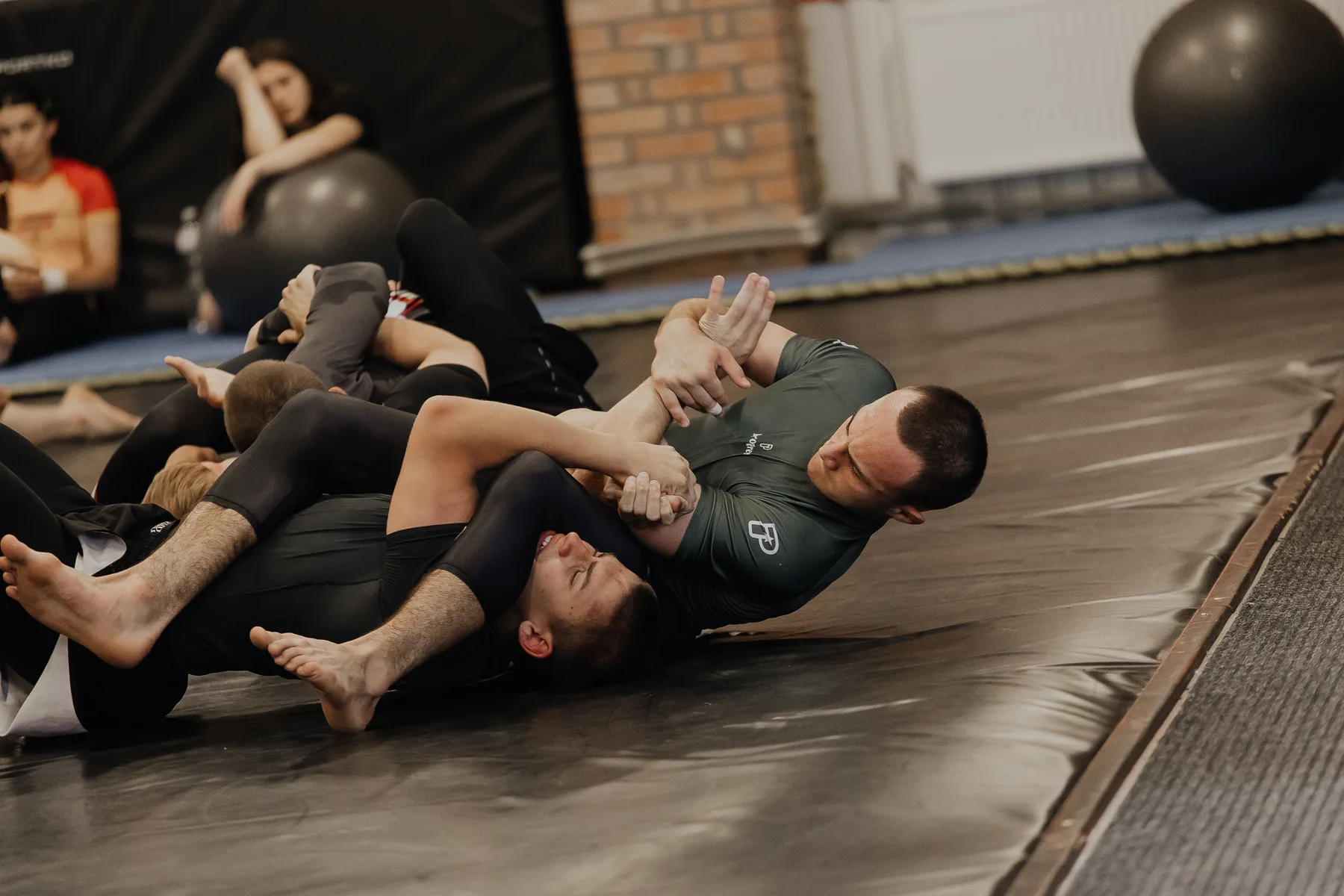
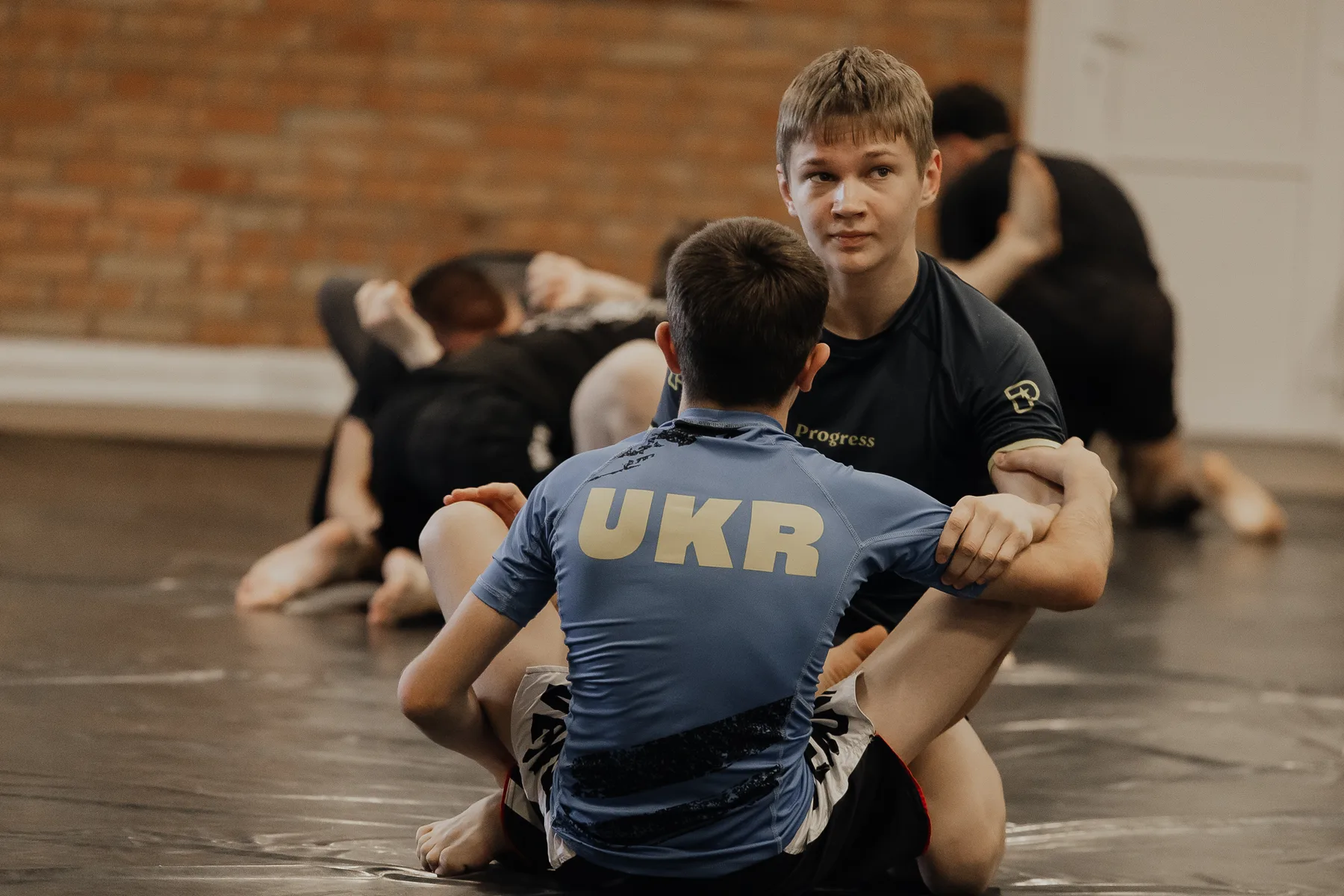
Use freestyle wrestling to improve BJJ stance, hand fighting, takedown chains, mat returns, and top control without importing the wrong rule habits.
The short version
- Wrestling improves stance, hand fighting, reaction creation, and the ability to finish takedowns through resistance.
- BJJ athletes must account for guillotines, back exposure, guard, and submission grips when adapting wrestling.
- A small chain built around one primary attack is more useful than a large menu of disconnected shots.
What freestyle wrestling gives a BJJ athlete
Freestyle wrestling develops the ability to move an opponent who is actively refusing to be moved. Its stance, level changes, hand fighting, penetration steps, finishes, sprawls, and re-attacks create a complete standing problem. Just as valuable, wrestling teaches continuity: the first attack is expected to meet resistance, so the athlete connects to a second and third option. That mindset fits BJJ better than memorizing a perfect takedown demonstrated against a stationary partner.
Wrestling also improves balance during scrambles and the instinct to cover hips after a finish. These qualities can convert a two-point takedown into useful top position rather than an immediate guard recovery. The conditioning effect is real, but technique is the more durable advantage. Efficient wrestlers do not simply work harder; they win head position, angles, and timing before spending energy.
Choose attacks that fit your BJJ game
Start with one primary attack that matches your build and preferred distance. A single-leg offers several finishes and connects well to upper-body ties. A double-leg can be decisive when the entry is protected. Snapdowns and go-behinds suit athletes who prefer front-headlock control. Body locks and trips help competitors who want to stay more upright, especially in the gi.
Then build a short chain. For example: inside tie to single-leg, opponent pulls the leg back, transition to a body lock, then finish with an outside trip. Each branch should answer a common reaction rather than add a random move. Practice the chain both no-gi and with legal BJJ grips so the athlete learns which parts survive the uniform change.
Modify wrestling habits for submissions and guard
A freestyle finish may expose the neck to a guillotine or drive directly into a guard that the wrestler has not learned to navigate. Head position, arm placement, and the direction of the finish must reflect submission risk. Likewise, rolling through danger to avoid wrestling exposure points may give away the back in BJJ. The correct habit depends on the rules being contested.
After every takedown, add a three-second control requirement before considering the repetition complete. The top athlete clears dangerous grips, controls the hips, and settles into a pass or ride. The bottom athlete practices framing, guard recovery, or a technical stand-up rather than accepting the position. This extension turns a wrestling score into a grappling sequence.
A four-drill integration block
Begin with stance-and-motion rounds in which athletes hand fight without takedowns. Add entry-only rounds where one athlete must reach a clean leg or body position. Next, use finish rounds from a partially defended single-leg or body lock. End with takedown-to-control rounds that continue until one athlete stabilizes top position or the other establishes guard and distance.
Keep early rounds short enough that technique does not collapse into bent-waist pushing. Two focused wrestling blocks per week can meaningfully improve a BJJ athlete's stand-up when a coach provides specific feedback. Read the current UWW and BJJ rules separately; the purpose is to borrow wrestling's problem-solving while making every final decision legal and valuable in the athlete's actual competition.