Learn a practical grip-fighting framework for sambo, BJJ, judo, wrestling, and MMA using inside position, posture, angles, sequences, and drills.
The short version
- A useful grip controls posture or an attacking lane; collecting handles without purpose wastes time.
- Win inside position, align your head and hips, and move your feet before forcing a takedown.
- Grip sequences should be trained with the rules and uniform of the target sport.
A grip is a position, not a souvenir
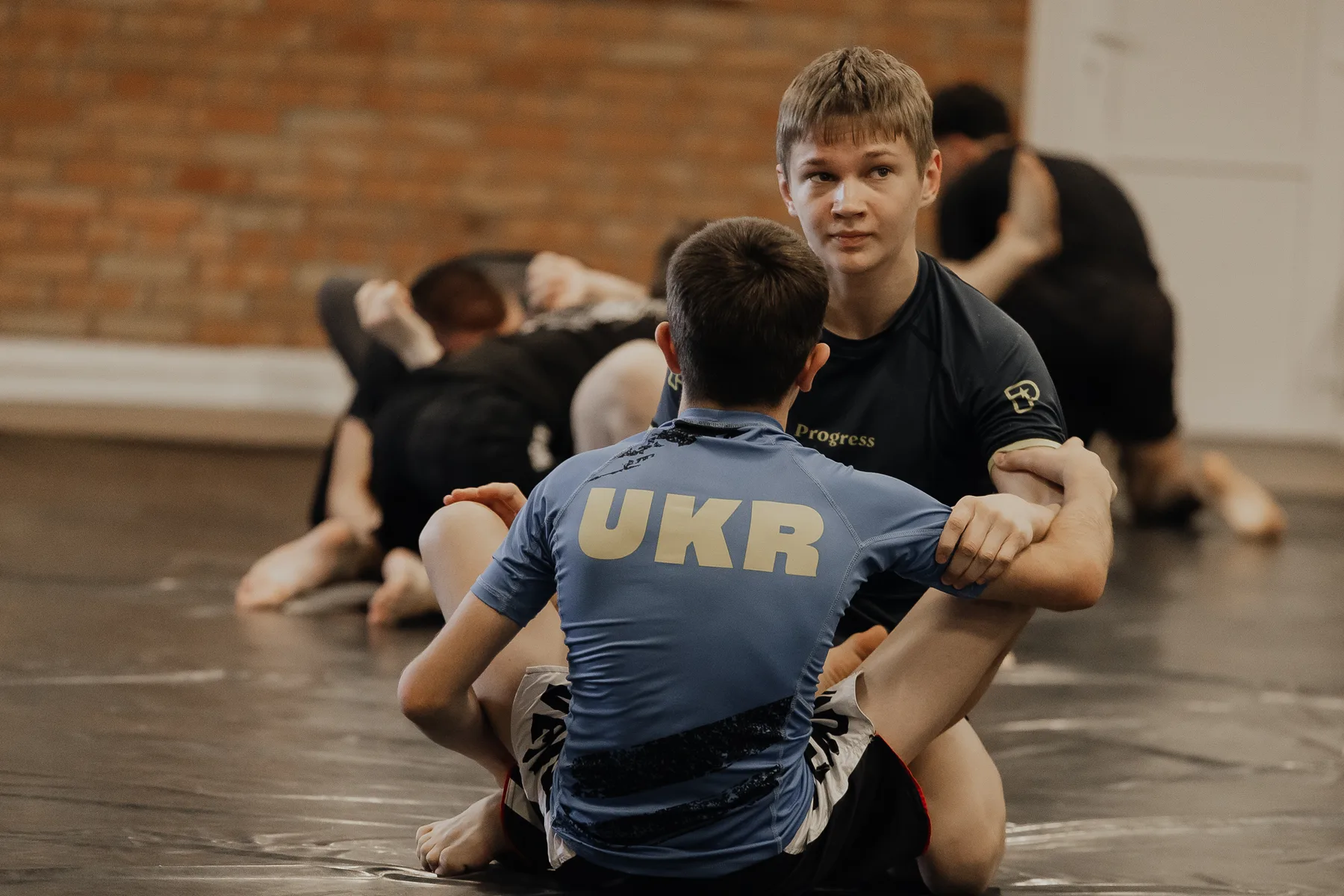
Beginners often grab the first available sleeve or wrist and hold it without changing the opponent's options. Effective grip fighting has a tactical result: break posture, control a shoulder, deny an underhook, open a turning lane, or force a predictable step. If a grip does none of those things, it may be consuming a hand the athlete needs for defense. Start every sequence by naming what the connection should accomplish.
The feet and head complete the grip. Strong hands attached to square hips can still lose to an opponent who creates an angle. In jacket grappling, move the opponent through the fabric while maintaining your own posture. In no-gi, use inside ties, wrists, underhooks, overhooks, and head position to build temporary control. No grip lasts forever, so the system must include transitions.
Jacket grips for sambo, judo, and BJJ
Sleeve, lapel, belt, and over-the-back connections create different throwing lines. A sleeve can deny a post and expose a turning angle. A lapel or jacket grip can influence posture and distance. Belt and back grips can generate strong rotational control, but reaching for them may expose the athlete during entry. The legal details differ sharply across sambo, judo, and BJJ.
Build grip sequences from a preferred first contact. For example: secure the sleeve, deny the opponent's power hand, establish a controlling jacket grip, then attack as the opponent recovers posture. Practice the opponent's likely grip break and your re-grip rather than assuming the ideal hold remains. Competitors should read the current federation rules because grip duration, configuration, and penalties are not transferable by intuition.
No-gi hand fighting and MMA clinch priorities
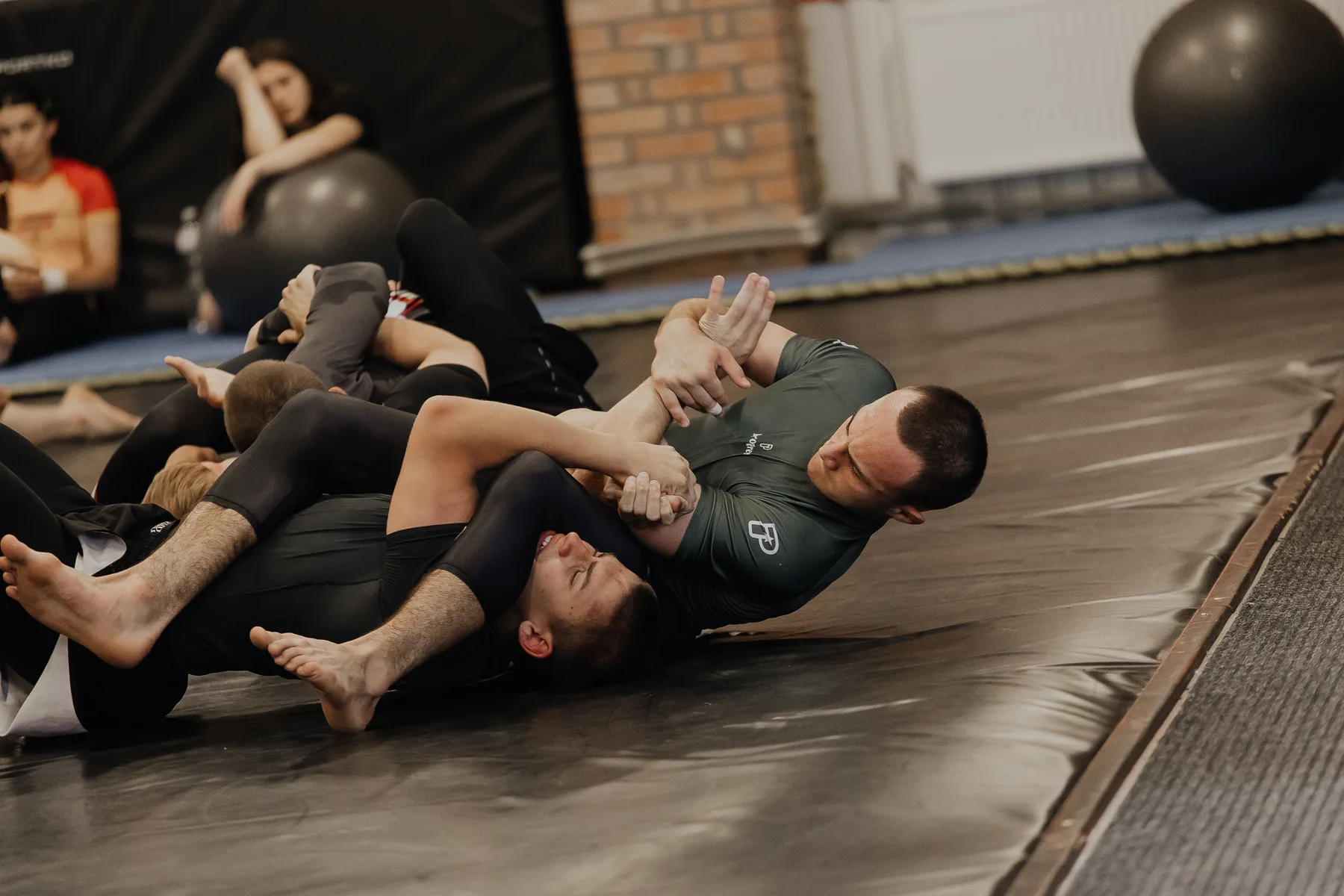
Without cloth, connections are shorter-lived. Wrist control, collar ties, biceps ties, underhooks, overhooks, and body locks must combine with pressure and footwork. Inside position often offers the shortest path to control, but it is not an end by itself. An underhook becomes valuable when head placement, hip angle, and the far-side hand prevent the opponent from squaring up.
MMA adds striking consequences. Reaching with both hands, hanging in a loose collar tie, or entering with the head unprotected can be punished. Clinch work should connect to safe entries, wall position, short offense, takedowns, and exits. Technical drills can include light touch strikes to keep hand position honest without turning every grip exchange into hard sparring.
Three drills that make grips functional
First, play a connection game: score by reaching one defined grip or tie while the partner denies it, with no takedowns. Second, start from the desired grip and let the defender break or reverse it; the attacker must transition to a second useful control. Third, add a finish window in which the athlete has five to ten seconds to create a credible takedown entry after winning the grip. Short constraints produce more learning attempts than open sparring alone.
Change the drill when the sport changes. Put on the jacket for sambo or BJJ, use the exact competition surface and boundary when possible, and add a fence for MMA clinch work. Track whether grip wins lead to attacks rather than counting grip wins alone. The objective is a repeatable path from first contact to advantage, not forearm fatigue for its own sake.