Trace Brazilian jiu-jitsu from Japanese judo and jujutsu influences through Brazilian innovation, competition rules, and worldwide growth.
The short version
- BJJ grew from Japanese judo and jujutsu knowledge adapted in Brazil.
- Several teachers, families, academies, and competition cultures contributed to its development.
- Modern rules helped turn a diverse fighting practice into a global grappling sport.
Before BJJ: jujutsu, Kodokan judo, and global travel
Brazilian jiu-jitsu begins within a larger history of Japanese grappling. During the late nineteenth and early twentieth centuries, Kodokan judo organized throwing, control, and submission methods into a modern educational and competitive system. Japanese practitioners traveled internationally for demonstrations, teaching, and challenge matches. In Brazil, that knowledge met an active culture of combat-sport promotion and local experimentation.
The terminology of the era can confuse modern readers because judo was often described as jiu-jitsu outside Japan. That does not make the connection less real; it means historical labels were fluid. The Kodokan remains an important reference point for understanding the technical foundation, while Brazilian sources explain how those ideas changed after arrival. BJJ is therefore both connected to judo and distinct from the judo practiced under today's international rules.
Mitsuyo Maeda, Brazilian students, and multiple lineages
Mitsuyo Maeda is the best-known Japanese practitioner associated with BJJ's early development in Brazil. His teaching and public matches helped transmit grappling knowledge to Brazilian students, including members of the Gracie family. The Gracies later became influential teachers, competitors, and promoters. Their role is central, but it is not the whole story.
Other Japanese immigrants, Brazilian practitioners, and academy lineages also trained, competed, and refined ground fighting. Luiz França and the Fadda lineage are among the reminders that BJJ did not travel through one narrow channel. A complete history makes room for these parallel communities without diminishing any genuine contribution. It also distinguishes documented relationships from later marketing narratives.
Why ground fighting became the center
Brazilian practitioners placed unusual strategic attention on surviving, controlling, and submitting from the ground. Challenge matches and academy rivalry encouraged techniques that could be tested against resistance. Guard work became especially sophisticated because it allowed a grounded athlete to control distance, off-balance an opponent, reverse position, or submit. Over time, this emphasis created a technical language recognizably different from other jacket-grappling sports.
Competition rules accelerated specialization. Point systems rewarded takedowns, sweeps, guard passes, mount, and back control, while submissions could end the match. Belt divisions and standardized events created a long development path for recreational and elite athletes. Rules also produced strategic behaviors, including guard pulling and advantage-based decisions, that make sense inside BJJ even when they transfer imperfectly to MMA or another sport.
From Brazil to a worldwide sport
BJJ expanded internationally through immigration, academy networks, instructional media, and the visibility of mixed martial arts. No-gi competition grew alongside traditional gi practice, drawing greater exchange with wrestling and submission grappling. Organizations such as the IBJJF helped standardize a major branch of competition, while many independent formats developed different rules and priorities. Modern BJJ is an ecosystem rather than a single uniform league.
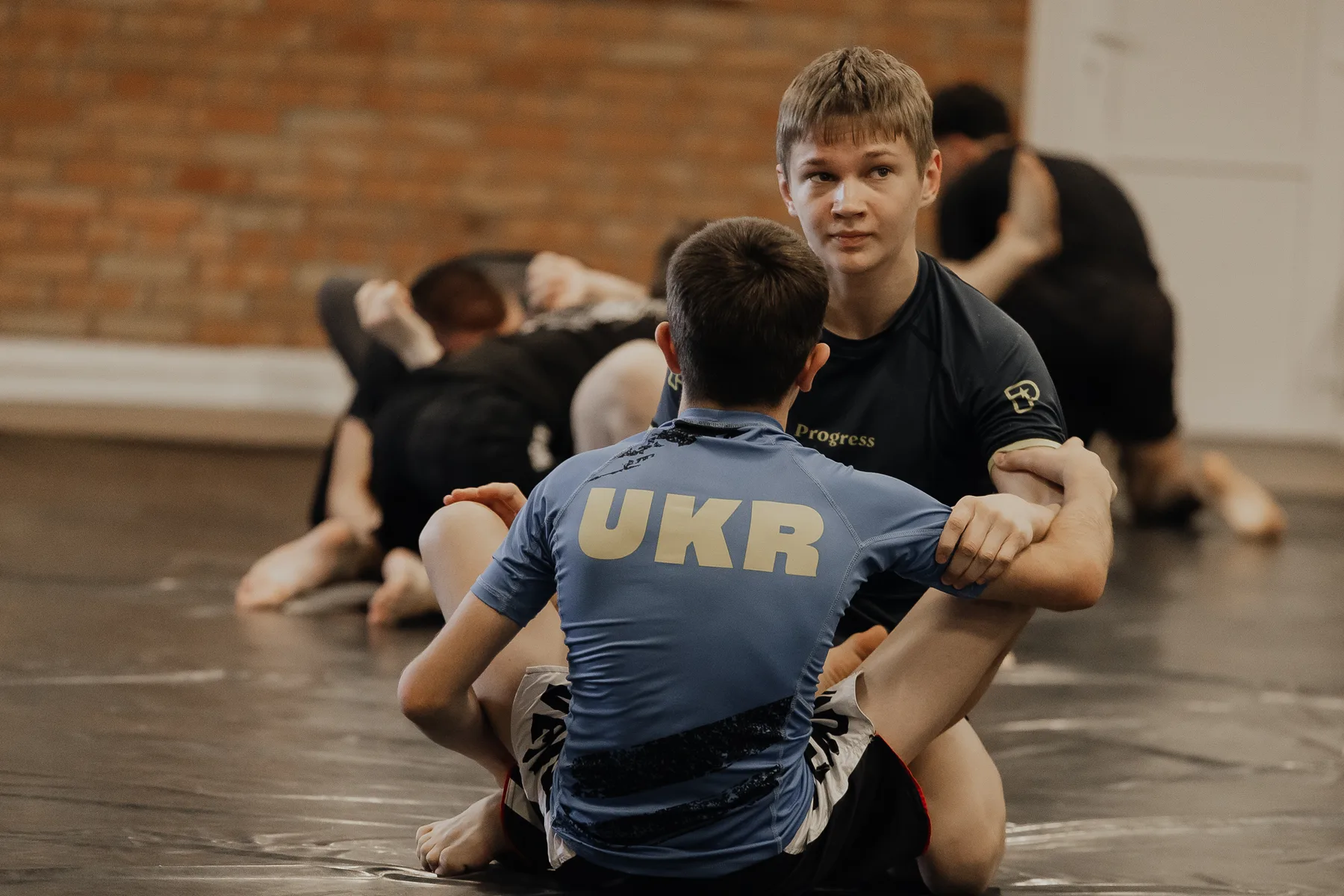
That global growth continues to reshape the art. American wrestling, European and Ukrainian grappling, sambo, judo, and new professional events all feed technical ideas back into BJJ. Knowing the history helps athletes respect the source without freezing the sport in the past. The healthiest tradition is one that documents its roots, credits more than its most famous promoters, and keeps testing technique honestly.