Explore Ukrainian wrestling culture through club discipline, freestyle and Greco-Roman craft, sambo and judo exchange, and a distinct national identity.
The short version
- Ukraine has a distinct wrestling identity built through local clubs, coaches, sports schools, and national institutions.
- Freestyle, Greco-Roman, judo, sambo, BJJ, and MMA communities exchange skills without becoming the same sport.
- The tradition values technical repetition, positional discipline, and collective responsibility in the training room.
A culture built in local rooms
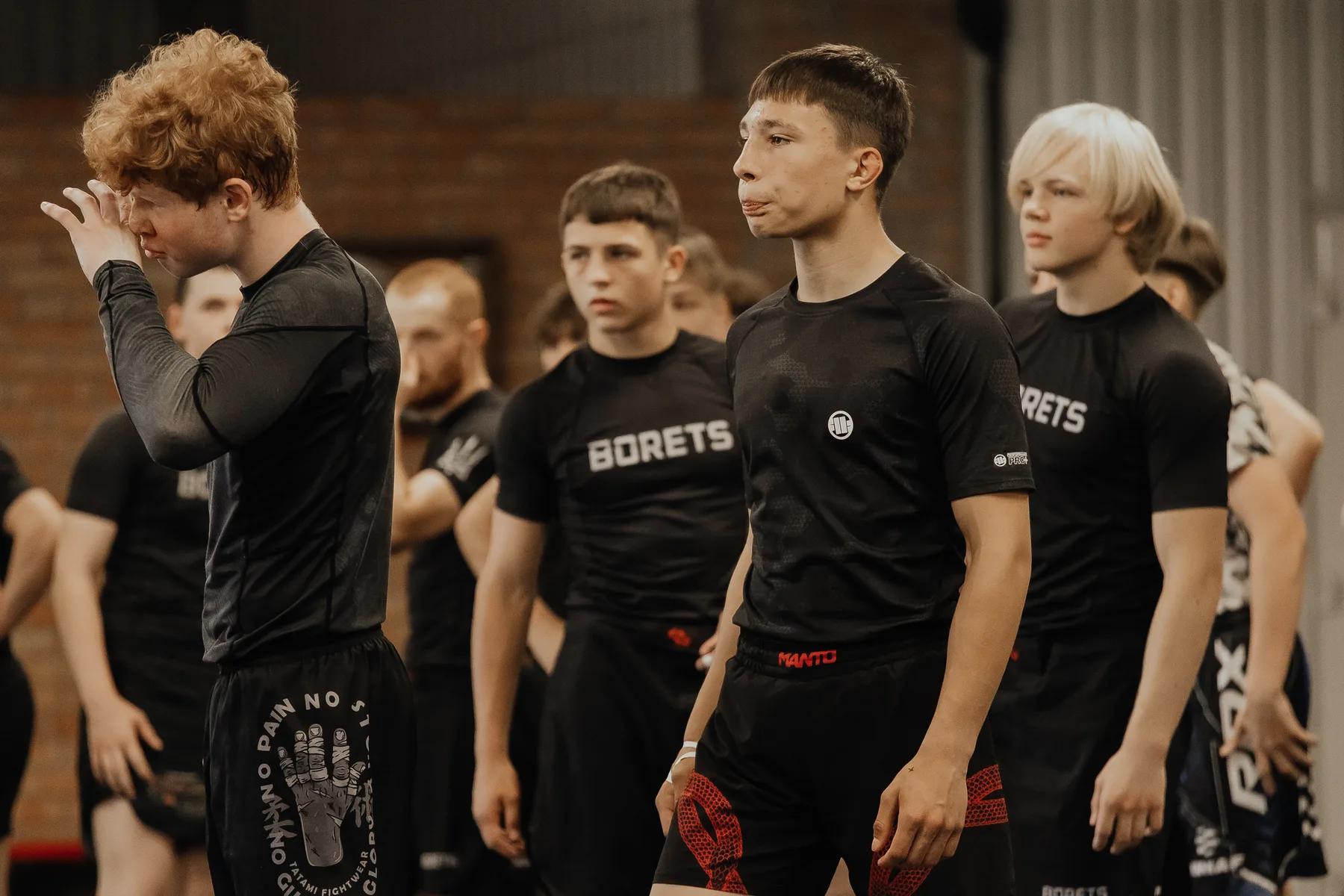
Ukrainian wrestling culture lives first in local gyms and sports schools. Athletes learn stance, balance, falling, hand fighting, and disciplined repetition long before an international result appears. Coaches pass down technical language and room standards, while families and teammates sustain the daily work. The tradition is national in identity and deeply local in how it is practiced.
Ukraine's combat-sports story should not be collapsed into a generic post-Soviet label or narrated as an extension of Russia. Institutions overlapped during the Soviet period, but Ukrainian cities, coaches, athletes, and communities developed their own lineages and continued them through an independent national system. Accurate history respects both exchange and sovereignty. It names Ukraine directly rather than treating Ukrainian achievement as geographically interchangeable.
Freestyle and Greco-Roman as technical languages
Freestyle wrestling rewards attacks to the legs, exposure, control, and continuous transition. Greco-Roman removes attacks below the waist and creates a demanding upper-body world of pummeling, body locks, position, and throws. Ukrainian rooms have participated in both traditions, producing athletes who understand that spectacular technique begins with small positional wins. Head placement, inside control, stance integrity, and edge awareness are practiced until they hold under pressure.
This foundation travels well. A freestyle athlete entering BJJ can bring chain takedowns and scrambling, but must account for submissions and guard. A Greco-Roman athlete entering MMA can bring clinch pressure and body control, but must add strike-safe entries and leg-attack defense. Ukrainian coaching at its best treats crossover as translation rather than proof that one rule set solves every fight.
Exchange with sambo, judo, BJJ, and MMA
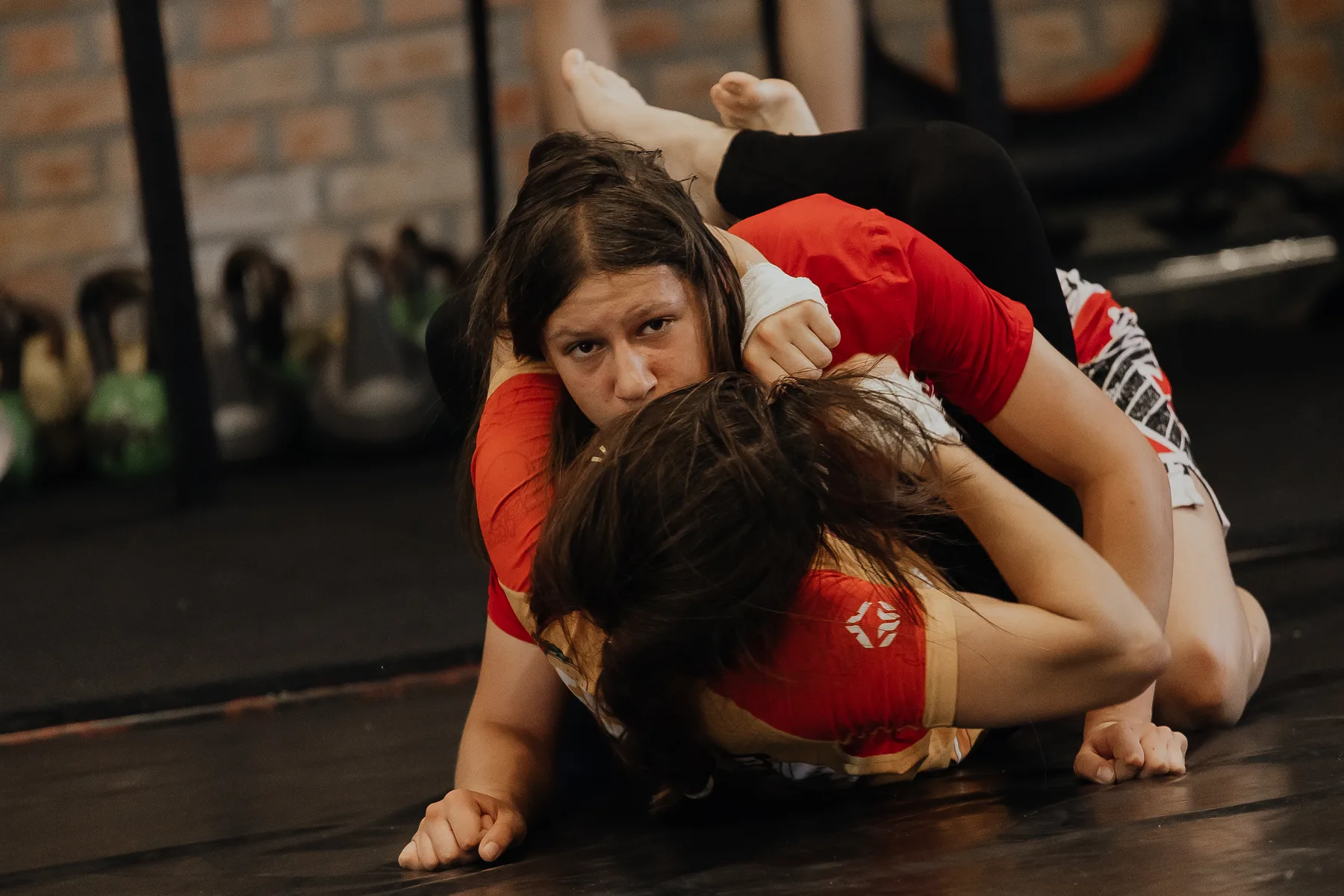
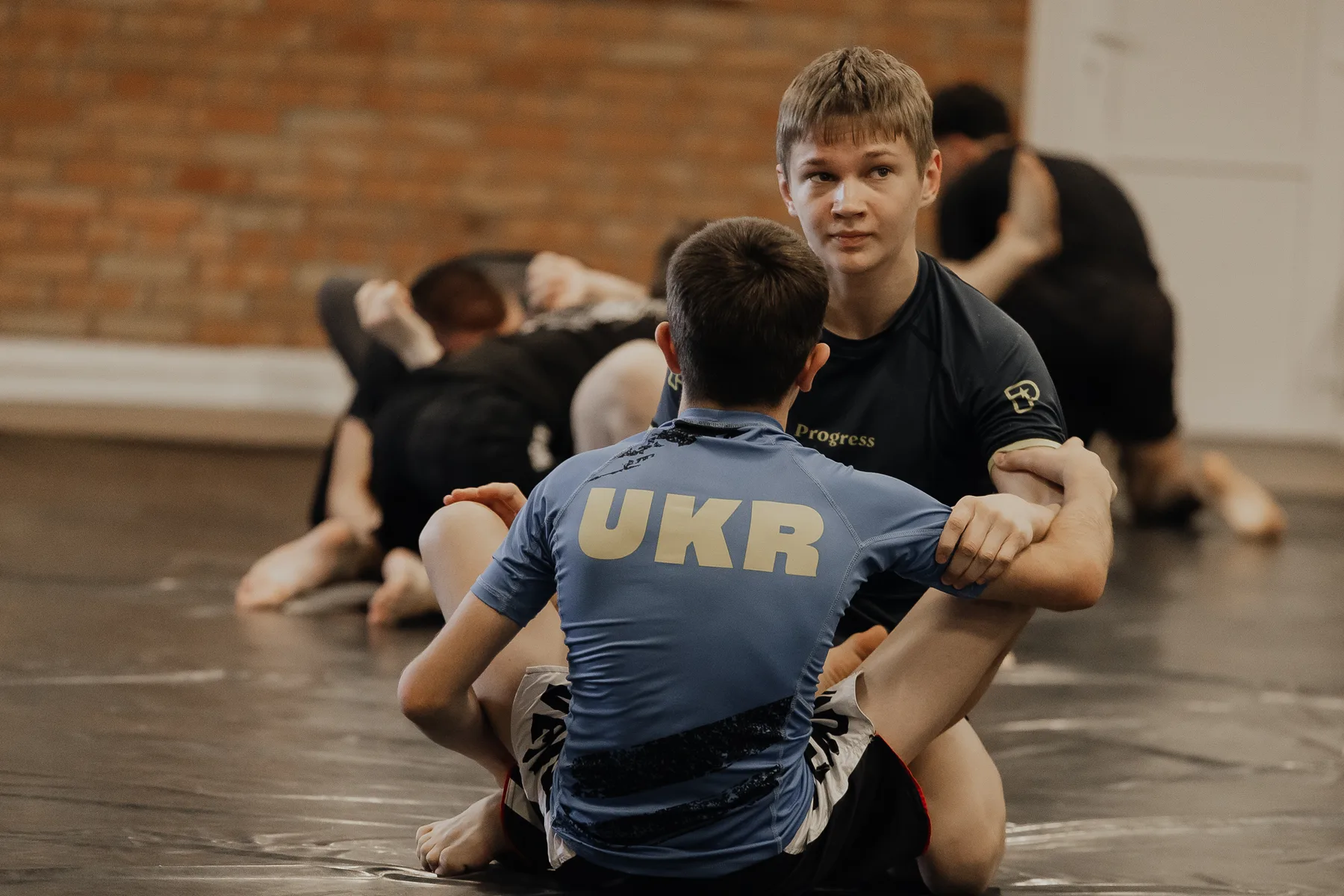
Judo and sambo add jacket grips, throws, hold-downs, and submissions to the regional grappling conversation. Modern BJJ and MMA gyms add longer ground sequences, cage work, and integrated striking. Athletes who move among these rooms carry habits with them: a wrestler's pressure, a judoka's off-balancing, a sambo athlete's transition urgency, or a BJJ player's positional patience. The strongest programs preserve the rules language of each sport while learning across boundaries.
That exchange also connects Ukraine with a global audience. Seminars, competition, migration, and online coaching allow technical ideas to travel in both directions. An American athlete training with Ukrainian coaches should expect more than a collection of secret moves. The real value is a method: precise basics, honest resistance, clear standards, and an expectation that skill must work against someone who knows what is coming.
Resilience without turning hardship into branding
Ukrainian athletes have trained through profound disruption, displacement, and war. Their perseverance deserves respect, but it should not be reduced to a marketing image of toughness. Athletes are people, not symbols, and Ukrainian sport includes joy, education, community, ambition, and craft alongside hardship. Responsible storytelling centers their agency and names the conditions they navigate without exploiting them.
For BORETS LAB, a Ukrainian perspective means teaching from lived coaching culture while speaking to the needs of athletes anywhere. It means crediting Ukrainian roots, using evidence instead of mythology, and welcoming serious learners across borders. The aim is not to claim that nationality guarantees a result. It is to share a rigorous tradition with clarity and to let the quality of the work represent Ukraine.
What athletes can learn from the Ukrainian room
Build a small technical core and repeat it against progressively stronger reactions. Treat stance, grip, position, and safe falling as performance skills rather than warm-up filler. Help partners improve because the room becomes only as strong as its shared standard. Review competition honestly, separating the result from the decisions that produced it.
These principles are not exclusive to Ukraine, but their expression within Ukrainian wrestling culture is distinctive. Train with curiosity, verify current rules through the governing bodies, and resist simplistic national stereotypes. A living tradition is strongest when it can explain where it comes from, adapt to new environments, and remain recognizably itself.