Plan peak week for BJJ, wrestling, sambo, or MMA by reducing fatigue, preserving speed, managing logistics, and avoiding dangerous last-minute choices.
The short version
- Reduce total training volume while retaining short, familiar, high-quality efforts.
- Do not introduce new exercises, hard conditioning tests, or unnecessary contact during peak week.
- Weight management and medical concerns require qualified professionals and event-specific planning.
The job of a taper
A taper reduces accumulated fatigue while preserving the qualities needed for competition. For a combat athlete, those qualities include timing, speed, confidence, and familiarity with the game plan. The exact taper depends on the preceding workload, the event, the athlete, and travel. It is not a fixed seven-day ritual copied from another competitor.
Volume usually falls more than intensity. That means fewer total rounds, repetitions, or sets, while selected efforts can still feel fast and purposeful. Sessions end before performance degrades. An athlete who leaves wanting one more round is often in a better peak-week position than one who needs several days to recover from proving fitness.
Keep intensity, remove unnecessary cost
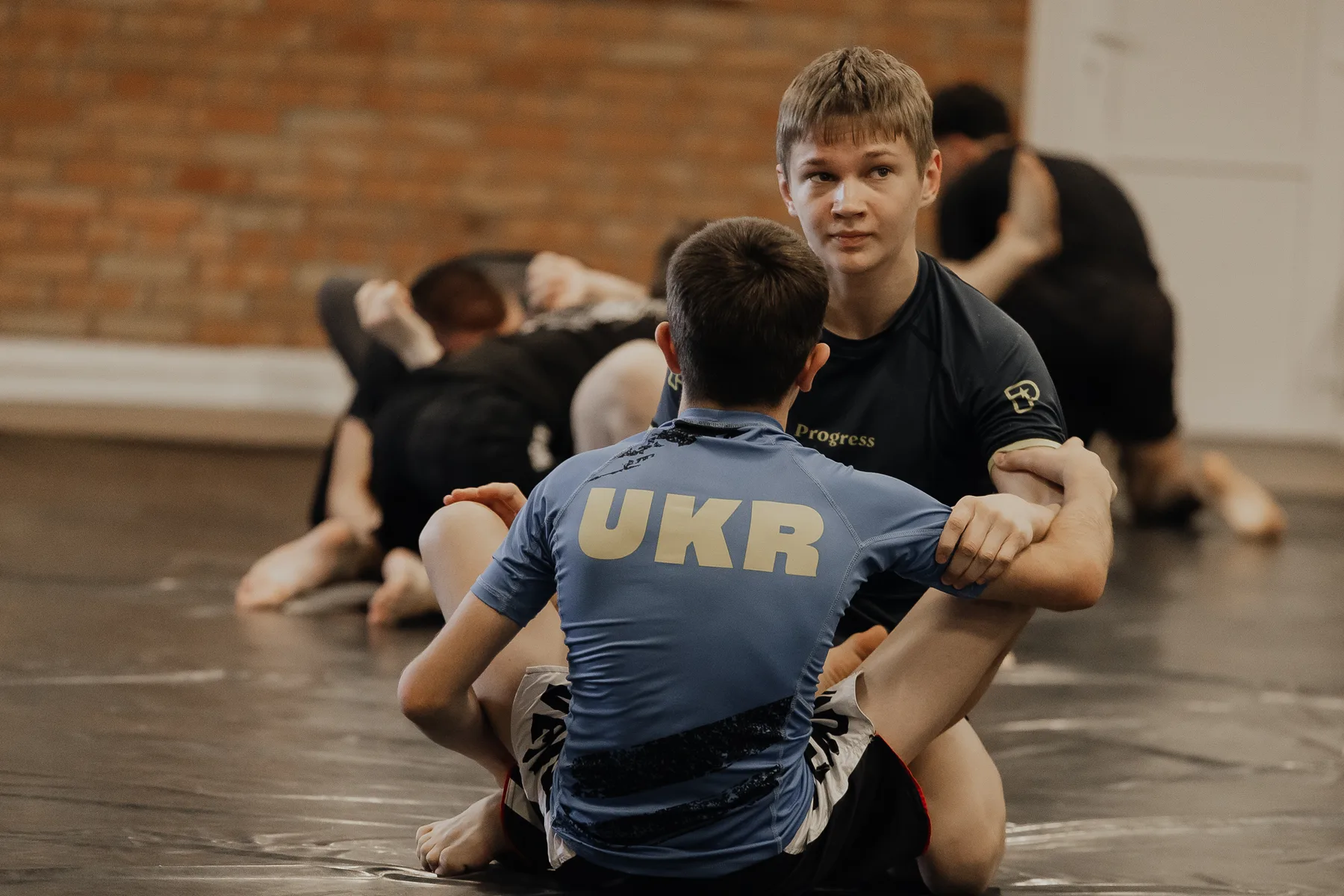
Early in the week, rehearse brief game-plan sequences with trusted partners. A grappler might practice first grips, a preferred takedown, one escape, and the transition to a scoring position. An MMA athlete might rehearse opening combinations, fence exits, and corner cues with controlled contact. The work is specific enough to feel real but constrained enough to reduce injury and fatigue risk.
Strength training, if retained, becomes short and familiar: low volume, crisp technique, no grinding, and no novel exercises. Conditioning should preserve rhythm rather than create adaptation that cannot arrive before competition. Hard sparring and maximal fitness tests offer little late benefit. Peak week rewards restraint because the developmental work should already be complete.
Weight management without internet heroics
Weight-class sports can create pressure for aggressive last-minute loss, particularly through dehydration. That approach can carry serious performance and health consequences. No general article can determine a safe target, method, or timeline for an individual. Athletes should work with appropriately qualified medical and sports-nutrition professionals and follow the event's weigh-in and competition rules.
Do not introduce unfamiliar supplements, foods, or extreme restriction during peak week. Tested athletes also remain responsible for prohibited substances and supplement contamination risk. Use official anti-doping resources and products evaluated through credible third-party programs when a qualified professional recommends supplementation. A scale number is not a successful plan if it compromises the athlete's ability to perform or be safe.
Control the controllables
Confirm registration, identification, medical documents, uniform rules, equipment, travel time, check-in, weigh-in, bracket information, and corner access. Pack early and bring familiar backup items where permitted. Review the event's current rulebook, especially legal techniques for the athlete's division. Administrative stress can drain attention that should be available for competition.
Set a simple day-of routine: familiar food and fluids, a progressive warm-up, a few high-confidence movements, and clear communication with the coach. Avoid copying another athlete's elaborate activation sequence. The warm-up should leave the body ready, not tired. A good peak week feels almost understated because its purpose is to reveal preparation, not perform anxiety.
Primary references
Educational content only. This article does not diagnose injuries, prescribe medical treatment or replace a qualified coach or licensed healthcare professional who knows your situation.