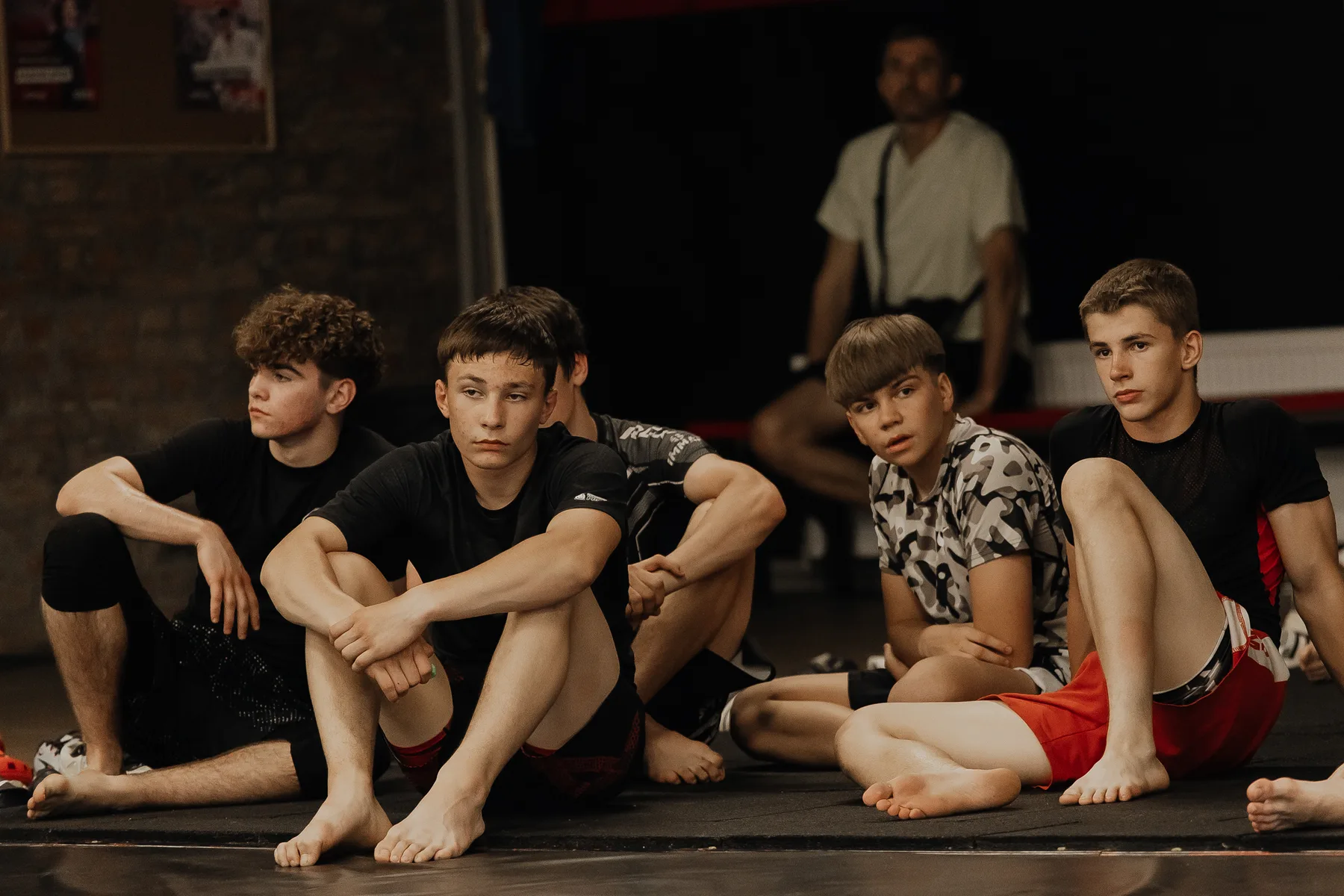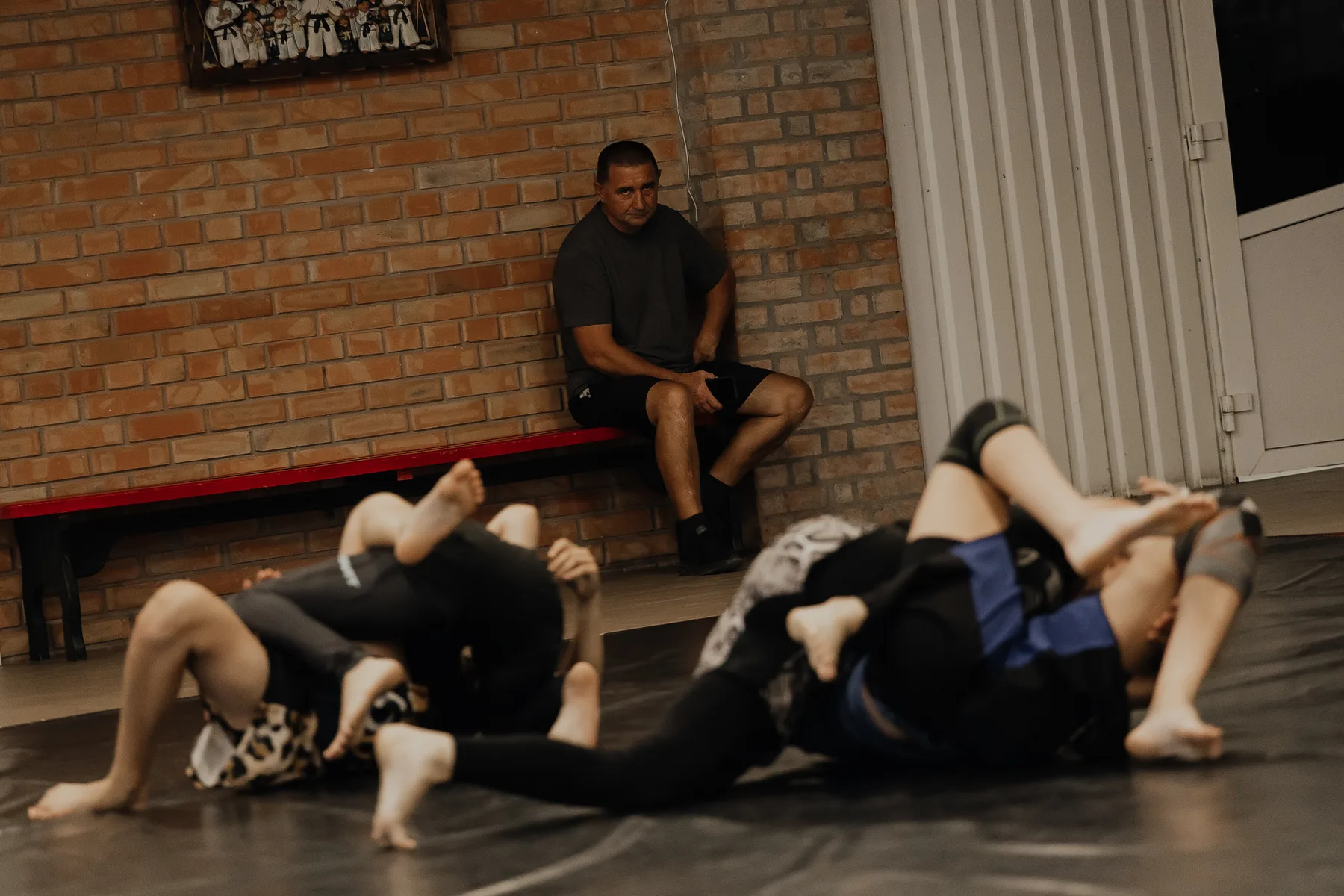
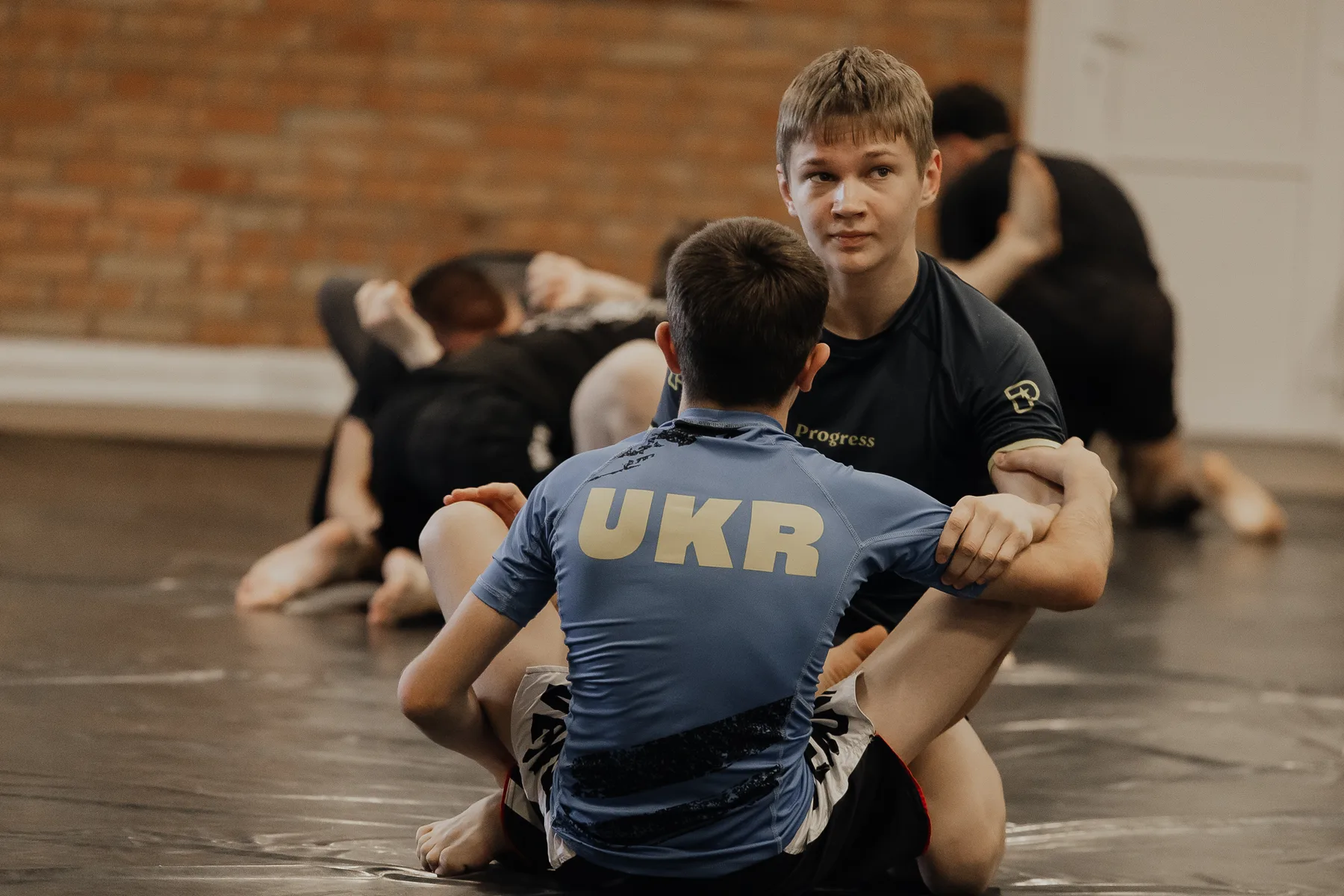
Build strength and conditioning for BJJ, sambo, wrestling, and MMA with smart exercise selection, energy-system work, and sample weekly structure.
The short version
- Build general strength through squat, hinge, push, pull, carry, and trunk-resistance patterns.
- Use a small dose of power work while fresh, then condition according to the sport and current phase.
- Two well-placed strength sessions are enough for many grapplers when mat practice is the priority.
Train the athlete behind the technique
Grapplers need enough strength to maintain posture, move an opponent, resist unwanted movement, and repeat technical efforts under fatigue. They also need speed, aerobic recovery, and the ability to produce short high-intensity bursts. A useful program develops these qualities without pretending the weight room can reproduce live grappling. The mat remains where athletes learn timing, grip decisions, and sport-specific pressure.
Begin with the athlete's current demands and training age. A novice may improve with simple full-body lifting twice weekly. An experienced competitor may need smaller, more targeted doses around a high mat volume. Exercise selection should reflect available equipment, coaching, injury history, and technical competence. No universal workout can replace an individualized assessment.
The strength menu: simple patterns, progressive loading
Organize training around movement patterns: a squat or split squat, a hip hinge, an upper-body push, an upper-body pull, a loaded carry, and trunk work that resists extension or rotation. Variations might include trap-bar deadlifts, front squats, rear-foot-elevated split squats, presses, rows, pullups, sled work, and carries. Neck and grip work can be added progressively when coaching and the athlete's condition support it.
Use loads that allow consistent technique and leave room for sport practice. Progress can come from a small increase in weight, an extra repetition, better control, or the same work at lower effort. Grinding every set is rarely necessary. During hard grappling phases, maintaining strength with fewer total sets may be a better outcome than chasing gym records.
Power and conditioning without random exhaustion
Power exercises belong early in the session while the athlete is fresh. Jumps, medicine-ball throws, short sprints, and technically appropriate Olympic-lift variations can train rapid force when performed with quality and full enough recovery. Stop the set when speed drops sharply. Turning power work into a fatigue circuit changes the adaptation and often reduces movement quality.
Conditioning should match the current gap. Easy aerobic work can improve recovery capacity without adding another hard fight. Short intervals can prepare repeated high-output exchanges, while longer sport rounds test tactical execution under fatigue. Do not stack every method in the same week. Choose one primary conditioning objective, monitor how it affects mat quality, and progress the dose gradually.
A two-day template around grappling
Day one can pair a jump or medicine-ball throw with a squat, horizontal press, row, carry, and brief trunk work. Day two can pair a short sprint or jump with a hinge, split squat, vertical push or pull, and a different carry. Three to five work sets are not mandatory for every exercise; many athletes progress with two or three high-quality sets after warm-up. Place the harder lift away from the most demanding sparring day when possible.
A sample week might use technical grappling Monday, strength Tuesday, moderate grappling Wednesday, strength Thursday, hard rounds Saturday, and recovery or rest on the remaining days. The sequence should change when class schedules or competition priorities change. If strength work repeatedly damages the next mat session, reduce volume, adjust exercise novelty, or move the session before assuming the athlete needs more toughness.
Safety, supplements, and professional scope
Warm up for the movements you will load, use appropriate spotting and equipment, and learn technical lifts from a qualified professional. Persistent pain, neurological symptoms, or a suspected injury requires medical evaluation, not programming advice from an article. Athletes returning from injury should coordinate training with their licensed clinician and coaches. This framework is general education, not a diagnosis or treatment plan.
Food, hydration, and sleep usually deserve attention before supplements. Tested athletes are responsible for substances they use, and contamination can create health and anti-doping risk. Consult official anti-doping resources and qualified sports-nutrition professionals rather than relying on influencer claims. A successful strength program is deliberately ordinary: measurable, repeatable, and supportive of better combat-sport practice.
Primary references
Educational content only. This article does not diagnose injuries, prescribe medical treatment or replace a qualified coach or licensed healthcare professional who knows your situation.