Compare sport sambo and combat sambo by rules, equipment, techniques, training priorities, and the best starting path for grapplers and MMA athletes.
The short version
- Sport sambo focuses on throws, hold-downs, and legal submissions without striking.
- Combat sambo adds striking and a broader fight context, changing stance, entries, and risk management.
- Beginners benefit from choosing the format that matches their goals and training under qualified supervision.
The shared sambo foundation
Sport sambo and combat sambo begin with the same core idea: control distance, establish useful grips, break balance, finish the takedown, and own the transition. Athletes in both disciplines need reliable falling skills, posture, footwork, grip awareness, top control, and submission defense. The jacket creates powerful handles, while the short match environment rewards athletes who make decisions quickly. Someone watching for the first time will recognize the same family resemblance in both formats.
That shared foundation matters because combat sambo is not kickboxing with occasional takedowns, and sport sambo is not a watered-down combat format. Each discipline develops specialists. A sport athlete can spend more attention on aggressive gripping and throwing positions that would carry additional striking risk in combat. A combat athlete must make every grappling entry work while punches, kicks, and other permitted attacks change the distance.
The rule and equipment differences that change everything
Sport sambo prohibits striking and scores the grappling exchange. Athletes wear the sambo jacket, belt, shorts, and shoes, then pursue throws, hold-downs, and submissions allowed for their division. Combat sambo adds legal striking and uses additional protective equipment under the applicable rules. The referee, scoring criteria, and stopping conditions therefore evaluate a wider range of offense.
Those additions change position selection. A low stance that works in pure grappling may expose the head to strikes. A loose clinch that is acceptable while hunting a jacket grip can become costly. On the mat, a position that delays a submission in sport may also expose the athlete to legal ground strikes in combat. Because rule details evolve, athletes should use the current FIAS document for their event rather than a gym poster or old highlight video.
How training priorities diverge
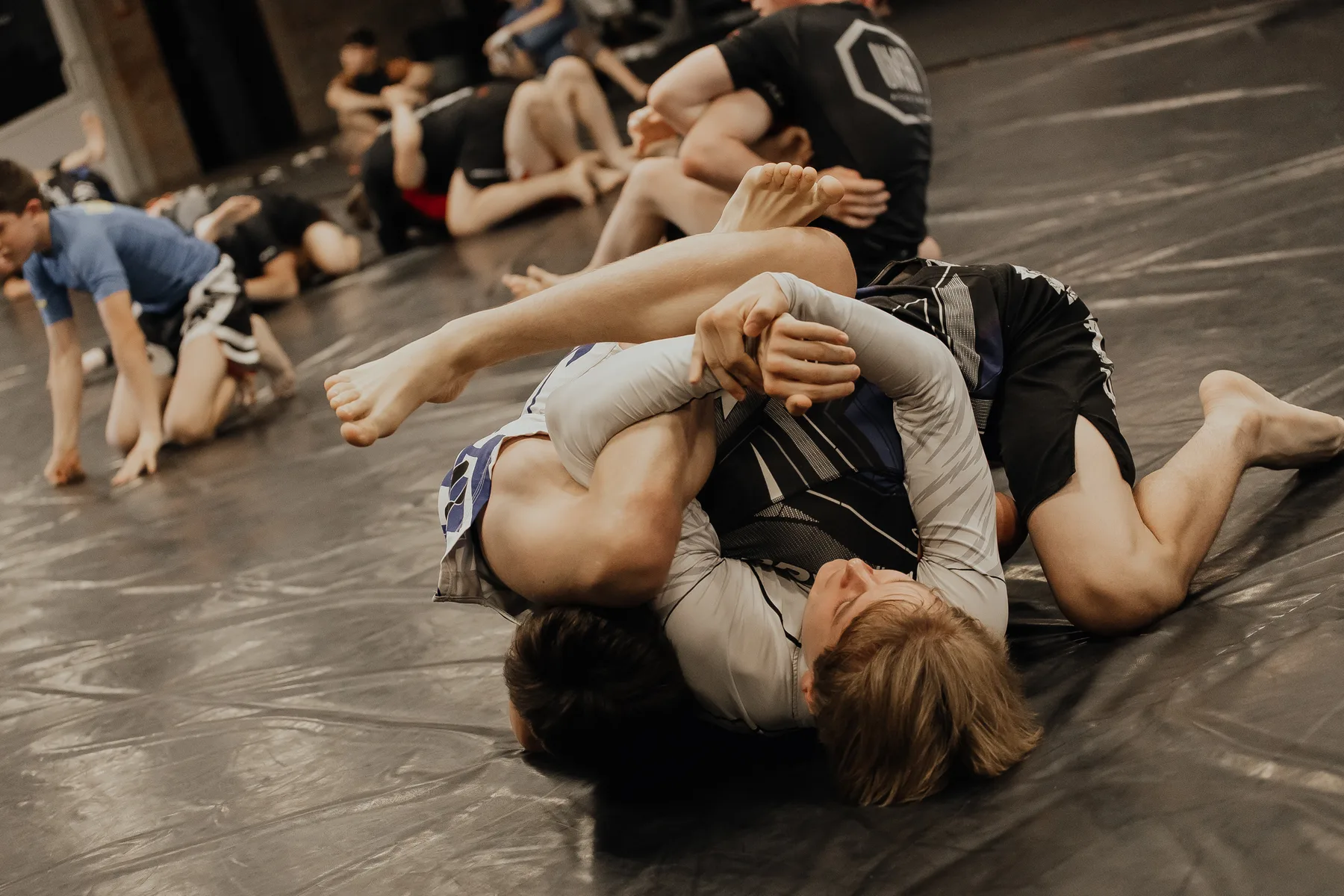
Sport sambo preparation can devote a larger share of live work to grip sequences, throw combinations, boundary awareness, hold-downs, and rapid submission chains. The athlete still needs conditioning and defensive discipline, but the technical problem stays inside grappling. Productive rounds often begin from defined grips or transition positions so athletes can repeat the highest-value decisions under pressure.
Combat sambo practice must integrate ranges. The athlete learns to enter the clinch behind sound defense, strike without surrendering balance, wrestle near boundaries, and exit safely when the takedown is unavailable. Training intensity should progress carefully: technical striking, controlled situational rounds, and full-format work have different purposes. Protective gear reduces some risk but does not make uncontrolled contact harmless, so qualified coaching and sensible partner matching are essential.
Which discipline should you choose?
Choose sport sambo if your primary interest is jacket wrestling, dynamic throws, leg attacks, and submission grappling. It is also a strong entry point for athletes coming from wrestling, judo, or BJJ because the rules isolate the grappling layer. Choose combat sambo if you specifically want an integrated striking-and-grappling sport and have access to a credible program that teaches both safely. MMA athletes may use either discipline, but combat sambo offers more direct practice connecting strikes to takedowns.
Access and coaching quality matter more than the label on the door. Visit a class, ask how beginners are onboarded, and observe whether the coach enforces control during live rounds. A healthy gym can explain why a drill exists and how it connects to competition. If your long-term goal is MMA, you can still build a deep sport sambo base first and layer striking later; a progression that you can sustain is more valuable than rushing into the most complex format.