Learn what sambo is, how sport sambo matches work, what athletes wear, and why wrestlers, judoka, and MMA fighters value the style.
The short version
- Sambo is a jacket-grappling sport centered on throws, positional control, and submissions.
- Its standing and ground phases are connected, so athletes learn to attack during transitions.
- Event rules and legal techniques can change by division, so competitors should always read the current rulebook.
Sambo in one clear definition
Sambo is a grappling system developed in the twentieth century and now practiced worldwide in several competitive disciplines. Its name comes from a phrase meaning self-defense without weapons. In sport sambo, two athletes use a fitted jacket, belt, shorts, and wrestling-style shoes while trying to score with throws, control on the mat, and legal submissions. The result feels familiar to wrestlers and judoka, but the rhythm is distinctly sambo: grips form quickly, attacks can travel in several directions, and the best throw often flows straight into a finish.
The International SAMBO Federation, commonly known as FIAS, governs the international sport and publishes the rules used at its events. Local tournaments may use modified formats, particularly for youth and novice divisions. That is why a useful definition of sambo includes both its technical identity and its rules context. It is not simply judo with leg locks or wrestling in a jacket; it is a complete competition style with its own scoring logic, equipment, tactics, and training culture.
What happens in a sport sambo match
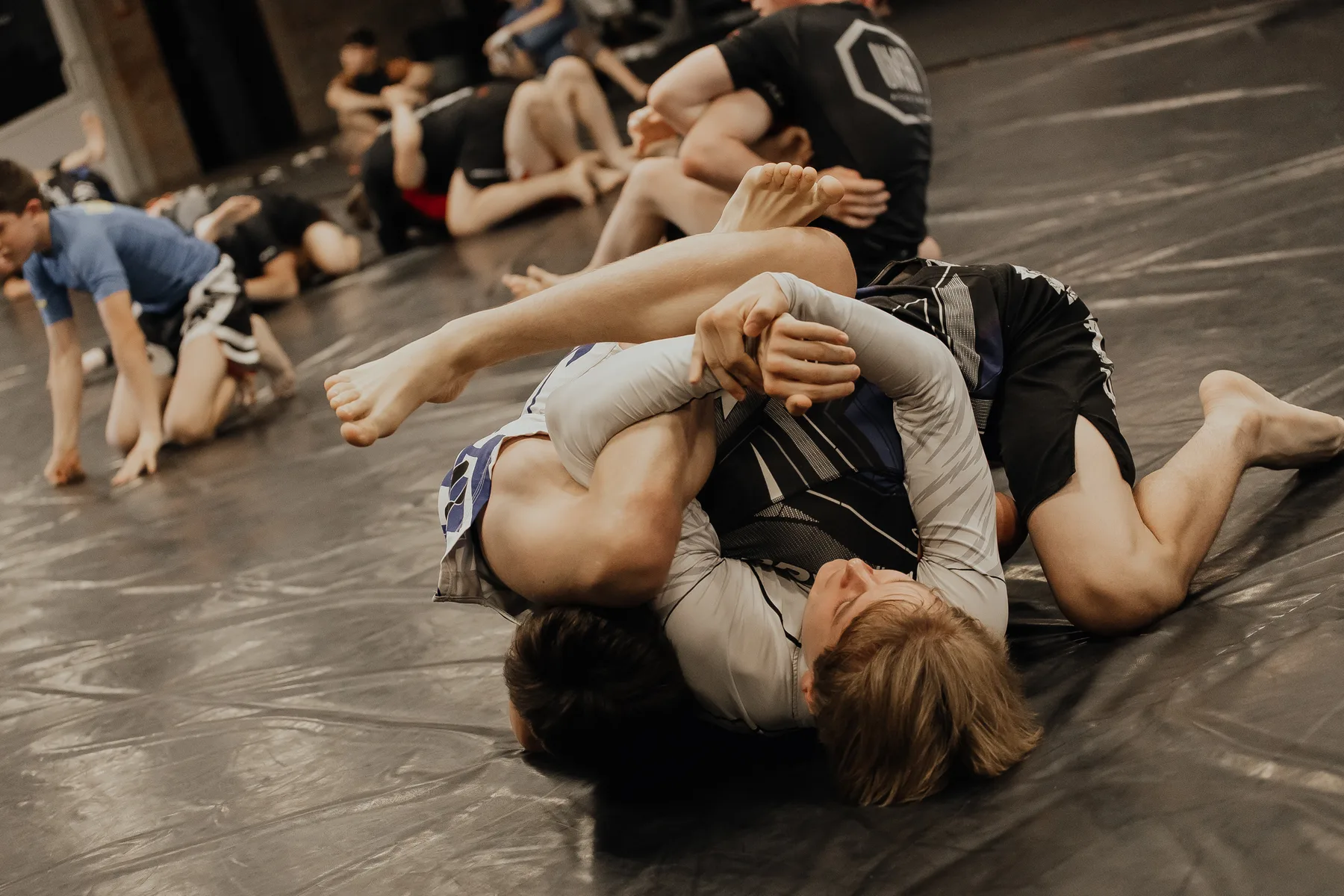
Most exchanges begin with grip fighting. Athletes use sleeves, lapels, the belt area, overhooks, underhooks, and body position to create a throwing lane. Clean, high-amplitude throws can be heavily rewarded, while less decisive takedowns may lead directly to mat control. Once grounded, the attacking athlete has a limited window to secure a hold-down or legal submission before the referee returns the action to standing. That time pressure makes the transition itself a scoring weapon.
Sambo athletes become comfortable attacking legs and arms from positions that a new grappler may initially treat as temporary. They also learn to fall safely, maintain balance while gripping, and protect their own limbs during scrambles. Exact point values, match duration, and permitted techniques depend on the current FIAS rules and the athlete's age category. A coach should translate those rules into tactical priorities before competition rather than asking the athlete to memorize a rulebook on event day.
How sambo differs from BJJ, judo, and freestyle wrestling
Compared with Brazilian jiu-jitsu, sport sambo usually places more immediate value on the throw and allows less time for extended ground development. Compared with judo, sambo offers a different uniform, stance, scoring system, and submission landscape. Compared with freestyle wrestling, it adds jacket grips and submissions while changing the consequences of exposing the back. These contrasts shape behavior: a strong sambo player connects upper- and lower-body attacks without treating standing and ground work as separate classes.
Cross-training can be productive when the athlete keeps the rule sets straight. A BJJ player may borrow sambo's entries and finishing urgency. A wrestler may learn how grips alter posture and distance. A judoka may gain new approaches to leg attacks and transition offense. The goal is not to declare one style superior; it is to understand which habits transfer, which need modification, and which are unsafe or illegal under another sport's rules.
Your first month of sambo training
A responsible beginner program starts with falling, movement, stance, grip safety, and a small set of reliable positions. Expect to repeat breakfalls, turning throws, foot sweeps, basic takedowns, pins, and submission escapes before hard sparring becomes the focus. A good room scales resistance so a newcomer can learn timing without being thrown into chaotic exchanges. Clean technique matters more than collecting dozens of moves.
Look for an instructor who can explain the rules, pairs athletes thoughtfully, and treats tapping as an immediate stop signal. Ask which jacket and shoes the club expects before buying equipment. If you have an injury, health condition, or uncertainty about participating, consult an appropriate licensed professional; a general training article cannot assess individual readiness. The right first goal is simple: train consistently enough to move safely, recognize the major positions, and enjoy returning for the next session.