Evaluate a youth BJJ, wrestling, judo, or sambo program by coaching, safety, class design, competition approach, communication, and child development.
The short version
- Look for age-appropriate instruction, clear supervision, safe partner matching, and visible safeguarding policies.
- Young athletes need movement literacy, technical fundamentals, and positive challenge more than adult-style intensity.
- Competition should remain optional, developmentally appropriate, and connected to the child's interest.
What a strong youth program is trying to build
A youth grappling program should build movement skill, confidence, cooperation, emotional regulation, and a healthy relationship with challenge. Technical goals matter, but they should fit the child's age and experience. Falling safely, controlling one's body, listening to a partner, and responding to a stop command are foundational achievements. Winning a match is only one possible outcome of the process.
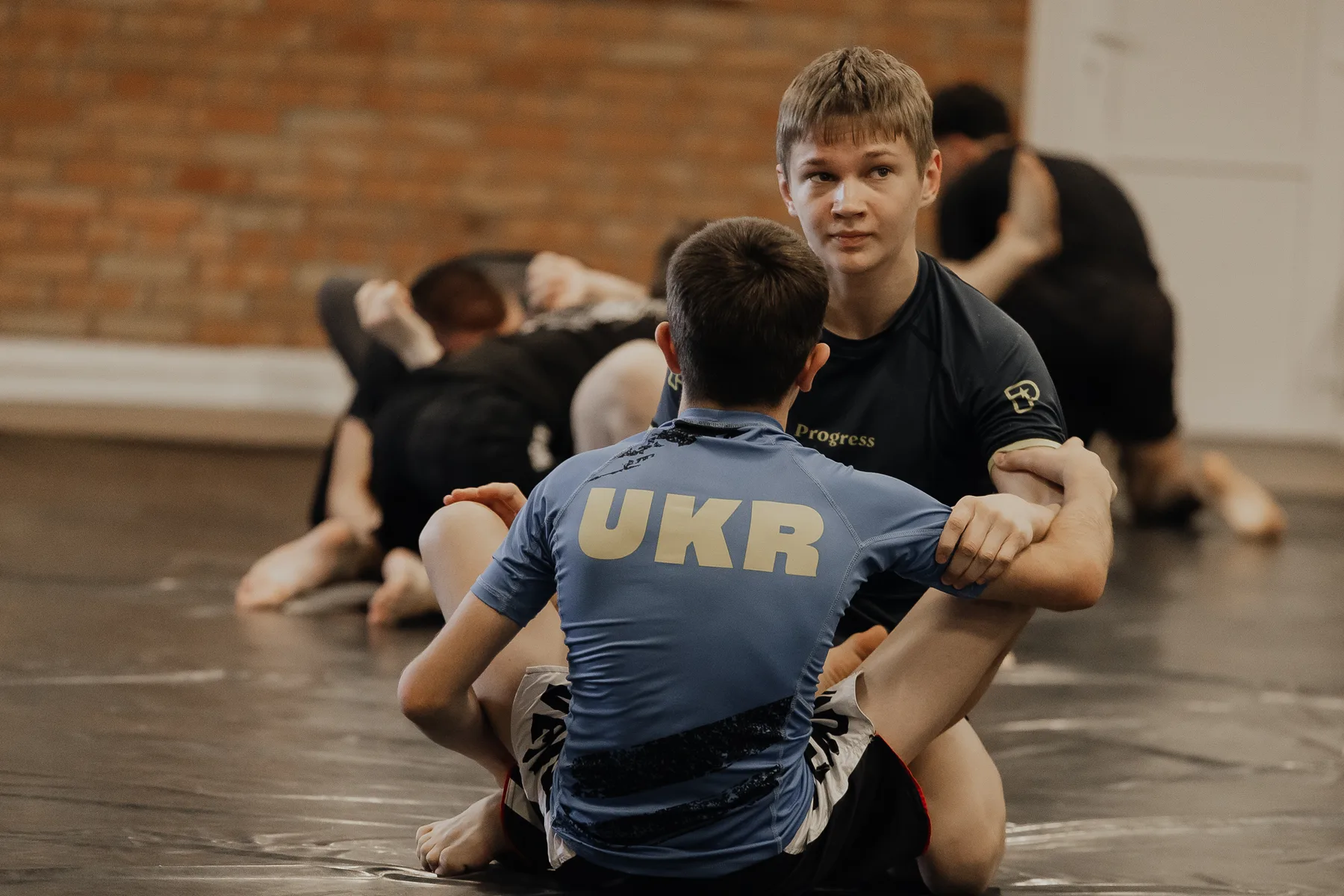
Ask the coach how the curriculum changes across age groups. Younger classes may use games to teach stance, balance, rolling, gripping, and boundaries. Older or more experienced athletes can handle greater technical detail and structured live work. A program that simply delivers an adult class to smaller bodies is missing important developmental context.
Safety and safeguarding are visible systems
Observe whether coaches can see the entire mat, match partners by size and experience, stop unsafe behavior immediately, and control entry to live training. The room should have clear hygiene practices, emergency procedures, and a process for reporting concerns. Ask about coach screening, safeguarding education, one-on-one interaction policies, and how parents communicate with staff. Credible organizations can explain these systems without defensiveness.
A child should know that tapping or saying stop ends the action. Coaches should not use humiliation, threats, unsafe weight loss, or pain as discipline. Any injury or health concern should be handled within professional scope, with medical evaluation when appropriate. No tournament result justifies ignoring a child's safety or voice.
What an age-appropriate class looks like
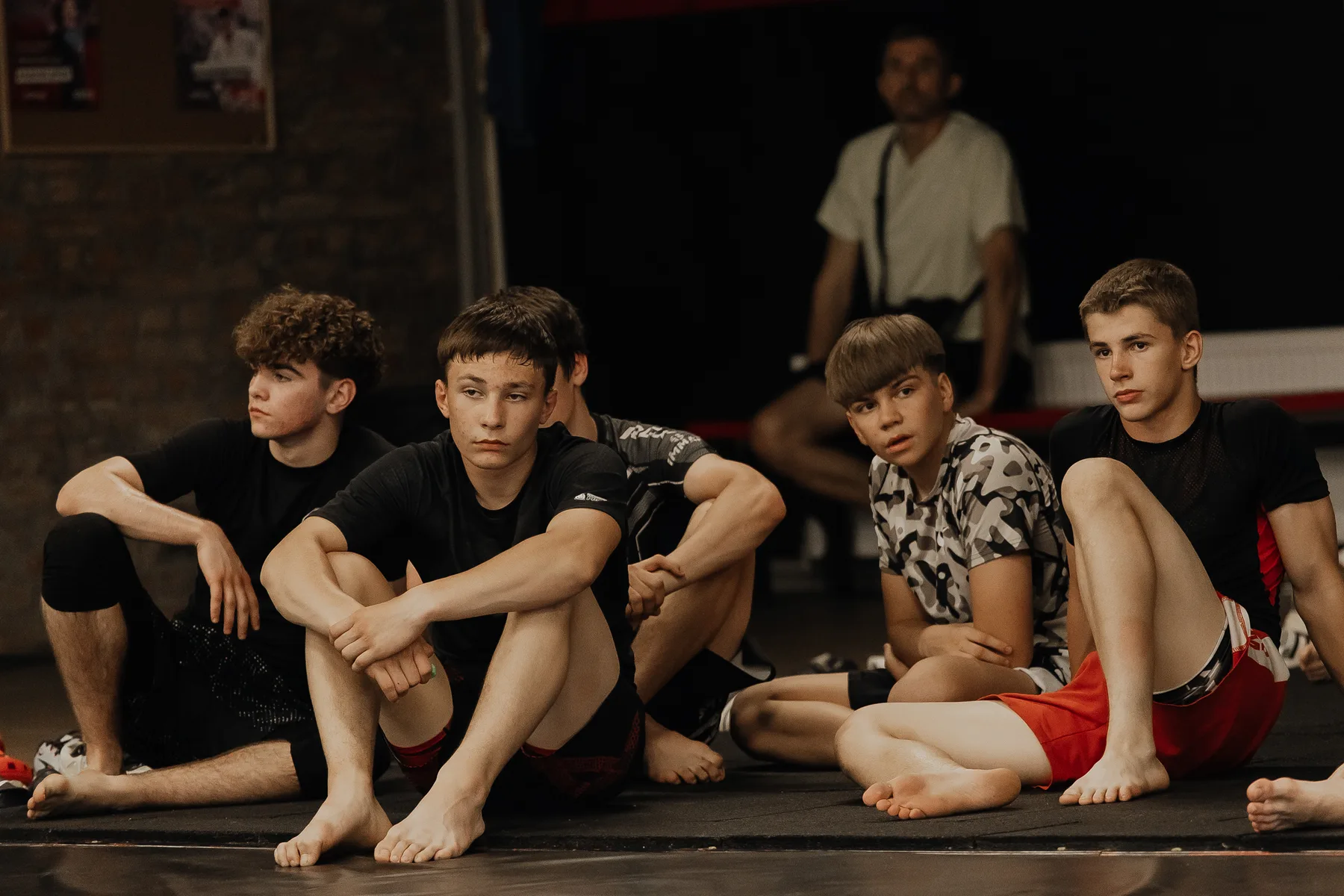
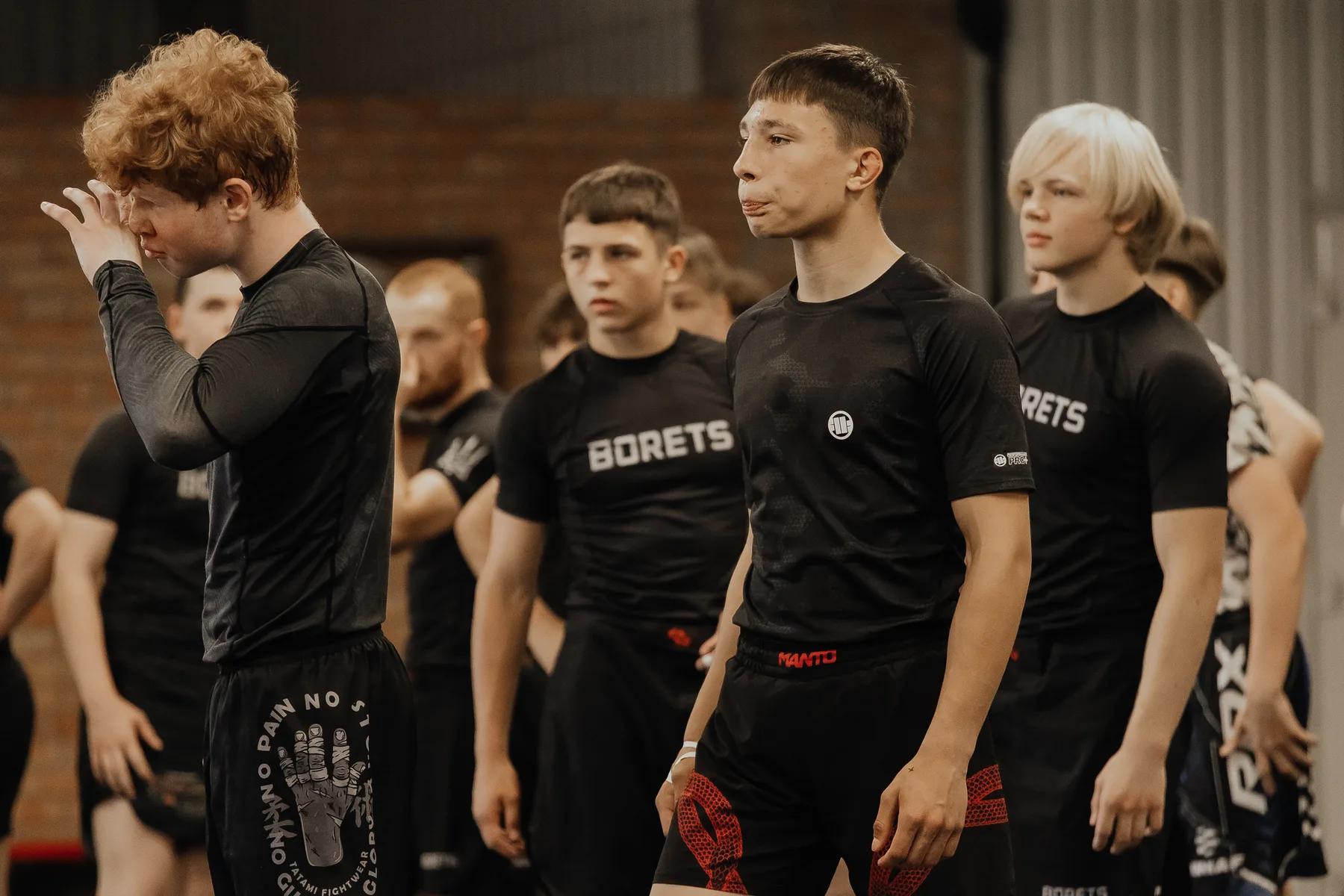
A well-designed class has a clear beginning, a limited technical theme, frequent activity, and transitions that children can follow. Instruction comes in short pieces, followed by supervised practice. Resistance increases gradually: cooperative repetition, constrained games, positional work, then live grappling when the athlete is ready. Coaches praise controllable behaviors such as attention, effort, safe execution, and helping a partner.
Children develop at different rates. A smaller, newer, or less assertive child should not be treated as a training tool for an advanced teammate. Likewise, a talented competitor still needs boundaries and varied partners. The program should offer meaningful progress for recreational children as well as those who choose competition.
Competition, weight, and the ride home
Competition can teach preparation, courage, sportsmanship, and emotional recovery, but it is not required for every child. Ask how the coach decides readiness and whether the child can decline. Young athletes should not be pressured into rapid weight loss or dehydration. Parents should follow qualified medical and nutrition guidance and the current rules of the organizing federation.
After an event, let the child lead the first conversation. Food, rest, and connection usually matter more than immediate technical analysis. Later, ask what felt fun, difficult, or surprising. Coaches can turn the experience into one or two learning goals. The parent's job is not to conduct a performance review in the car.
Questions to ask before enrolling
Ask who teaches the class, what training and screening they hold, how injuries and behavior are handled, and whether parents may observe. Ask how often children spar, what techniques are restricted by age, how promotions work, and what costs sit beyond tuition. Read the facility's policies rather than relying only on a sales conversation. A trial class should show the same culture the program describes.
Then watch your child over several weeks. Do they feel welcomed, know whom to ask for help, and show interest in returning? Some nervousness around a new activity is normal, but persistent fear or unexplained distress deserves attention. A quality program partners with families while preserving the child's dignity and long-term enjoyment of sport.
Primary references
Educational content only. This article does not diagnose injuries, prescribe medical treatment or replace a qualified coach or licensed healthcare professional who knows your situation.