 BORETS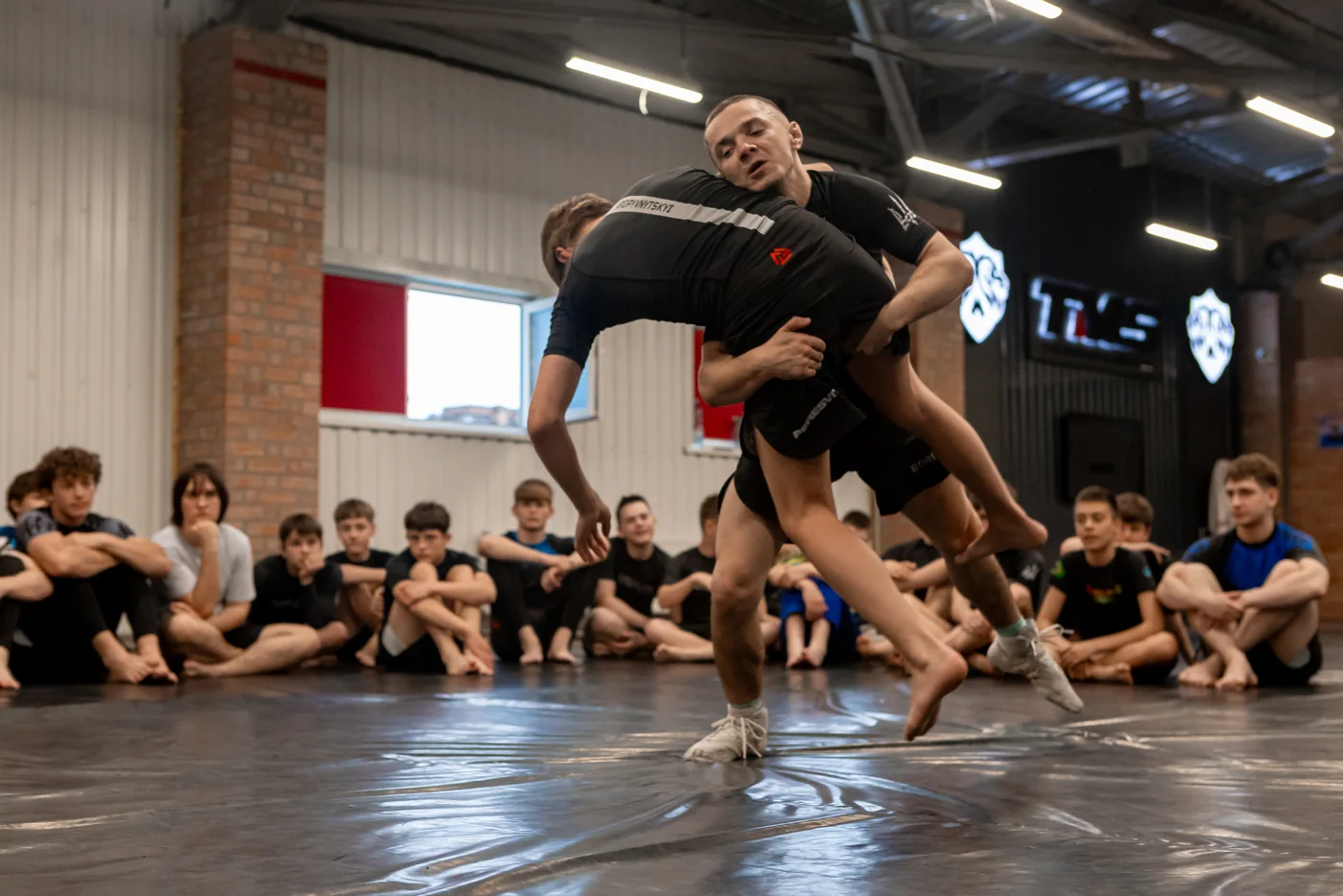
In this guide
Freestyle and folkstyle share leg attacks, hand fighting and the aim of controlling an opponent, but they reward different outcomes on the mat. This comparison uses UWW’s January 2026 freestyle rules and the NCAA men’s 2025–26/2026–27 rulebook. School, youth and women’s events need their own rule check; the college rules described here do not cover every American competition.
A takedown is not worth the same amount
NCAA folkstyle awards 3 points for a takedown. In UWW freestyle, a standard takedown is commonly 2; an action that brings the opponent directly into danger can be 4 under the relevant criteria. A qualifying grand-amplitude throw into direct danger is worth 5. The action’s details determine the freestyle value, not simply the technique’s name.
When comparing two clips, ask where the defender landed, whether the action was continuous and what control followed. Calling both movements a double leg does not settle the score. This is why a familiar attack can create a different tactical opportunity when performed under another ruleset.
Escaping is a scoring task in folkstyle
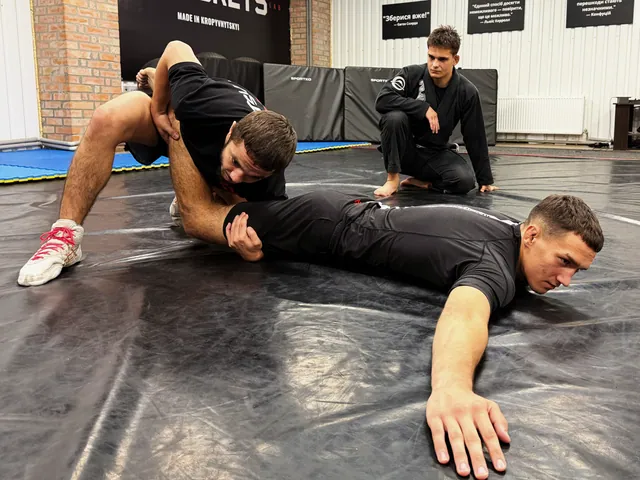
In NCAA folkstyle, an escape earns 1 point and a reversal earns 2. The bottom wrestler has a direct incentive to break control or take over control. The top wrestler works to prevent that while developing scoring opportunities. Simply holding position is not a complete explanation of good top wrestling; stalling rules still apply.
Freestyle does not award a folkstyle escape point merely for returning to the feet. A folkstyle athlete crossing over therefore needs to understand what makes a ground exchange productive under freestyle rules. Do not assume that the same bottom sequence carries the same reward just because the final standing position looks familiar.
Exposure and near fall reward different sequences
Freestyle can award 2 points for exposing the opponent’s back to the mat. NCAA near-fall scoring uses its own control, position and count requirements, with 2, 3 or 4 points. Passing through danger during a scramble can therefore have a different cost in freestyle even when the wrestler is not pinned.
A pin can end the match in either style, but exposure points are not the same thing as a pin. When learning the difference, pause a replay before the turn and predict what each athlete is trying to prevent. Then compare the official score and the position that remains after the action.
Control time and the boundary change decisions
NCAA awards a riding-time point for at least one minute of net advantage under its rules. Freestyle has no equivalent riding-time score. Freestyle also has a standing step-out rule that can award the opponent a point, subject to the action and exceptions. NCAA does not use that same automatic step-out system; boundary and stalling decisions follow its own rules.
Change the practice objective before changing your whole game
Choose one crossover problem: protecting exposure during a scramble, finishing near the edge or developing top control after a takedown. Agree on the rules before a positional round and score only that problem. Reuse your familiar mechanics while learning what the new scoring system rewards. Mixing rules halfway through makes both practice and feedback unreliable.