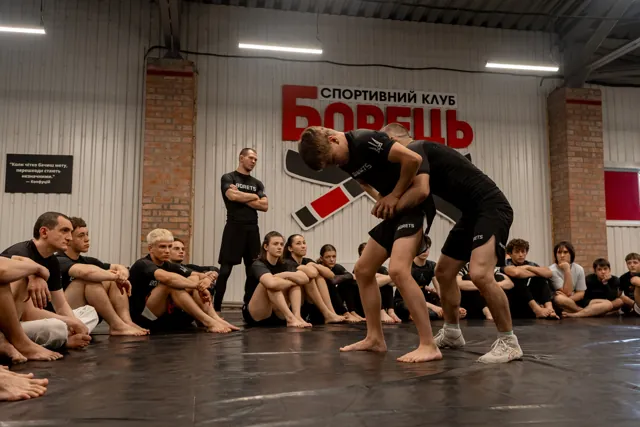
 Freestyle wrestling
Wrestling for BJJ
Build a standing game for BJJ: stance, single and double legs, arm drags, gi and no-gi grips, and a practice sequence that connects the takedown to control.
 BORETSLAB
Freestyle wrestling starts before the shot: stance, distance, contact and balance shape the opening. Learn the rules that reward particular actions, then explore how wrestling skills transfer to submission grappling. A takedown is a sequence of decisions, not just a move to memorise.
Freestyle wrestlingBuild a standing game for BJJ: stance, single and double legs, arm drags, gi and no-gi grips, and a practice sequence that connects the takedown to control.
 Freestyle wrestling
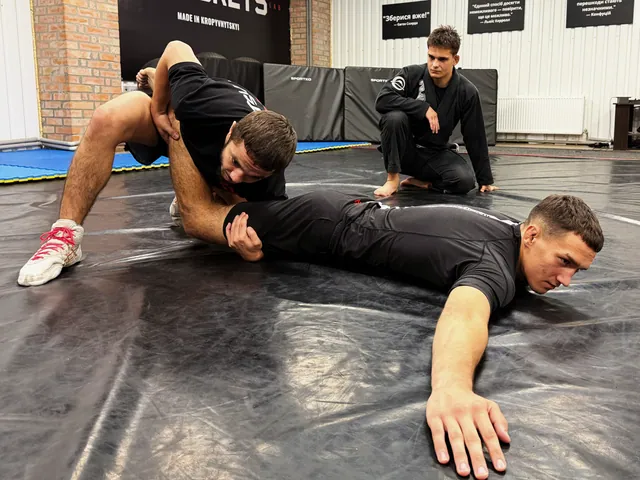
A beginner’s guide to UWW freestyle wrestling rules: how to read scoring, recognize a fall and understand the differences from Greco-Roman wrestling.
 Freestyle wrestling
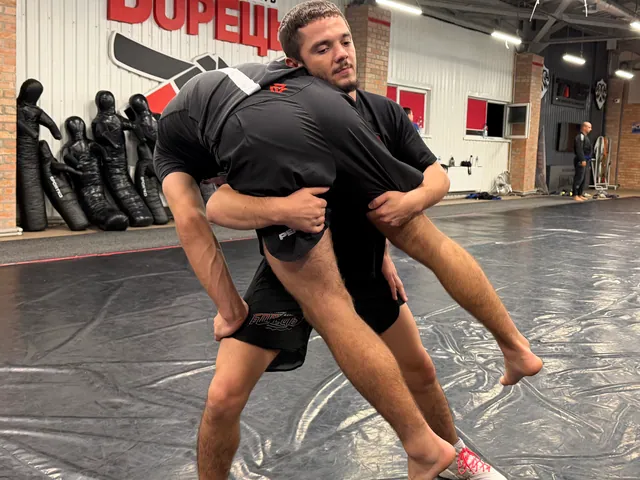
Learn how to study a freestyle double-leg takedown: starting distance, level change, leg connection, finishing angle and controlled partner practice.
 Freestyle wrestling
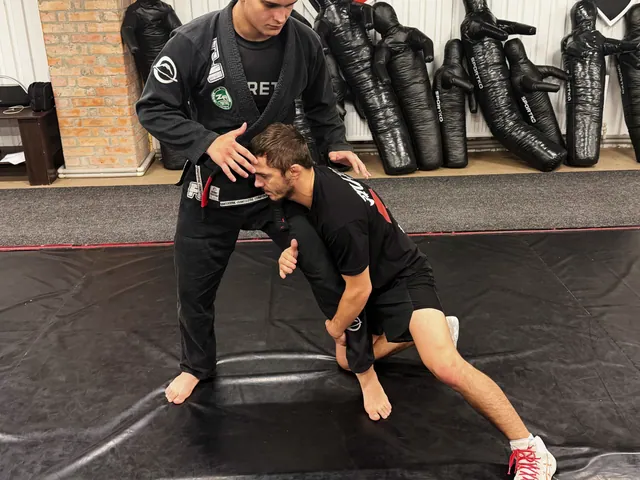
A freestyle single-leg guide to entries, head and hip position, controlling the captured leg and responding to the defender’s balance.
 Freestyle wrestling
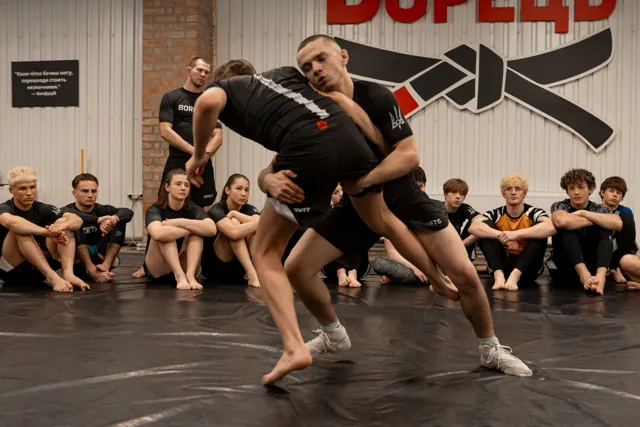
Understand the high-crotch entry in freestyle wrestling, including distance, outside head position, posture and the transition to a double leg.
 Freestyle wrestling
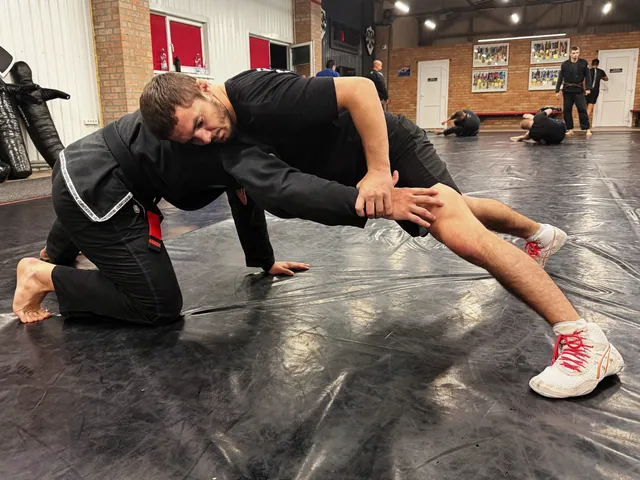
Study the sprawl as part of takedown defence: early contact, hip position, foot recovery and a controlled transition around the attacker.
 Freestyle wrestling
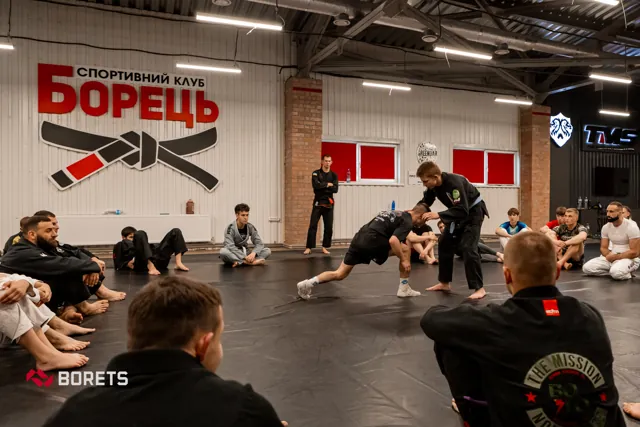
A standing arm-drag guide for freestyle wrestling: grips, footwork, reactions and the connection from clearing an arm to controlling the hips.
 Freestyle wrestling
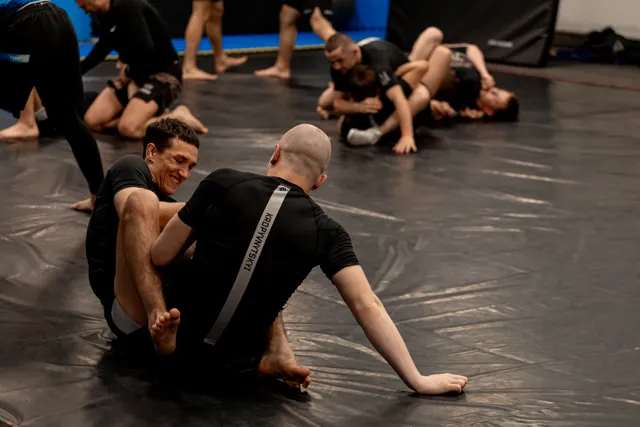
Study the freestyle snap-down as a controlled change of posture, then connect front-headlock control to footwork and a go-behind.
 Freestyle wrestling
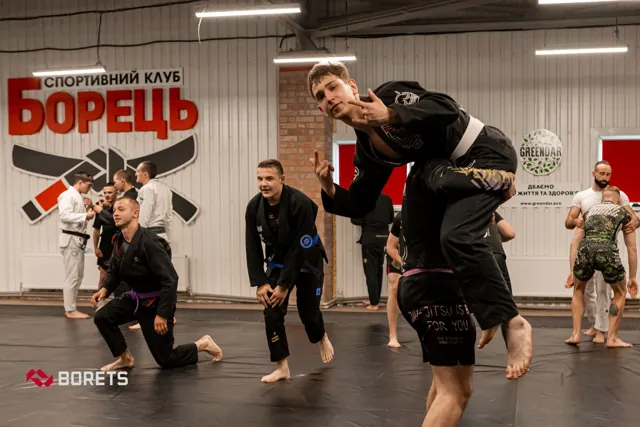
Learn what makes an underhook useful in freestyle wrestling: stance, shoulder contact, head position, reactions and the choice of a next attack.
 Freestyle wrestling
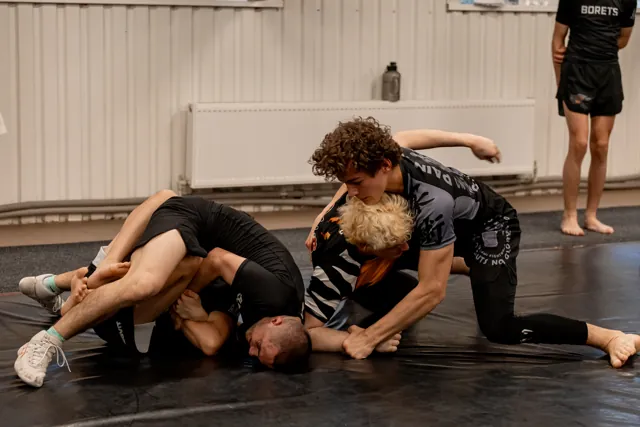
A freestyle body-lock guide to entering close range, controlling posture, finding an angle and practising a low, controlled finish.
 Freestyle wrestling
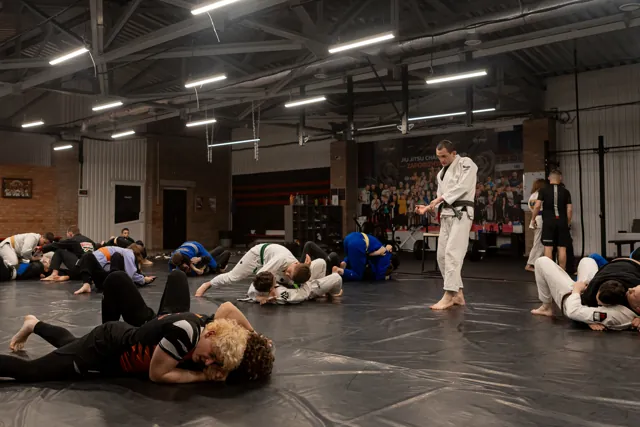
Understand mat-return decisions from rear control: connection, footwork, a controlled landing route and a grounded beginner progression.
 Freestyle wrestling
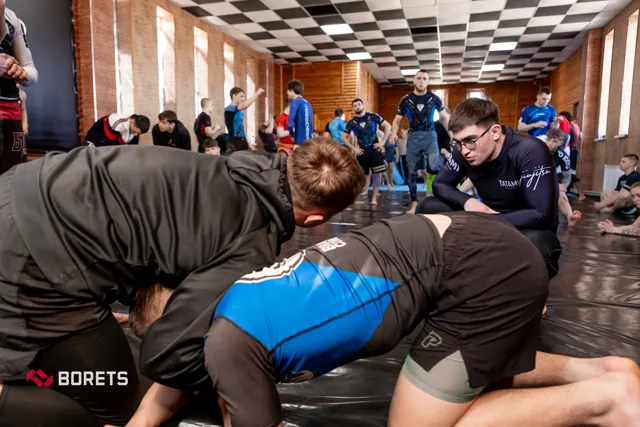
Understand the freestyle gut wrench through waist connection, hip position and a controlled turning sequence, with practical drills and common mistakes.
 Freestyle wrestling
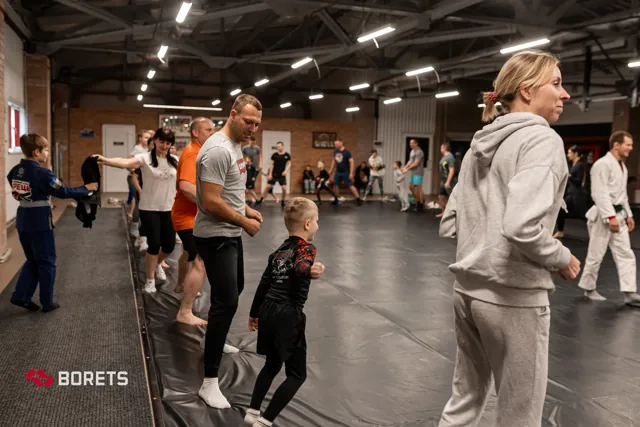
Choose a beginner wrestling group by its movement tasks, partner matching and contact progression, rather than a universal starting age or early tournament results.
 Freestyle wrestling
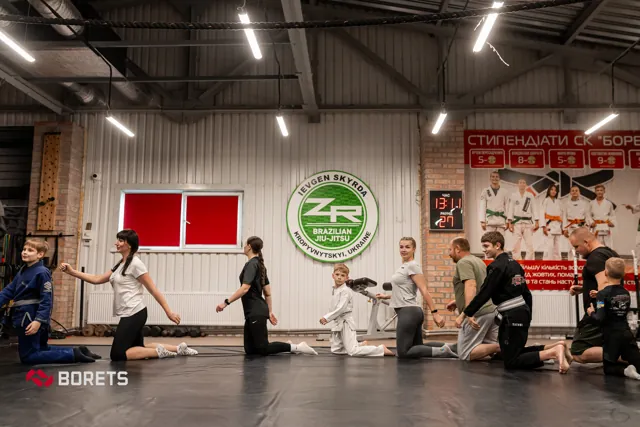
Three simple stance games teach children to move, stop and change direction while keeping a useful wrestling position.
 Freestyle wrestling
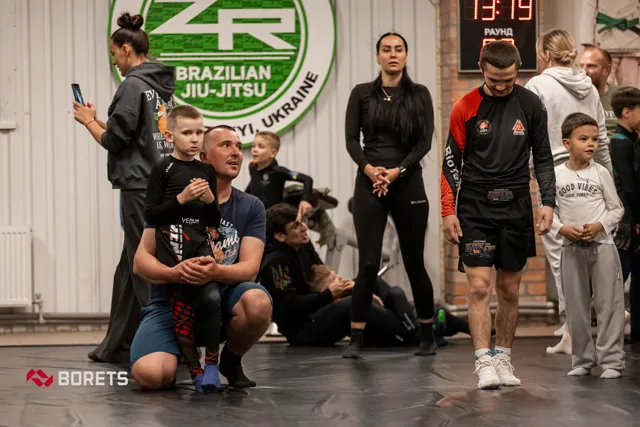
How a beginner’s lesson separates stance, entry, controlled contact and defensive movement, with clear tasks for both children.
 Freestyle wrestling
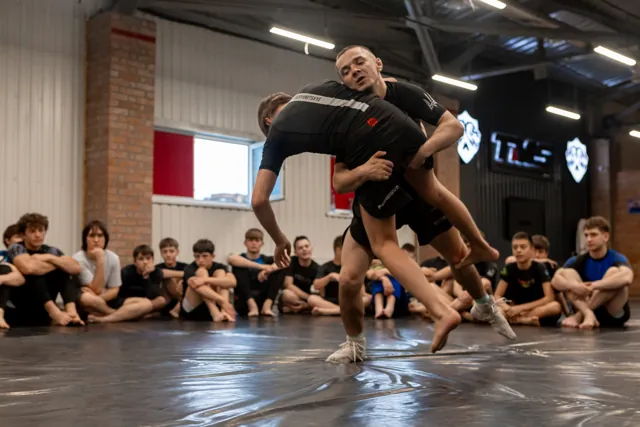
Compare current UWW freestyle with NCAA men’s folkstyle: takedowns, exposure, escapes, control and the habits that need to change.
 Freestyle wrestling
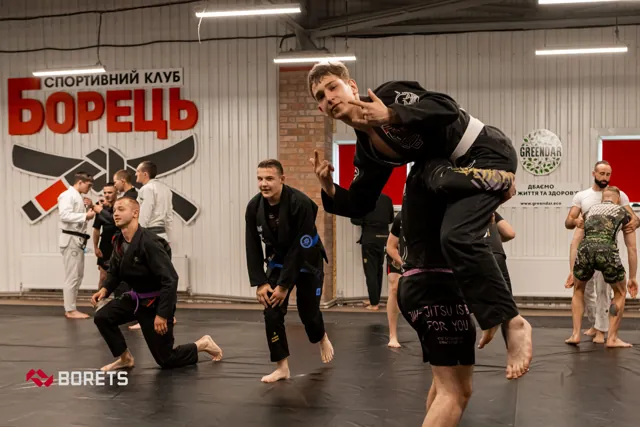
Build a mobile wrestling stance, step without losing the base and connect level changes to an opponent’s position.
 Freestyle wrestling
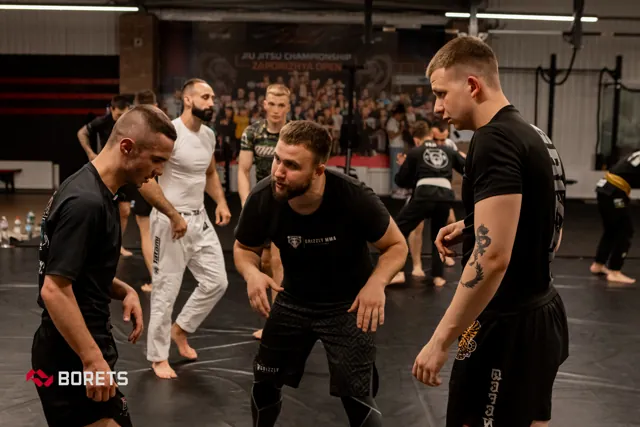
A home practice plan for stance, controlled entries and movement review, with a clear boundary between solo rehearsal and live wrestling.
 Freestyle wrestling
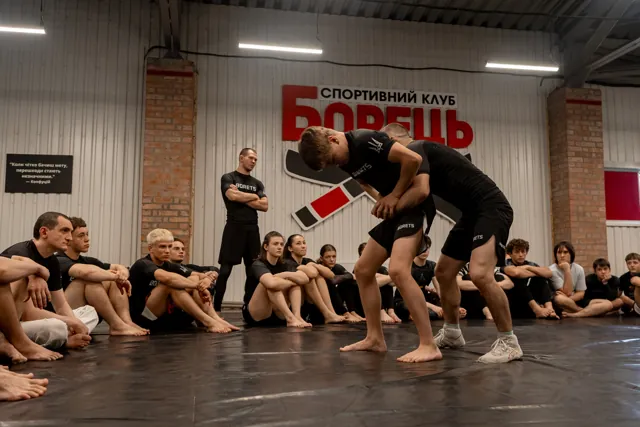
How an adult beginner can find wrestling instruction, distinguish club options and evaluate a first session without assuming scholastic access.
Freestyle wrestlingUnderstand the ankle pick: create a reachable foot, coordinate upper-body control, practise a controlled finish and adapt the position to BJJ rules.
Freestyle wrestlingLearn the purpose of a wrestling duck-under, how the setup and footwork connect, and how to practise reaching rear control before adding a finish.
Freestyle wrestlingOrganise wrestling practice with solo movement, partner tasks, controlled entries and short rounds. Includes a practical 20-minute drill block.
Freestyle wrestlingA guide to folkstyle wrestling: takedowns, escapes, reversals, riding time, near fall and how its rules and habits differ from freestyle and BJJ.
 Freestyle wrestling
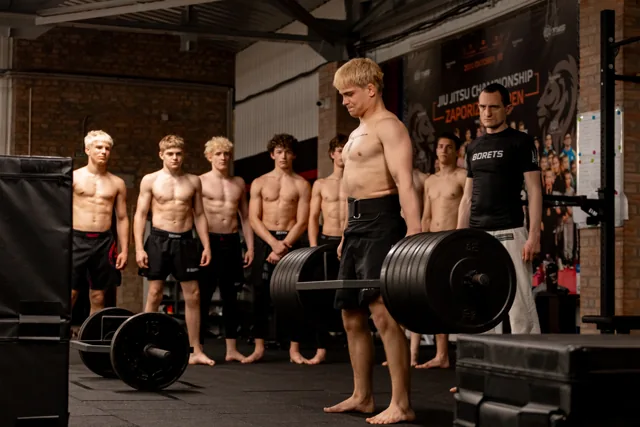
Adult wrestling strength examples for three off-season days or two shorter in-season sessions, with sets, reps, progression and home alternatives.