 BORETS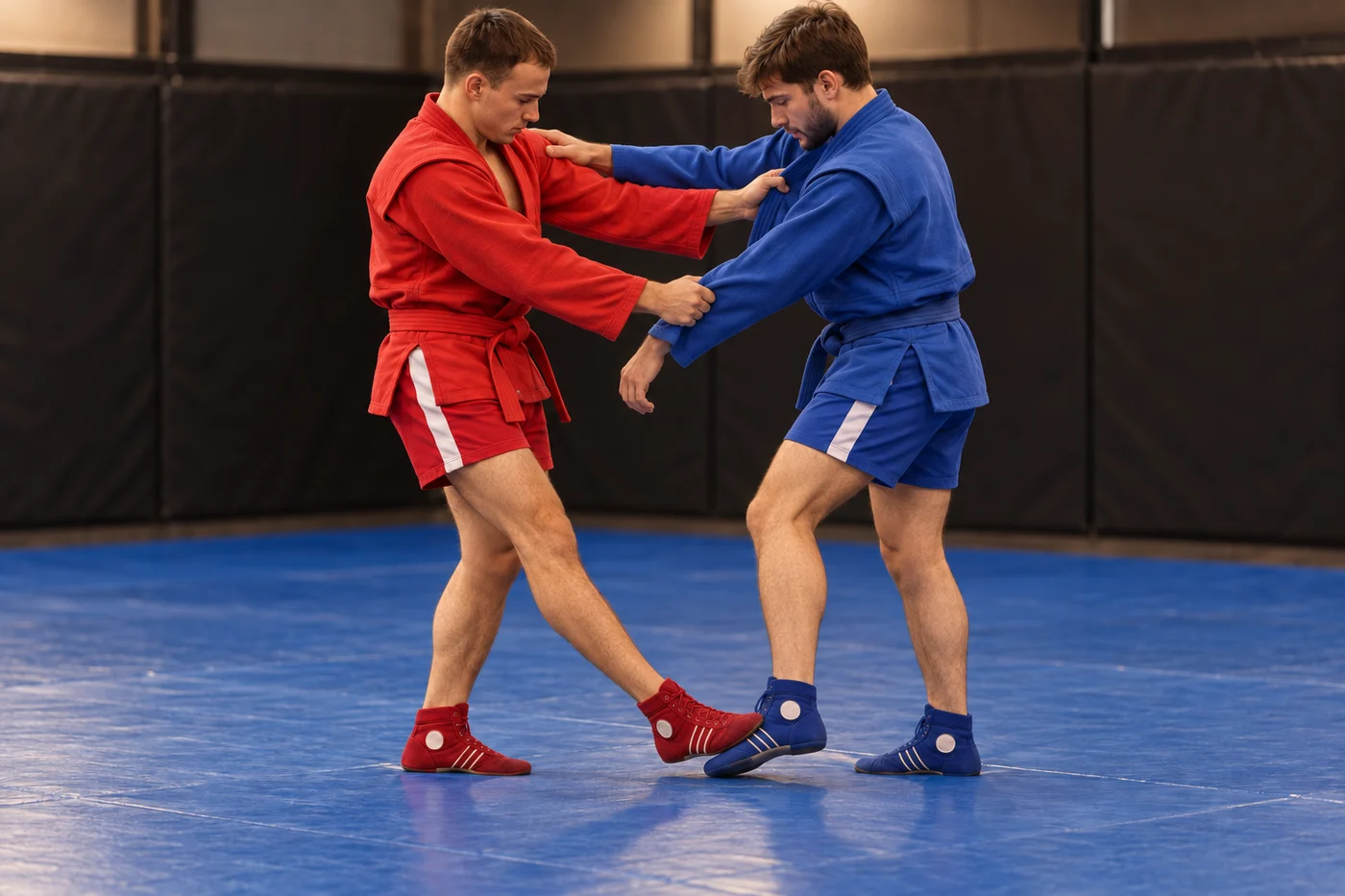
In this guide
A clean foot sweep often looks small because the attacker catches a changing support rather than trying to move a firmly planted leg. That makes the technique easy to underestimate. The useful skill is recognizing a step and coordinating the upper body with the foot contact. Repeating the visible leg movement alone leaves out most of the problem.
Identify the sweep and the direction
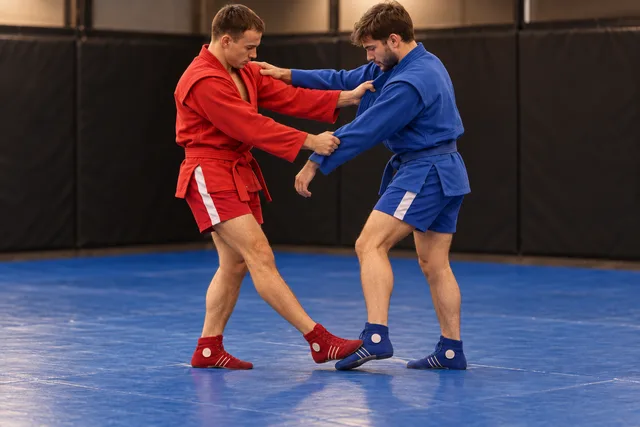
The FIAS technical curriculum includes a side foot sweep using the instep. IJF’s de-ashi-harai is another useful reference: its description centers on the instant a stepping foot is about to take weight. These are specific examples. Not every action casually called a “sweep” has the same contact, direction or timing.
Before practicing, name which foot is being attacked and whether the partner is moving forward, backward or sideways. Observe the full step before focusing on the attacker’s foot. An isolated close-up can show the contact accurately while hiding the movement that made that contact effective.
Read the transfer of weight
There is a meaningful difference between a foot moving into support and a foot already carrying settled body weight. A late attempt may feel as though the opponent’s leg is fixed to the mat. More impact does not recreate the earlier opportunity; it can turn a timing exercise into kicking a planted limb.
Ask a partner to repeat one predictable step at a comfortable pace while you observe, without attempting the sweep. Then let the coach identify the intended contact moment for the chosen version. Being able to describe “before the weight settled” is more useful than saying the sweep worked because it was fast.
Hands and foot must describe the same action
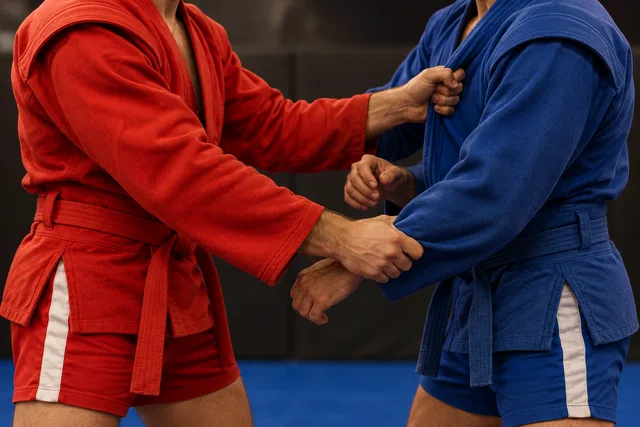
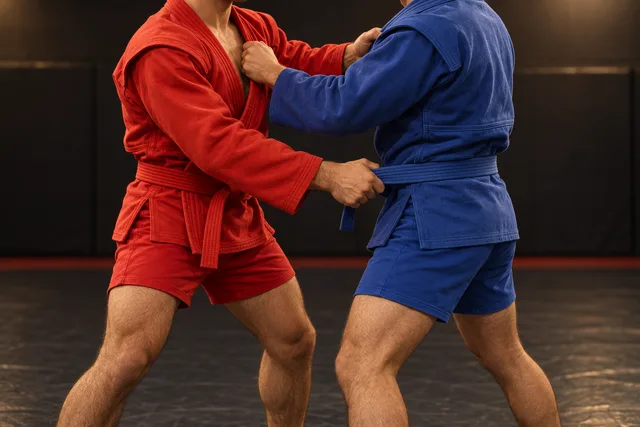
A sweeping foot does not work independently of the grips and the partner’s upper body. If the hands stop the intended movement while the leg tries to continue it, the attacker may create their own resistance. Watch whether the shoulders and the stepping foot still belong to the same developing imbalance.
Compare an entry with relaxed, purposeful jacket control to one where the attacker stiffens both arms. Keep the step and contact task unchanged. The question is whether the grip helps recognize and guide movement or freezes it prematurely. Do not solve a coordination problem by making the leg action larger.
Test recognition without forcing a fall
Begin with an agreed step and a coach-defined contact task that does not require completing the throw. A successful repetition identifies the correct foot and moment while both partners stay in control. If the timing is missed, allow the step to finish and reset. The missed window is information, not a reason to chase the ankle.
Once the partners can receive the selected sweep safely, the coach can add controlled completions and limited variation in the step. Change one condition at a time. Random movement, hard gripping and full throwing resistance introduced together make it difficult to identify why an attempt succeeded or failed.
Use the reaction without inventing a combination
A defended foot sweep may still reveal how the opponent recovers balance. Perhaps they shorten a step, change stance or move their weight away. Record the actual response before choosing a second attack. A written “sweep, then throw” sequence is incomplete if the first action never produces the position needed for the second.
For grappling transfer, repeat the observation with the permitted no-gi contacts instead of assuming a jacket grip has a direct replacement. Study the landing and the next control as well as the sweep itself. The aim is a repeatable decision based on the partner’s movement, not a collection of dramatic falls.