 BORETS
In this guide
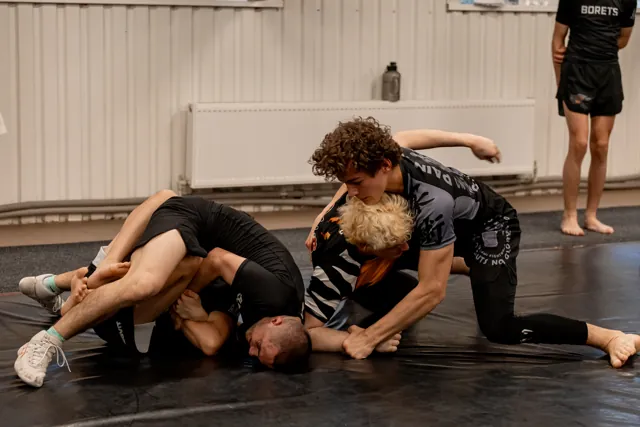
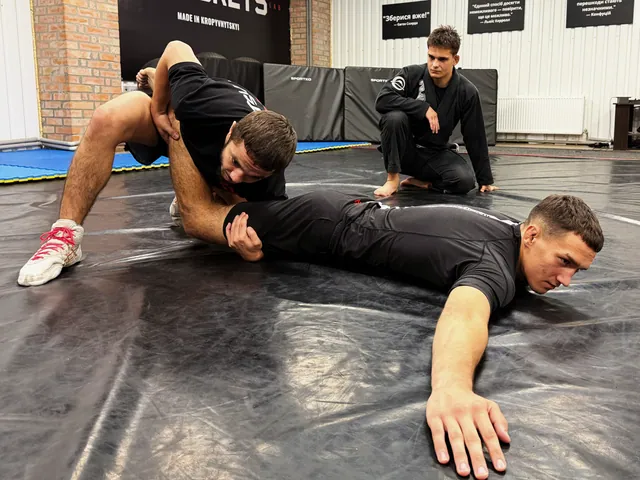
A mat return brings an opponent back toward the mat after they have risen while you remain connected behind or beside them. It is a problem of maintaining position through a change of height. The term is common in American wrestling instruction, but the learning task also matters in freestyle exchanges. Begin with a grounded return in which both partners understand the direction of movement and the intended landing.
Follow the rise before choosing the return
From rear control, notice when the opponent begins to build a base and stand. Adjust your feet and height so you remain connected to their hips instead of hanging from the waist with your feet far behind. Keep your own spine organised and your head clear of sudden backward movement. If the opponent turns far enough that you no longer have a useful rear angle, recognise the new position. Trying to perform the original return after losing that relationship can turn the exchange into an uncontrolled scramble.
Agree a landing route before adding resistance
For the first version, have the coach show a low route toward the side with the receiver able to lower their centre and follow the movement. Rehearse that descent separately before joining it to the standing control. The receiver should know where the knees, hips and arms will go. Avoid making a locked, outstretched arm the landing support. A return is not ready for resistance if the partner repeatedly has to improvise a fall. Slow the movement down until both can describe its path.
Use the feet to move the base
Keep your connection close and use stepping and a coach-selected block or redirection to alter the opponent’s support. The goal is a controlled change of balance, with their torso and hips travelling together. Do not pull the upper body backward while leaving a knee trapped underneath a fixed foot. If the chosen direction is blocked, re-establish movement or reset the drill. Forcing the same route after the defender changes their base is a different action from the controlled return you agreed to practise.
Maintain control after the descent
Follow the opponent toward the mat while preserving your own base. Adjust the grip as necessary so you do not land on a trapped arm or continue squeezing after the position has changed. Once the defender is down, identify a stable top relationship rather than remaining attached to a waist grip that no longer serves a purpose. The defender’s next task can be to face you or rebuild the base. That makes the return part of continuing wrestling instead of a repetition that ends at impact.
Do not confuse a practice task with automatic points
Freestyle, folkstyle and submission grappling do not evaluate every standing-to-ground exchange in the same way. Use the rules of the actual event when reviewing whether a particular return scores and how control or exposure affects that assessment. UWW’s international rules are the reference for UWW freestyle competition. In the training room, first make the action controllable and recognisable. A claimed point value should never become the reason to complete a descent after the partners have lost the agreed position.
Separate grounded learning from lifting skills
Practise following a cooperative stand-up, walking in rear control, releasing safely and completing the low return as separate stages. Add only one defensive change at a time. Children and beginners can learn the entire sequence with no lift and no backward arch. Elevated returns require a separate coach-led progression with appropriate partners and landing preparation. For this drill, record whether you stayed connected during the rise, selected an available direction and finished with control. Height and impact are not the measures of a good repetition.