A practical BJJ beginner guide covering first-class etiquette, essential positions, gear, sparring, safety, and a realistic 90-day learning plan.
The short version
- Learn positional priorities and safe behavior before chasing a large move collection.
- Tap early, keep nails trimmed, wear clean gear, and tell the coach about relevant limitations.
- Two or three consistent sessions a week can build a strong beginner foundation.
Before your first class
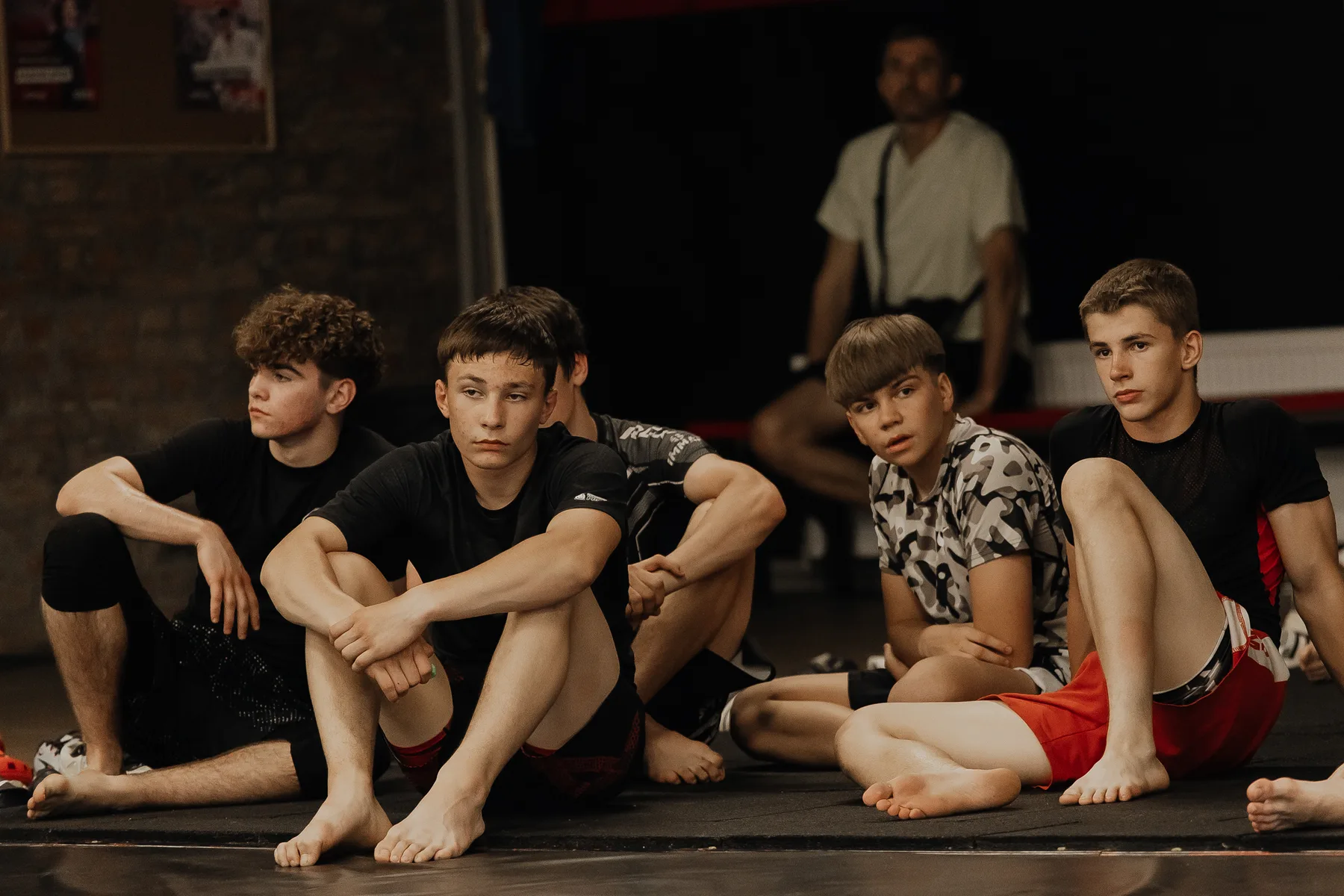
Contact the academy and ask whether the first class is gi or no-gi, whether a loaner uniform is available, and when beginners should arrive. For no-gi, most gyms expect a fitted athletic top and shorts without pockets, zippers, or hard hardware. Remove jewelry, trim fingernails and toenails, and bring water and sandals for walking off the mat. Clean gear and basic hygiene are part of protecting the whole room.
Tell the instructor privately about relevant injuries, health conditions, or mobility limitations. The coach can modify training, but cannot diagnose whether participation is medically appropriate. If you are unsure about readiness, ask a licensed healthcare professional who knows your history. You do not need to get in shape before starting; the class itself should be scalable, and your pace can build over time.
Learn the map before collecting techniques
A beginner often experiences BJJ as a blur because every grip and direction is new. Build a simple positional map: standing, guard, side control, mount, back control, and turtle. Learn which athlete is generally advantaged, what the immediate dangers are, and what a safe first objective looks like. That map lets individual moves connect to a decision instead of becoming isolated choreography.
Prioritize posture, frames, base, elbow position, breathing, and escapes. These skills may feel less exciting than a new submission, but they create more training time because you can survive calmly and recognize opportunities. One dependable escape and one dependable attack from each major position are enough for an excellent first phase. Add complexity only after you can identify where you are.
How to roll without becoming the dangerous beginner
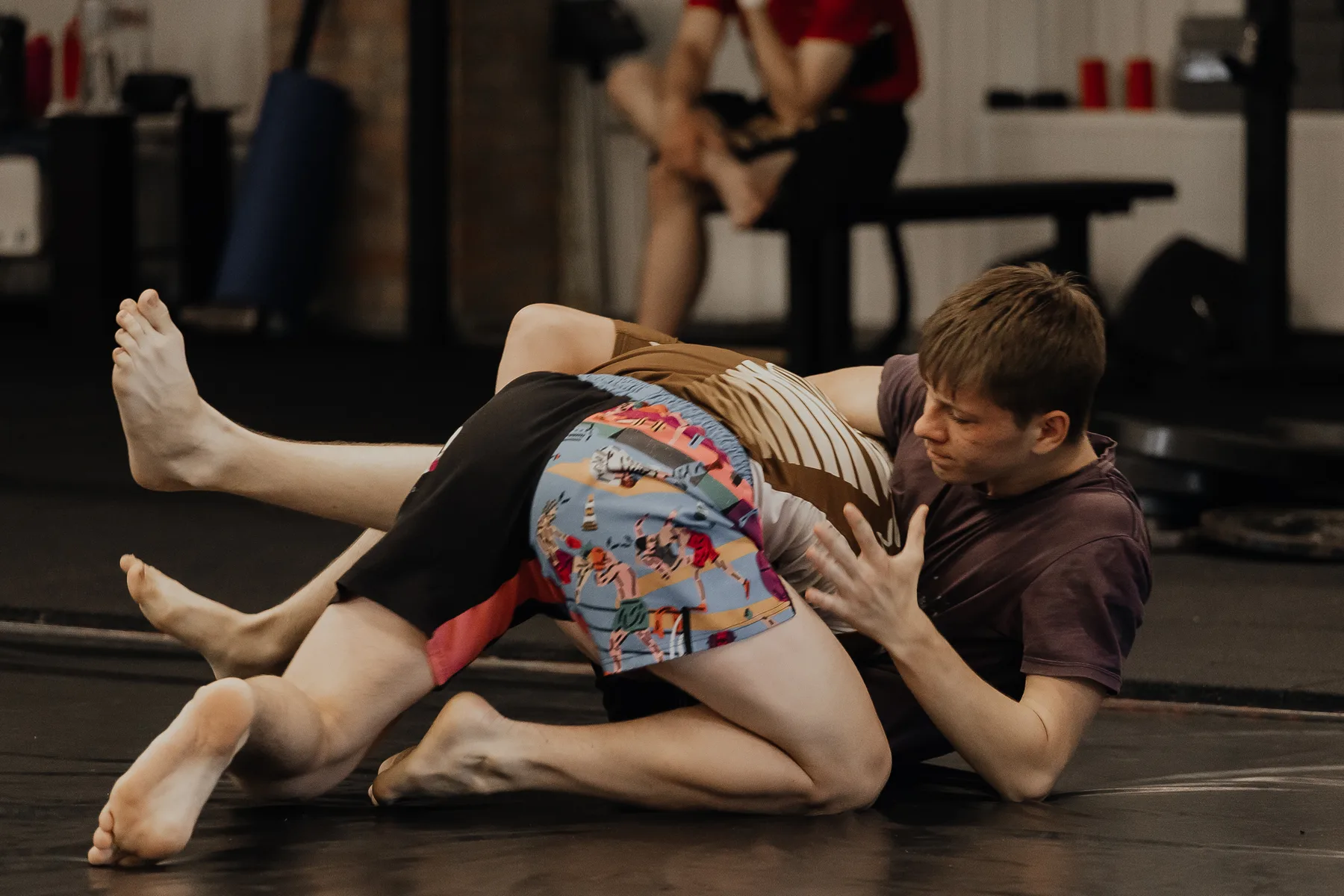
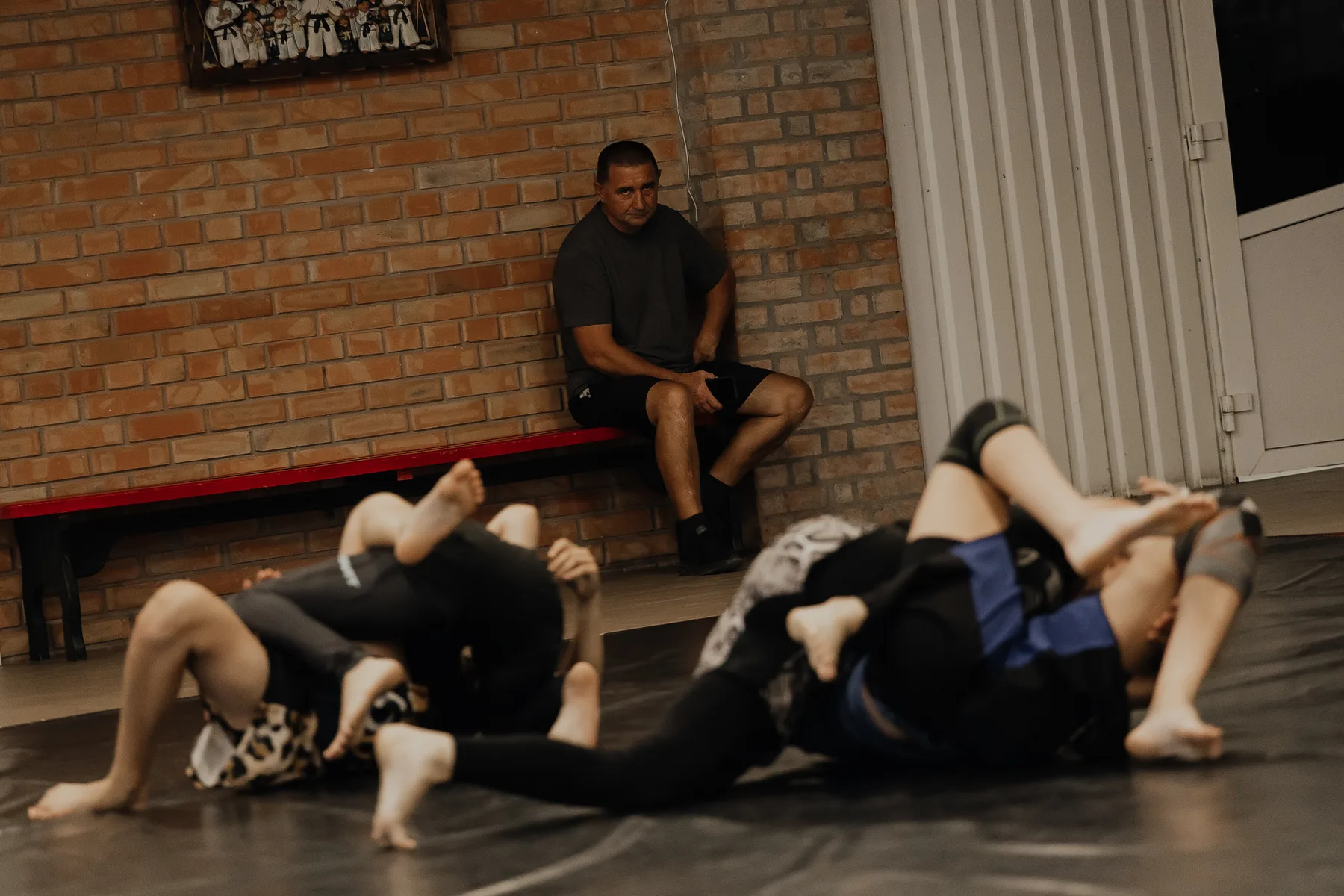
Sparring is cooperative resistance, not a test of character. Match your pace to the partner, avoid uncontrolled twisting, and never apply a submission faster because it is failing. Tap with your hand, foot, or voice as soon as you cannot safely solve the position. Release immediately when a partner taps. A good round can be one in which you stayed composed, escaped once, or remembered a detail from class.
Strength is not forbidden, but it should support a technical choice. Constant full-body tension exhausts you and makes movement less predictable for both athletes. Ask experienced partners for one piece of feedback after the round rather than a complete review. If a pairing feels unsafe, stop and speak with the coach; choosing a different partner is a normal training decision.
A realistic 30-, 60-, and 90-day plan
In days 1 through 30, learn names, class routines, breakfalls, tapping, and the major positions. In days 31 through 60, connect one escape to one guard or top position and begin tracking why you lose position. In days 61 through 90, build a tiny game: one preferred standing entry, one top pathway, one bottom recovery, and one controlled submission. This is a direction, not a belt test.
Train two or three times weekly if that schedule lets you recover and return consistently. Keep notes brief: the position, the problem, and one cue for next time. Wash equipment after every class, sleep as reliably as your life allows, and avoid comparing your timeline with another beginner's. Ninety days of steady, safe practice will not make anyone complete, but it can turn an unfamiliar mat into a place where learning feels structured.