Compare BJJ, sambo, and judo by rules, takedowns, ground work, submissions, gear, and crossover value for MMA and self-development.
The short version
- BJJ generally gives athletes the most time to develop ground positions and submission chains.
- Judo centers decisive throwing and fast transition work under a highly specific gripping and scoring system.
- Sambo connects jacket wrestling, varied throws, and submission attacks with its own fast competitive rhythm.
Start with rules, not style stereotypes
BJJ, sambo, and judo share techniques because all three live in the same grappling world. You will see hip throws, foot sweeps, pins, armlocks, escapes, and positional control across their mats. The key differences come from incentives: what scores, how long action continues, which grips and submissions are legal, and how a match can end. Those incentives shape the posture, pace, and decision-making that each style develops.
Comparisons become unhelpful when they rely on a single athlete or viral clip. A BJJ academy with a strong wrestling program may produce better takedowns than a recreational judo club; an elite judo room may have more sophisticated ground transitions than an average no-gi class. Evaluate the actual coaching and training partners available to you while using the rule sets to understand the typical emphasis.
Standing skills and the first scoring exchange
Judo is built around creating a decisive throw in the judogi under detailed gripping and attack rules. Its upright movement, explosive entries, and foot sweeps can become extremely refined. Sport sambo also rewards strong throws but uses a different jacket, permits different gripping patterns, and includes attacks that change stance and distance. BJJ awards takedowns, yet many competitions devote more time to the positional battle that follows, and guard pulling is a strategic option under common formats.
For an athlete who loves stand-up exchanges, judo and sambo usually provide more repetitions per week in that phase. For someone focused on MMA, wrestling integration matters because strikes and the cage alter every jacket-based entry. BJJ can still be the right home if the academy teaches serious stand-up work. The label matters less than whether the room repeatedly trains the situations your goal requires.
Ground time, pins, and submissions
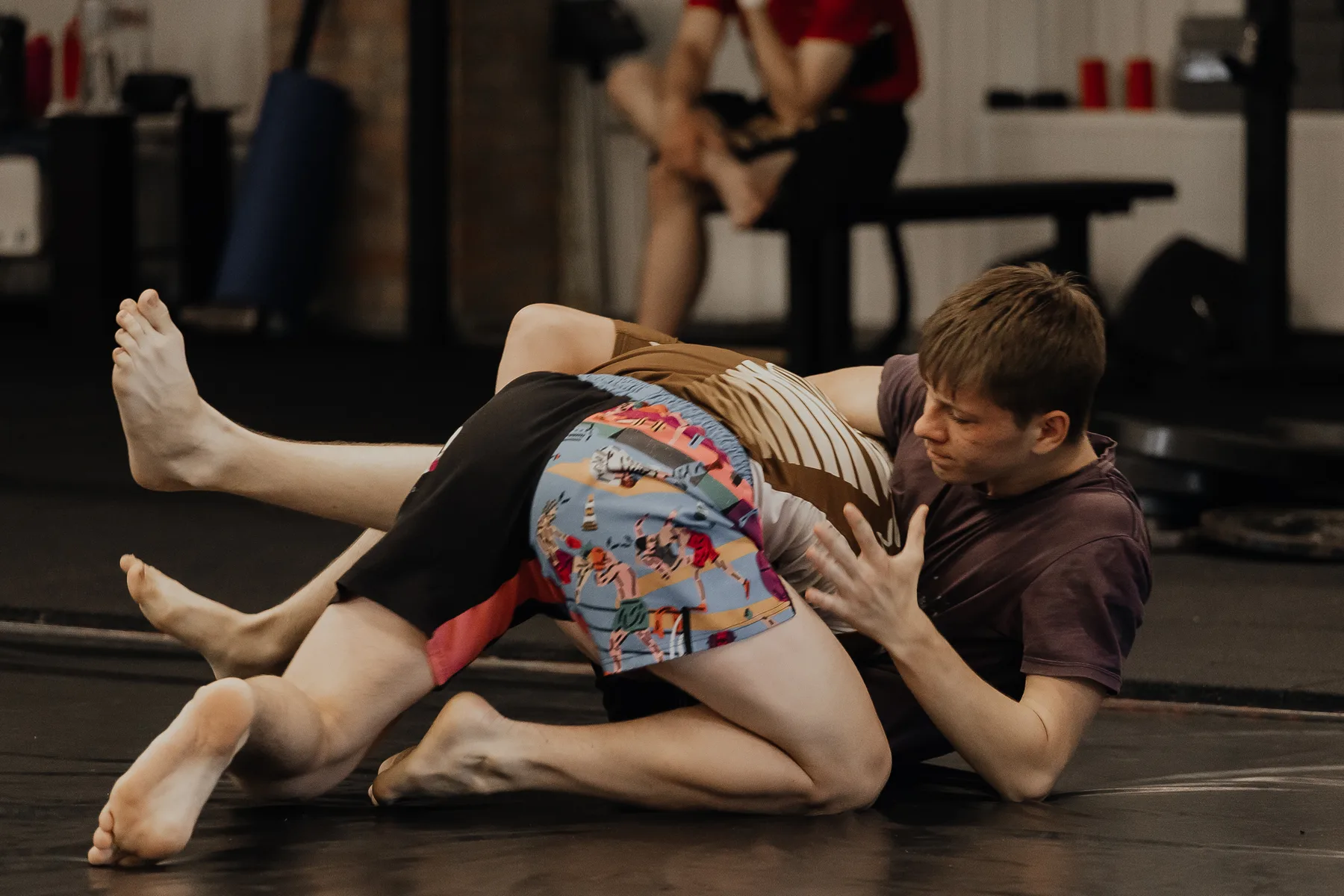
BJJ offers the broadest competitive space for prolonged guard passing, back control, sweeps, and layered submission sequences. A player can win through positional accumulation or a submission after an extended ground exchange. Judo gives high value to pins and submissions but often demands immediate progress before the referee restarts the athletes. Sambo also compresses the ground window, rewarding fast hold-downs and direct limb attacks within its permitted technique list.
Submission legality is not interchangeable. Some joint locks or chokes may be standard in one format, restricted by belt or age in another, and prohibited elsewhere. Athletes crossing over should spend a full rules session identifying these differences before live competition. A familiar position can create an unfamiliar penalty, and a legal attack still needs controlled application in practice.
Choose a base, then cross-train with purpose
Choose BJJ if you want deep positional ground study, frequent submission sparring, and broad access to academies in the United States. Choose judo if you are drawn to precision throwing, breakfalls, and Olympic-style competition. Choose sambo if you want an aggressive blend of jacket wrestling, transitions, and leg-and-arm submission offense. Any of the three can build confidence, fitness, and technical discipline without needing to serve as a claim of real-world invincibility.
Cross-training works best when it solves a named problem. A BJJ competitor might take judo to improve foot sweeps or sambo to sharpen leg-attack transitions. A judoka might study BJJ to extend ground sequences. A sambo athlete might use no-gi wrestling to prepare for MMA. Keep one primary rules language long enough to develop fluency, then borrow from the others with a coach who understands the translation.