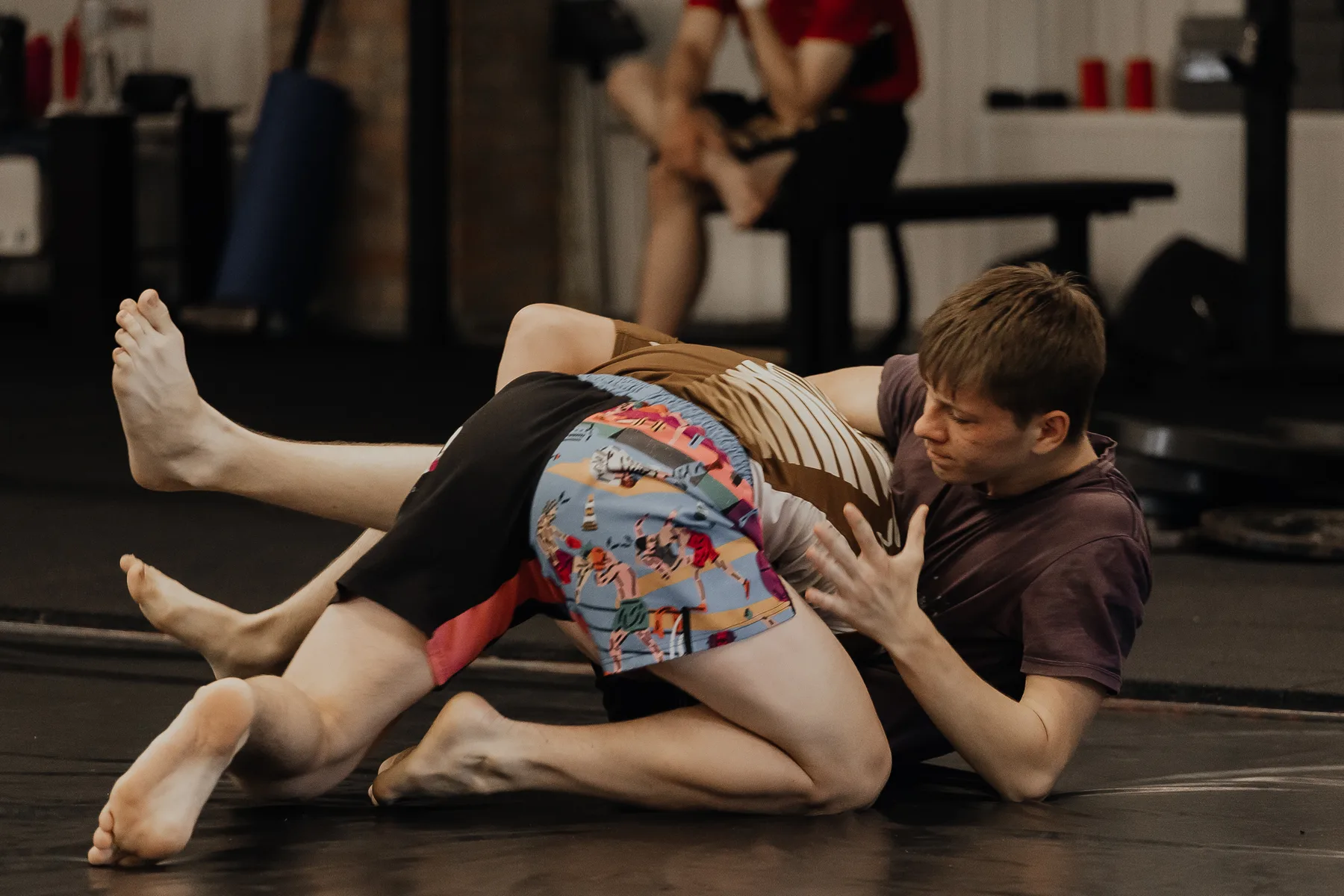
Find a sustainable BJJ training frequency for beginners, competitors, and busy adults, with sample two-, three-, and five-day weekly schedules.
The short version
- Two focused sessions per week can support real progress, especially for a new or busy athlete.
- Three to four sessions often balance skill exposure, live practice, and recovery for committed hobbyists.
- Add training days only when sleep, performance, motivation, and joint health remain stable.
Frequency is only one part of the dose
A weekly session count does not tell the whole story. Sixty minutes of technical drilling is a different stressor from ninety minutes that ends with six hard rounds. Your age, training history, sleep, job, family demands, and strength work all affect what you can absorb. The useful question is not how many days serious people train; it is how much high-quality work you can repeat next week.
For most beginners, two or three BJJ sessions per week create enough exposure to remember techniques while leaving room to adapt. More is not automatically better when every round is treated like a tournament final. Frequency becomes valuable when it improves learning density: more calm repetitions, more chances to revisit a position, and more useful feedback. It becomes noise when fatigue makes posture, timing, and judgment steadily worse.
Two, three, or five days: what each schedule can do
Two days per week suits beginners, busy professionals, and athletes balancing another sport. Make one day technique-heavy and let the other include more positional or live work. Three days creates a strong general schedule: one skill-focused day, one mixed day, and one harder day with recovery between them. Four or five days can work for experienced competitors when not every session carries the same intensity.
At higher frequency, label session roles. A light day might include movement, drilling, and lower-intensity positional rounds. A moderate day develops the week's main theme. A hard day tests that theme against full resistance. Without this distinction, five training days often become five medium-hard days, which is tiring enough to limit learning but not specific enough to build competition readiness.
Use recovery signals instead of ego
Track a few simple signals: desire to train, sleep quality, persistent soreness, grip freshness, and whether your normal warm-up feels unusually difficult. One off day is normal. A pattern of declining performance, irritability, disrupted sleep, or pain that changes how you move is a reason to reduce load and speak with the appropriate coach or professional. Training plans should respond to the athlete, not punish the athlete for failing the spreadsheet.
Pain, numbness, instability, or symptoms after a head impact should not be diagnosed through an article or gym chat. Stop the relevant activity and seek qualified medical assessment when needed. General recovery advice is not individualized care. The long-term training advantage belongs to the person who can distinguish productive effort from a problem that requires attention.
Sample weeks that leave room for real life
A two-day week could place BJJ on Tuesday and Saturday, with optional general strength work on Thursday. A three-day week could use Monday for technique, Wednesday for positional sparring, and Saturday for open mat or harder rounds. A competition-oriented five-day week might alternate hard and light practices while keeping at least one complete rest day. These are examples, not prescriptions; the coach should adjust them around class content and the athlete's total load.
Hold a schedule for four to six weeks before judging it, unless warning signs appear. Consistency lets you see whether you are retaining technique, arriving prepared, and recovering. If progress stalls, first improve the purpose of each session rather than adding another day. The most effective training frequency is rarely the maximum you can survive for one month; it is the amount you can use productively across a full year.