
The name and the early setting
The name abbreviates the Russian phrase for self-defense without weapons. FIAS’s historical account places the formative work in the 1920s and 1930s and describes contributions from multiple teachers. The practical and sporting purposes developed together; the modern competition rules should not be read as an unchanged copy of every early self-defense exercise.
This matters when an old photograph or manual is used to explain present-day sambo. First identify what the material shows: a demonstration, an instructional drill or a contest under particular rules. A historical technique appearing in a book does not, by itself, establish that it is permitted in today’s sport-sambo match.
Who created sambo? More than one founder
FIAS recognizes Viktor Spiridonov, Vasily Oshchepkov and Anatoly Kharlampiev among the central founders. A European Sambo Federation historical booklet distinguishes their contributions: Spiridonov developed and published self-defense work; Oshchepkov brought substantial judo experience to his teaching; Kharlampiev helped organize and systematize the developing method.
That is a more useful account than assigning every throw and submission to one inventor. The sources describe teaching, research and organization as well as technique. These roles overlap, but they are not interchangeable. A later organizer can be central to a sport’s establishment without having originated every movement practiced within it.
Why 1938 appears so often
FIAS connects the official date to Soviet Order No. 633, concerning the development of what the document called freestyle wrestling. The historical use of that name requires care: it should not be silently equated with the complete rules of modern Olympic freestyle. Names and administrative categories changed as sambo became organized.
An official recognition date answers a different question from “when did people begin practicing these skills?” Think of it as an institutional marker. It gives historians a shared reference point while leaving room for earlier teaching and later changes. The birthday is useful precisely when it is not mistaken for a complete origin story.
From national development to international competition
The FIAS timeline records international recognition by FILA in 1966, the first world championship in Tehran in 1973 and the establishment of FIAS in Madrid in 1984. These milestones describe separate developments: recognition within an existing federation, a world-level competition and an independent governing organization.
Read the sequence rather than compressing it into “sambo became international in one year.” Athletes, organizers and rules can cross borders before a dedicated international federation exists. Conversely, founding a federation does not mean that every country immediately has a large club network or identical training culture.
What the history does and does not tell a student
Modern sambo has specific rule documents and evolving educational structures. For example, FIAS launched a dedicated belt-system website in June 2026. That recent teaching resource belongs to the ongoing organization of the sport; it should not be projected backward as something used unchanged by every early teacher.
BORETS LAB is a Ukrainian grappling system that fuses sambo, freestyle wrestling and jiu-jitsu into one method — tested under full resistance. This present-day identity does not rewrite sambo’s Soviet origins. Historical context helps explain the inherited material; the quality of a modern lesson still depends on clear positions, partner tasks and what happens when the technique meets resistance.
Explore the video library
Published lessons in this training category, ready for your next session. Watch them all with your school membership.
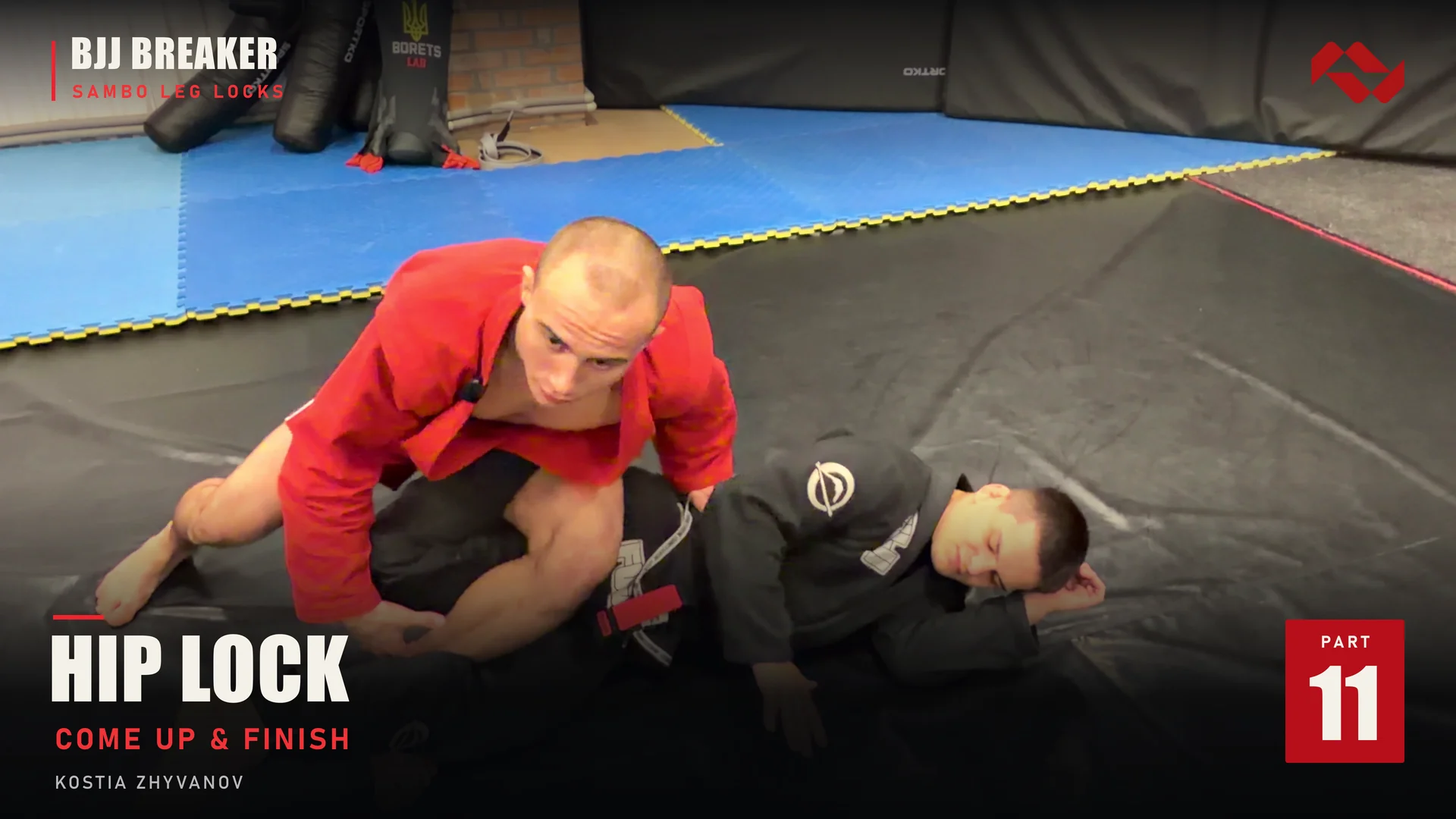 Hip Lock: Coming Up to FinishKostya Zhyvanov
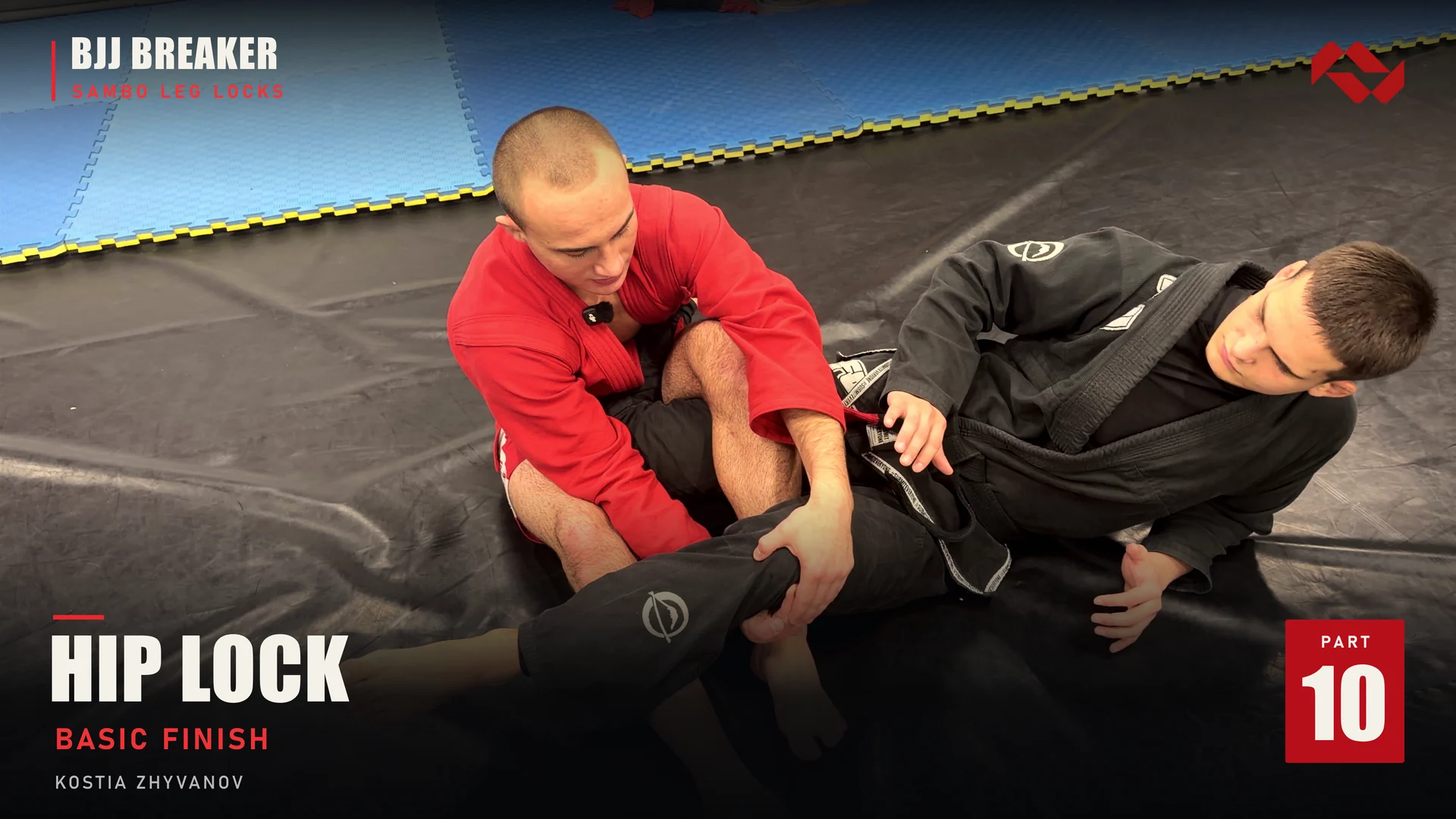 Sambo Hip Lock: Basic FinishKostya Zhyvanov
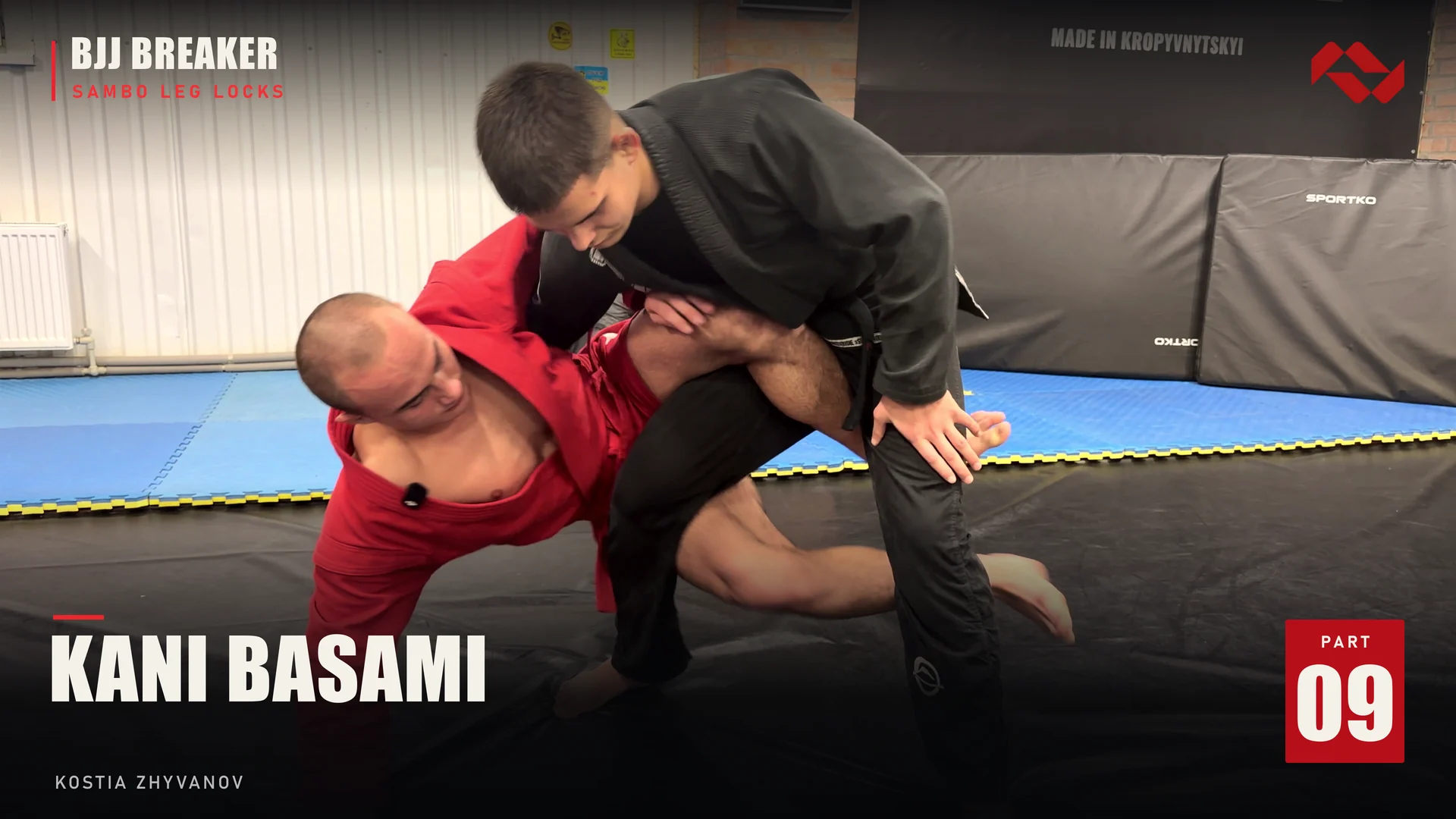 Kani Basami: Sambo Scissor TakedownKostya Zhyvanov
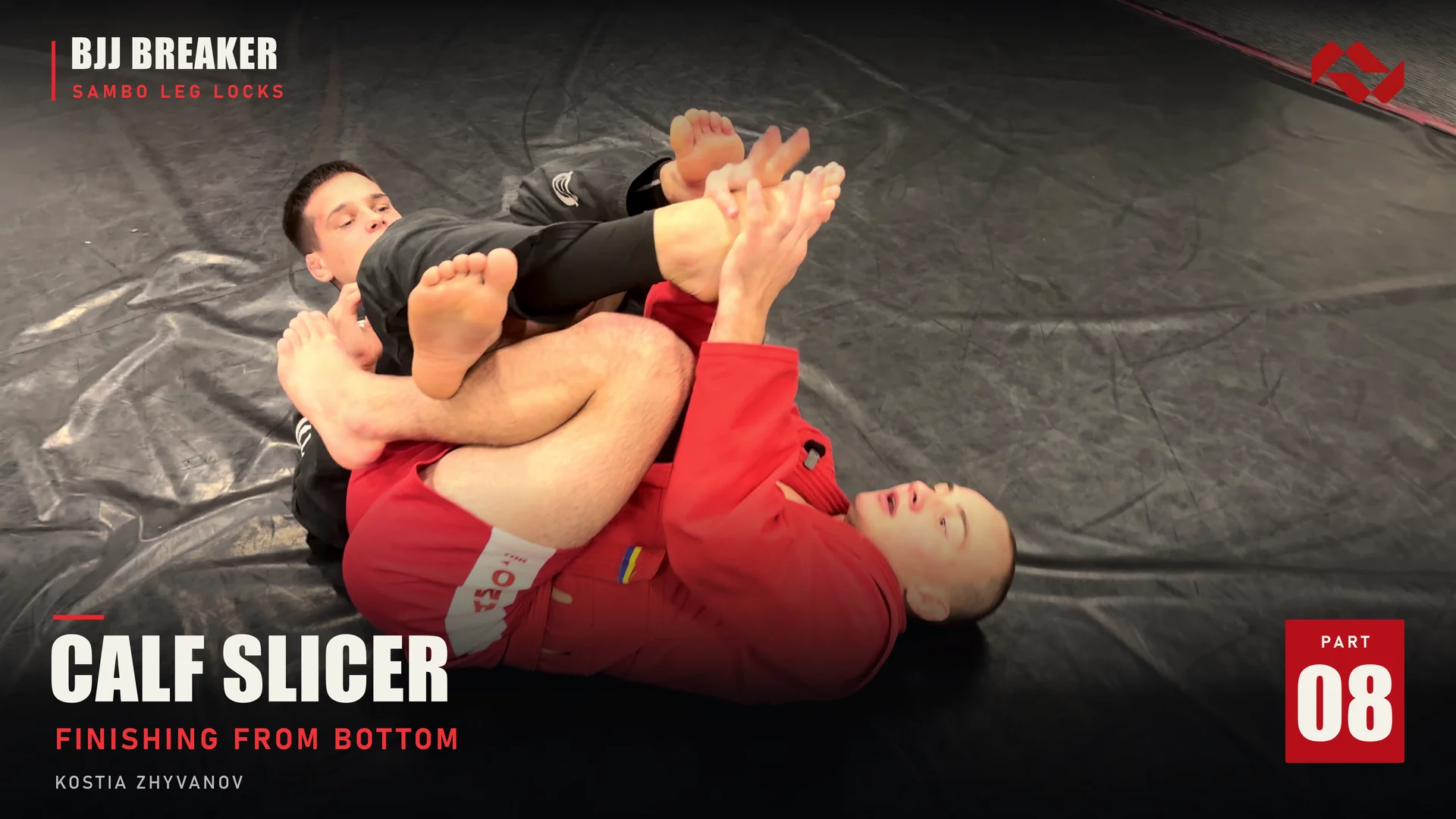 Calf Slicer from Bottom: Finishing DetailsKostya Zhyvanov
Build a more complete grappling game.
Learn from the team that developed homegrown black belts and an adult ADCC Trials finalist at 16.
One membership unlocks every published lesson in sambo, BJJ, freestyle wrestling, strength and conditioning, and mental preparation. Pick your focus, study the details and take them into your next session.
1,340 UAH / month · 13,400 UAH / year
Payments are charged in Ukrainian hryvnia (UAH). Your bank determines the conversion to your currency.
Continue reading
- What is sambo? The sport, its origins and where to startA practical introduction to sambo: its origins, sport and combat formats, beginner skills and questions to ask before choosing a class.
- Sambo Classes in the USA: Find Training Near YouLooking for sambo classes near you? Compare local training, know what to ask a coach and add Ukrainian sambo lessons to your training anywhere in the USA.
- Sambo belt system: FIAS levels, colored stripes and certificationDoes sambo have belts? Understand the current FIAS qualification system, its colored stripes, the June 2026 website and what an examination actually represents.
- Sambo Leg Locks for BJJ, Grappling & MMAExplore sambo leg locks for BJJ, grappling and MMA with Kostya Zhyvanov: 11 lessons covering ankle locks, kneebars, calf slicers and hip locks.