 BORETS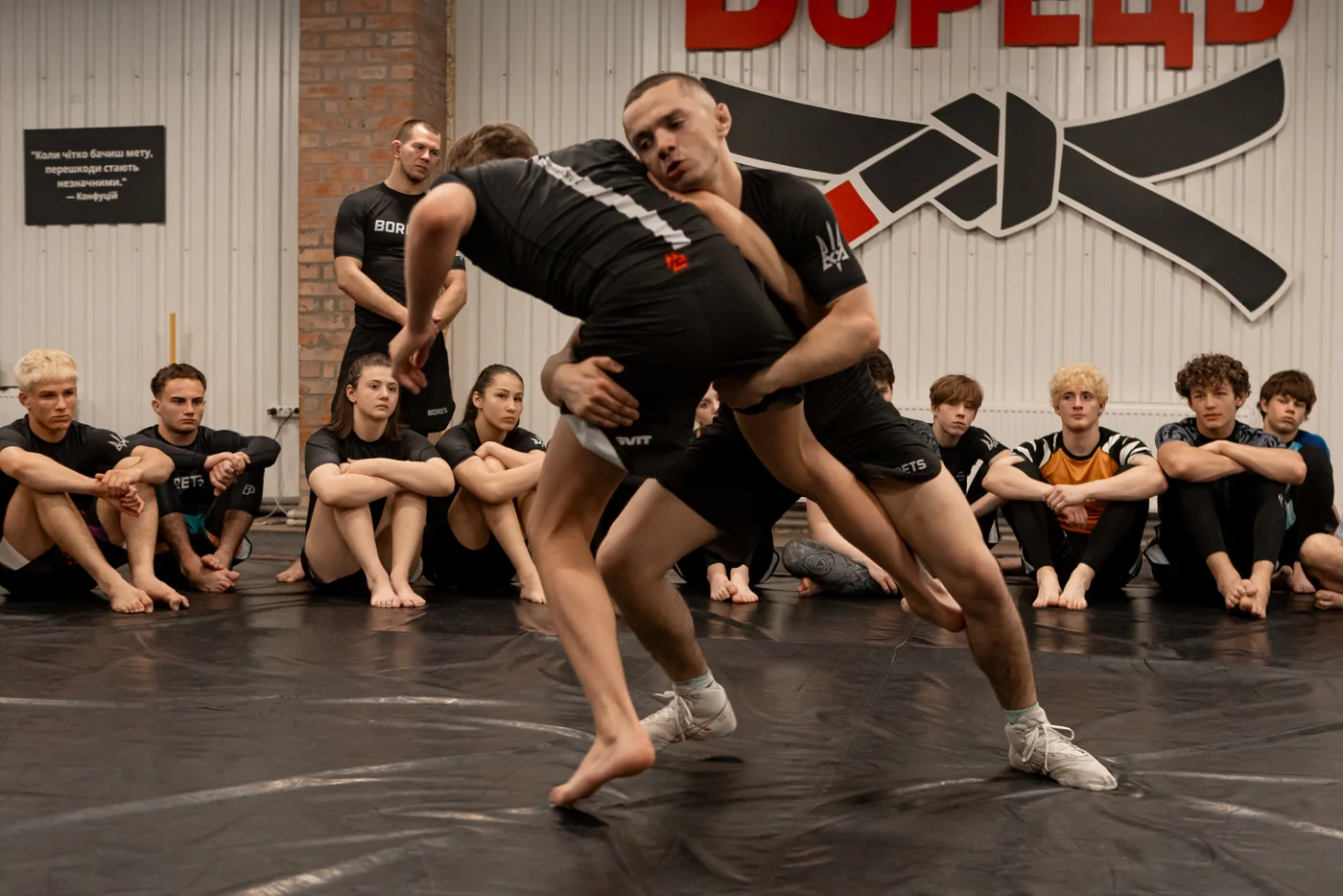
In this guide
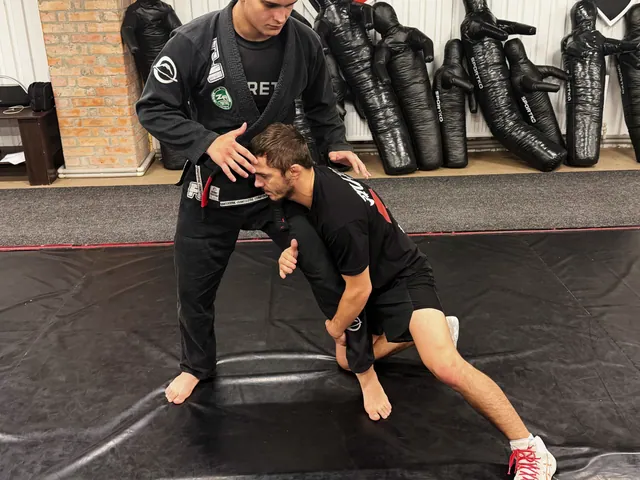
The high crotch is a leg attack entered between the opponent’s legs with the head positioned outside the targeted thigh. Coaches also call it a high C. Its value comes from the position it creates: you can build toward a finish on the collected leg or change your connection to both legs. Those choices require a close, balanced entry. A deep reach with the upper body left behind is a different problem.
Choose the tie and the step together
Choose one starting tie with your coach, such as an inside contact that allows you to move the opponent’s arm out of the entry lane. Notice which leg they present after that movement. Your penetration step should enter the space that has opened, rather than follow a fixed path regardless of their stance. Repeating the attack from a cooperative square stance is useful for orientation, but it does not establish that the same lane will remain open in a moving exchange.
Bring the hips close before demanding a finish
Lower your level with your legs and enter close to the target thigh. The attacking arm connects high on the leg while the trailing foot helps bring your hips under your torso. Keep the outside head position aligned with your trunk; do not fold the neck around the opponent’s hip. Pause here during early practice. If you cannot stay balanced without hanging from the leg, the entry needs attention before you attempt to lift, turn or change to another attack.
Understand the change to a double leg
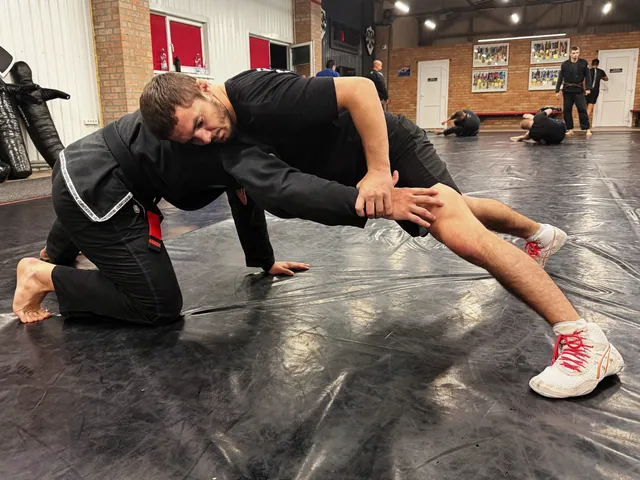
A change-off becomes useful when the far leg is accessible and you can connect to it without giving away your posture. Bring your second hand into the new connection, adjust your feet and direct the opponent through the available angle. Treat the change as a response to a position you can see and feel. Releasing the original leg and reaching blindly for the far one creates a gap in control. In the first drill, make the defender’s far-leg position obvious before allowing it to vary.
Recognise when the entry has been stopped
If the opponent squares the hips, drives your head down or moves both legs away, assess whether you still have a base to work from. Continuing forward on extended arms can leave you underneath their weight. Recover your hands and stance when the useful connection is gone. An agreed reset is part of the learning task. A coach can later introduce a recovery or second attack from the stalled position once both partners understand where their weight and limbs should go.
Keep the freestyle context clear
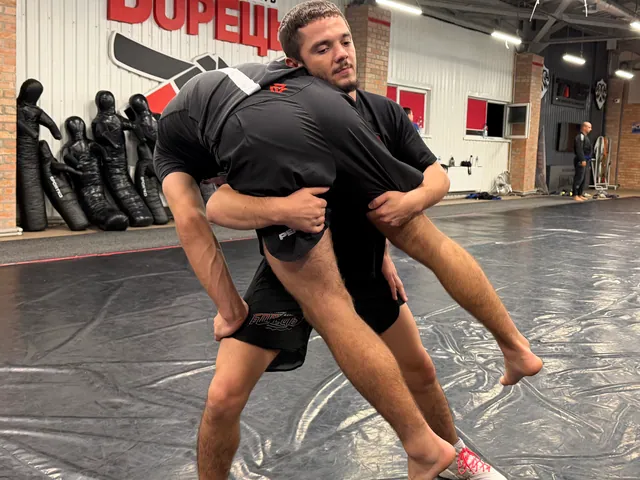
The outside-head entry needs a separate assessment when used in a submission sport. A position acceptable in a wrestling exchange can present a different problem when an opponent is allowed to attack the neck. Likewise, a finish demonstrated by an experienced adult pair should not automatically become a children’s drill. Keep beginner practice close to the mat, with a receiving position agreed in advance. There is plenty to learn about distance and connection without adding an elevated finish.
Give each repetition a decision
Progress from setup and entry, to a stable pause, to one controlled finish. Then let the defender either leave the far leg available or take it away. The attacker must recognise which option exists instead of changing off every time. Film the view from the side and the front. Ask the coach whether the hips arrived, whether the head stayed organised and whether the second hand found a real target. These observations make the next repetition more useful than simply trying the same entry harder.