
The direct answer
Use the positional hierarchy to decide what to protect, escape and attack first.
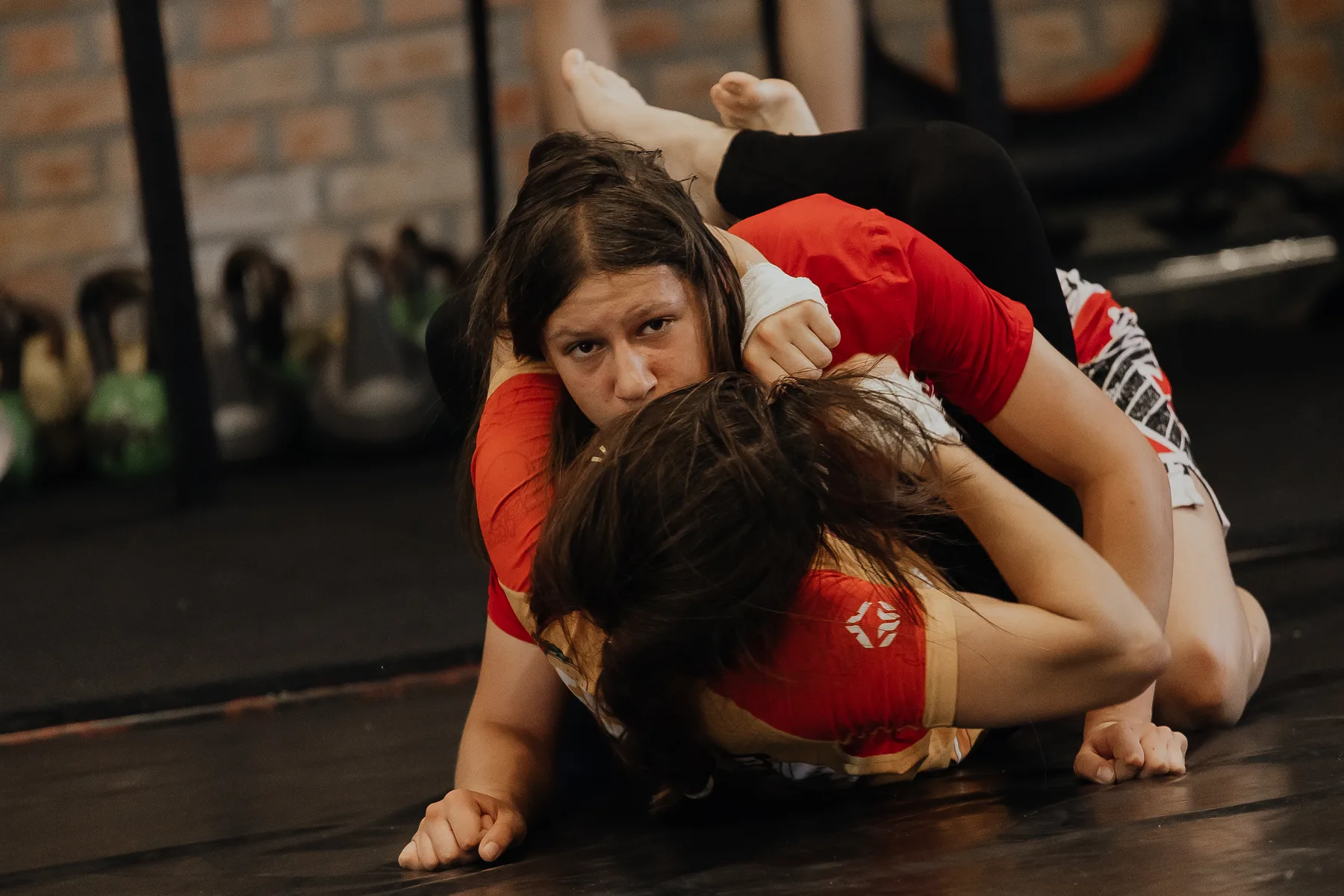
Many Brazilian jiu-jitsu academies offer classes somewhere around ages four to six, but an advertised minimum is not the same as the best age for every child. A young-child class should look like purposeful play: short instructions, movement games, safe falling, body awareness, simple positional goals and frequent resets. It should not be a smaller version of an adult competition practice. Some four-year-olds enjoy that structure and can follow a stop command; some six-year-olds need more time; an interested eight- or ten-year-old has not “missed” the ideal window. Readiness matters more than winning an age race. Useful signs include tolerating brief separation from a parent, communicating discomfort, keeping hands reasonably controlled, following one- or two-step directions and returning attention after excitement. The academy matters just as much. Coaches need age-appropriate ratios, clear safeguarding practices, thoughtful grouping by size and experience, hygienic mats, an ordinary culture of tapping, and a way to prevent advanced children from using beginners as targets. Parents should watch how the coach responds to fear, frustration and refusal—not only how neatly the class lines up. Children with relevant health conditions, persistent symptoms, developmental needs or meaningful physical limitations may benefit from guidance from appropriately qualified healthcare or developmental professionals and a direct planning conversation with the coach. This article cannot decide individual clearance. Safety depends on coaching, progression, partners and environment. The best start is the age at which the child can participate willingly in a well-designed program and leave curious enough to return.
01
What to understand
Judge readiness through behavior, not birthdays
Observe whether the child can stop when asked, listen for a short explanation, take turns and signal discomfort. None of these must be perfect. The question is whether the class can support the child without constant coercion or chaos. A birthday alone cannot answer that.
Recognize an age-appropriate curriculum
For younger children, locomotion, balance, rolling, base, grip awareness and simple control games should dominate. Complex submission chains and long lectures do not prove sophistication. The curriculum should grow with attention span and motor control, then introduce technical detail in digestible layers.
Audit how the room handles power differences
Age bands alone do not control size, confidence or experience. Ask how pairs are made and how coaches supervise live games. A smaller experienced child and a larger new child both need protection from mismatched tasks; “they are the same age” is not enough.
Let interest survive the first month
A hesitant child may need to watch, join the warm-up or complete only part of class. A skilled coach can invite participation without turning every refusal into a battle. Short successful contact with the sport often builds more durable engagement than forcing a full session.
Measure development beyond medals
Track attendance willingness, ability to recover after losing a game, care for partners, technical vocabulary and one improved movement. Competition can be appropriate later, but tournament results should not become the only language through which a child experiences progress.
02
How to train it
Visit 1 · watch the transitions
Notice what happens between drills. Are children left colliding while equipment changes, or does the coach use clear stations and stop signals? Strong transition management reveals more about safety and teaching skill than a highlight technique performed for parents.
Trial 1 · one simple promise
Give the child one task before class: listen for the stop word and tell the coach if something hurts or feels frightening. Avoid giving tactical instructions from the sideline. Afterward, ask what felt fun, confusing and uncomfortable without demanding a verdict about long-term commitment.
Weeks 1–4 · build a predictable rhythm
Use a manageable frequency and arrive with enough time to change calmly. Keep food, sleep and transport routines predictable where possible. The aim is not accelerated rank; it is letting the child understand what class feels like and whether the relationship with the coach is forming.
Month 2 · review fit with the coach
Ask what the child understands, how they behave with partners and which class level fits next. Share concerns without discussing the child as a problem in front of peers. If dread, uncontrolled contact or repeated exclusion persists, changing the environment may be wiser than blaming readiness.
The best starting age is a fit between child and program.
Short instructions, clear stops, frequent success.
A child must be allowed to communicate discomfort.
Pair by task and control, not age alone.
Curiosity is a better first-month metric than medals.
03
Common mistakes
Choosing the youngest advertised program
An academy accepting three- or four-year-olds does not automatically mean your child benefits now. Observe class structure and willingness. Starting a little later in a strong program is not lost development.
Reading tears as either weakness or proof of harm
Children cry for many reasons: frustration, surprise, fatigue, fear or pain. The important evidence is how adults investigate, comfort, modify and follow up. Dismissal is poor practice, but interpretation should remain calm and specific.
Turning every game into a performance review
Constant sideline correction makes the child responsible for the parent’s expectations and competes with the coach’s voice. Discuss broad experience afterward and let the instructor handle technical cues during class.
04
Questions athletes ask
01 · Can a four-year-old start BJJ?
Some can participate in a play-based class with qualified supervision, while others are not ready for that structure. The child’s communication and the quality of the specific program matter more than the number alone.
02 · Is eight too late to start Brazilian jiu-jitsu?
No. Eight is not late, and neither is ten or twelve. An older beginner may understand instruction faster and should be placed where size, experience and social comfort are managed thoughtfully.
03 · Should kids do BJJ competitions immediately?
No universal deadline exists. The child should understand the format, want to participate, demonstrate safe habits and have a coach who selects an appropriate event. Competition should not be used to validate enrollment.
04 · How often should a child train BJJ?
It depends on age, class length, other activities, recovery and interest. Begin with a frequency the child can approach willingly and review behavior, sleep and enthusiasm with the coach before adding sessions.
05
Sources and further reading
Training needs vary by athlete, schedule and coaching environment. Use these sources as context, then adapt with qualified support. Educational content for athletes and coaches. This guide does not diagnose injury, replace individualized coaching or override event rules. Stop if an activity causes pain, and use an appropriately qualified coach or healthcare professional for your situation.