
The direct answer
Use the positional hierarchy to decide what to protect, escape and attack first.
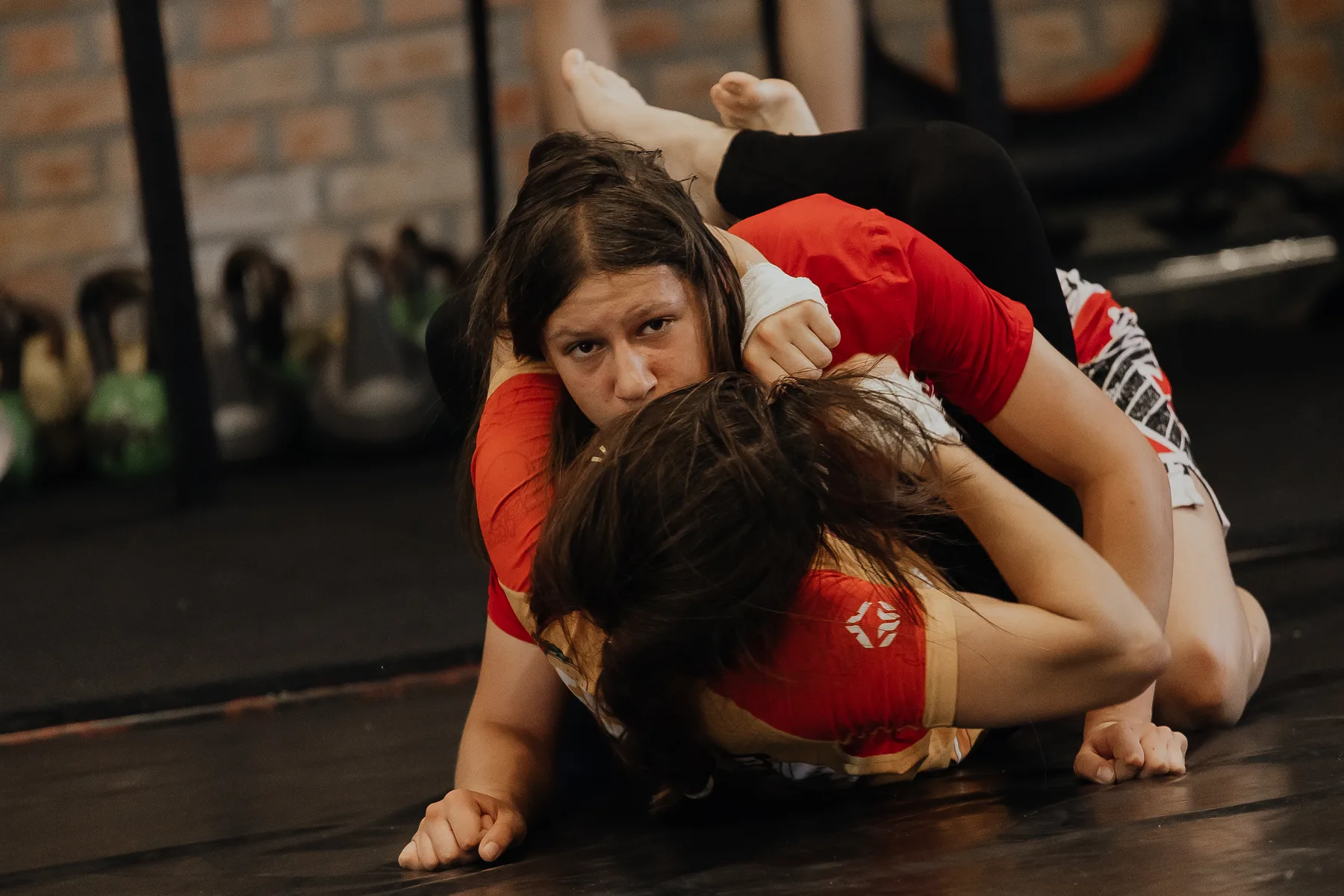
A useful BJJ guard-passing system organizes decisions into phases. First identify the guard and choose a range: stay outside the strongest hooks or enter close enough to control the hips and shoulders; the uncommitted middle distance often gives the guard player both. Next limit the legs by controlling an ankle, shin, knee line or hip connection without exposing posture. Reach a stable hub—often called headquarters—where balance is reliable and two passing directions are available. Use the defender’s reaction to choose the branch: when a knee returns inside, redirect or change angle; when the hips turn away, follow and block the recovery line. Passing is not complete when the legs are briefly cleared. Stabilize above the hips, defeat the knee-and-elbow connection, manage the underhook battle and prevent an immediate turn back to guard. Train the phases separately, then connect them under progressive resistance. Avoid uncontrolled stacking, twisting a trapped knee or dropping body weight onto the neck. Gi, no-gi, age divisions and organizations differ on grips, leg entanglements and legal submissions, so current event rules must shape the system.
01
What to understand
Name the guard and choose a range
Before moving fast, identify the opponent’s main attachments: feet on hips, shin frames, hooks, knee shield, closed legs or upper-body grips. Decide whether your system wins by disconnecting outside or closing distance with posture. Drifting between ranges lets the bottom athlete attach feet and hands while your hips remain too far away to control.
Control the leg line without losing posture
An ankle or knee grip matters only when it limits hip rotation, hook recovery or the direction of a technical stand-up. Keep the head, spine and base organized while pinning or redirecting the leg. Reaching both hands down with the hips behind the heels may clear a hook briefly but exposes balance and upper-body control.
Build a stable headquarters hub
A hub position should let you pause against moderate resistance, control at least one leg line and access two compatible passes. The exact configuration varies, but the principle is stable: deny the guard’s strongest alignment while your knees, hips and hands can change direction. If one defensive push removes the entire position, the hub is not yet established.
Branch on the defender’s recovery
Pair passes that punish opposite reactions. A direct pressure branch may cause the bottom athlete to frame and turn, opening an angle or backstep branch; an outside movement may draw the knee across, allowing closer control. Name the trigger for each option so the system becomes a decision tree rather than a memorized sequence performed regardless of resistance.
Finish beyond the recovery line
After the legs clear, bring the torso above or around the hips, block the near knee from returning and solve the near elbow or underhook frame. Settle into a named top position before reaching for a submission. A practical finish should survive a bridge, shrimp and turn rather than depend on the bottom athlete accepting the pass.
02
How to train it
Round 1 · distance and attachment
Start from open guard with no fixed grips. The passer scores by reaching a clearly outside or close range with balanced posture; the guard player scores by establishing a meaningful hook-and-hand connection. No full passes yet. Reset often and name which attachment changed the range so footwork becomes purposeful.
Round 2 · enter and hold headquarters
Give the guard player one familiar configuration. The passer clears or redirects the first attachment, enters the chosen hub and holds posture against moderate movement for a short count. The bottom athlete tests balance and knee recovery without dangerous twisting. Reset before completing the pass and alternate the lead side.
Round 3 · two-branch decision
Begin in headquarters. The defender either recovers the inside knee or turns the hips away through a coach-approved response. The passer selects one of two connected branches and stops when the legs are cleared. Keep the reaction honest but predictable until visual recognition is fast, then randomize the choice.
Round 4 · recovery-line finish
Start as the passer clears the legs. The bottom athlete attempts only knee-and-elbow reconnection, an underhook or a turn; the top athlete must block those tools and stabilize a named position. The repetition counts after a coach-set control interval, not at the instant the feet pass the hips.
Round 5 · pass, stabilize, reset
Run short positional rounds from the guard family being studied. The passer may use only the chosen hub and two branches; the guard player may sweep, submit or recover within the current training rules. Award the pass only after stable control, then reset. Increase resistance while preserving joint alignment and safe pressure.
Name the guard, then choose outside or close range.
Leg control must limit hip recovery.
Headquarters provides balance and two directions.
Let the recovered knee choose your next branch.
Clear the legs, defeat the frames, then stabilize.
03
Common mistakes
Living in the middle distance
The guard player can attach hooks while the passer lacks hip or shoulder control. Commit to disconnecting outside or entering close with posture, and use a deliberate transition between the two.
Moving fast without limiting recovery
Speed may circle the feet but still lose to one returning knee or underhook. Control the line that rebuilds guard, then accelerate through an angle the defender cannot immediately close.
Using pressure without positional progress
Heavy contact that leaves the knee-and-elbow line intact creates fatigue but not a pass. Ask which recovery tool has been removed and move toward a stable top checkpoint instead of adding indiscriminate weight.
Attacking before stabilization
Reaching for the neck or arm can reopen the inside space the guard needs. First secure a position that survives the initial bridge, turn or shrimp, then connect the academy’s legal submission pathway.
04
Questions athletes ask
01 · What BJJ guard pass should I learn first?
Choose one outside or angle pass and one close pressure pass that share a controllable entry or headquarters position. The pair should answer opposite reactions and end in the same stable top positions, making recall simpler under resistance.
02 · Why does my opponent recover guard after I pass the legs?
Usually a knee, elbow frame, underhook or hip angle remains available. Treat the moment after leg clearance as a separate finishing phase: block the near knee, solve the upper-body frame and stabilize before advancing.
03 · Does this passing system work in gi and no-gi?
The phases transfer: choose range, limit the legs, reach a hub, branch on reaction and stabilize. Cloth grips, friction, leg-entanglement threats and legal techniques change the exact controls, so practice the version that matches the current session and event rules.
04 · How do I make pressure passing safe for partners?
Apply weight progressively through broad, coached connections, preserve room for normal breathing and avoid uncontrolled force on the neck or a trapped joint. The bottom athlete should tap or communicate early, and the passer must release immediately. Scale intensity to size, experience and health history.
05
Sources and further reading
Training needs vary by athlete, schedule and coaching environment. Use these sources as context, then adapt with qualified support. Educational content for athletes and coaches. This guide does not diagnose injury, replace individualized coaching or override event rules. Stop if an activity causes pain, and use an appropriately qualified coach or healthcare professional for your situation.