
The direct answer
Use the positional hierarchy to decide what to protect, escape and attack first.
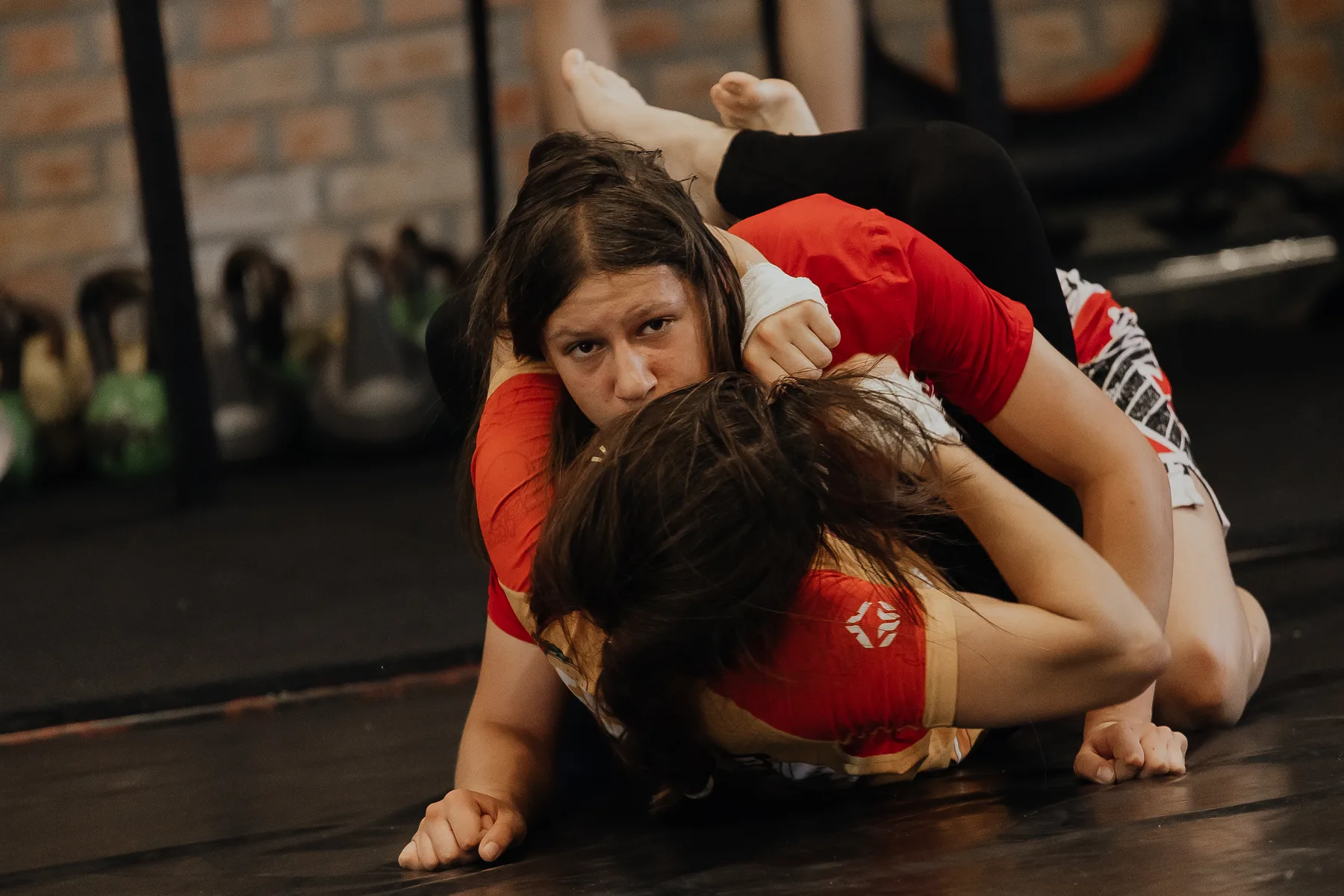
The best BJJ drills for a beginner are not endless movements performed without context. A useful drill names the position, the immediate problem, the partner’s role and the decision that ends the repetition. White belts first need a small movement vocabulary—safe falling, technical stand-up, hip movement, bridging and turning—but each movement should quickly connect to a real position. A hip escape becomes meaningful when it recovers a knee line under side control. A bridge becomes useful when it shifts weight before an elbow escape. Partner drills should progress from cooperative accuracy to a predictable reaction, then to a limited choice. Positional rounds complete the process because the beginner must recognize when the planned technique is available and when another route is safer. Build each practice around one theme rather than a long catalogue. For example, connect mount survival, bridge timing, elbow recovery and a short round that ends when guard is restored. Use calm speed, early tapping and clearly defined resistance. Beginners should not rehearse joint locks at uncontrolled pace, accept painful positions to appear tough or imitate advanced inversions without coaching. A qualified instructor determines which variations are suitable for the room. This library complements a longer first-12-weeks curriculum by explaining how to create high-quality repetitions inside a session, not by replacing the academy’s technical sequence.
01
What to understand
Give every movement a position
Link shrimping, bridging, turning and standing to a recognizable grappling problem. The beginner should be able to say what pressure the movement solves and what position should follow.
Define the partner’s job
A partner is not a mannequin or an opponent trying to win every repetition. Give a specific posture, pressure and reaction so both athletes can reproduce the learning problem.
Progress resistance in steps
Begin with the path, add one predictable reaction and then allow two choices. Full resistance arrives only when the beginner can protect posture, communicate and stop safely.
Use positional rounds for decisions
Set a narrow start and clear finish: escape mount, retain guard, pass to stable control or stand safely. Short rounds create more relevant attempts than unstructured starts.
Record one lesson, not ten moves
After practice, note the position, cue and failed decision that mattered most. A compact record helps the next session repeat the same problem with one useful adjustment.
02
How to train it
Drill 1 · movement to meaning
Perform technical stand-ups, hip escapes and bridges slowly, then attach each to a partner scenario: safe disengagement, knee recovery or weight shift under mount.
Drill 2 · mount escape chain
Bottom protects the neck and elbows, creates a weight reaction and chooses bridge or elbow recovery. Top gives one defined post, then gradually hides which response will appear.
Drill 3 · guard retention gate
Top tries to move around one knee line at moderate pace. Bottom keeps feet and knees between the torsos, frames without kicking and scores by restoring a square guard.
Drill 4 · pass and settle
Begin from one familiar open-guard connection. Top clears the legs and must hold balanced side control briefly; bottom focuses on frames and recovery rather than desperate bench-pressing.
Drill 5 · two-minute position
Choose the week’s theme and run several short rounds with one reset condition. Partners exchange roles, communicate intensity and stop immediately for a tap, unsafe alignment or lost control.
Name the position before starting the movement.
Frames create room; movement uses it.
One reaction makes a drill, two reactions make a decision.
Reset when the learning problem has ended.
Tap early and preserve tomorrow’s practice.
03
Common mistakes
Collecting drills without a theme
A long warm-up catalogue creates motion but weak recall. Select a few repetitions that share one position and finish with a round that tests the same problem.
Adding resistance too early
The beginner compensates with speed and strength before learning alignment. Earn resistance through stable posture, correct direction and reliable communication.
Drilling only the successful side
A cooperative finish hides the moment the technique is unavailable. Give the partner one realistic block and teach the beginner to reset, switch or choose a safer route.
Treating discomfort as a requirement
Learning does not require late taps or uncontrolled joint pressure. Stop for pain, use early submissions and let the instructor modify positions that cannot be practiced safely.
04
Questions athletes ask
01 · What BJJ drills should a white belt do?
Prioritize safe movement connected to positions, fundamental escapes, guard retention, one passing route and short positional rounds. The academy’s current curriculum should determine the exact variations.
02 · Are solo BJJ drills useful?
They can build familiarity with movement and warm-up patterns, but partner pressure and positional decisions are necessary to understand timing, alignment and resistance.
03 · How many repetitions should a beginner do?
Use enough calm repetitions to make the route recognizable, then test it against a defined reaction. Quality, attention and safe control matter more than a universal number.
04 · When should positional sparring begin?
It can begin early with narrow goals, appropriate partners and controlled intensity. The instructor should set the start, allowed actions, reset condition and safety expectations.
05
Sources and further reading
Training needs vary by athlete, schedule and coaching environment. Use these sources as context, then adapt with qualified support. Educational content for athletes and coaches. This guide does not diagnose injury, replace individualized coaching or override event rules. Stop if an activity causes pain, and use an appropriately qualified coach or healthcare professional for your situation.