
The direct answer
Use the positional hierarchy to decide what to protect, escape and attack first.
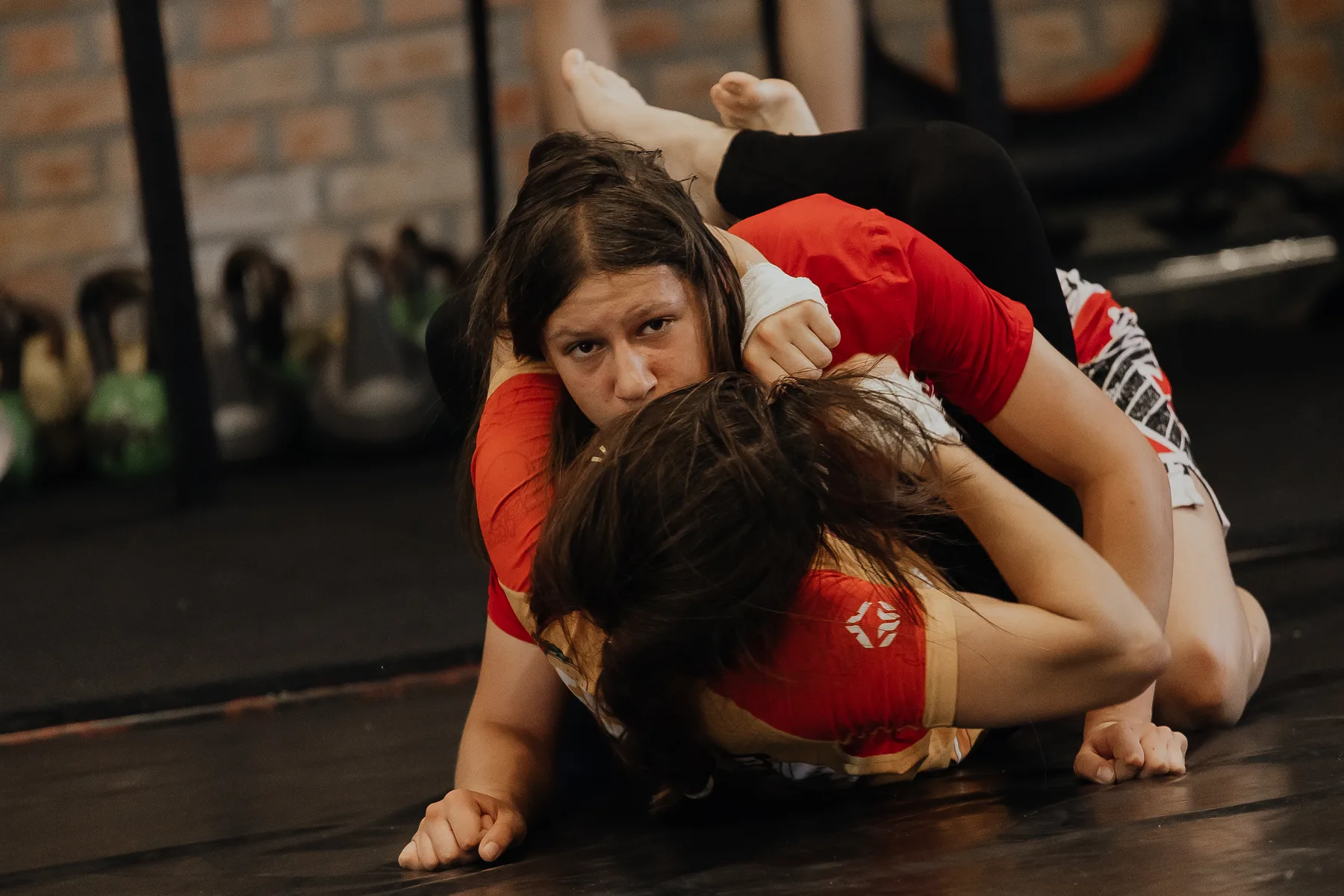
Guard retention is the process of replacing one defensive structure before the passer settles hip and shoulder control. The useful frame depends on distance. At long range, feet and active legs manage approach without kicking or locking the knees. At middle range, shins, knees and hands protect the inside lane while the hips follow angle changes. At close range, elbows, forearms and shoulder position create enough space to recover a knee or turn to another guard. The guard player should track two lines: whether the passer has cleared the legs, and whether the passer has connected to the hips or upper body. When a foot is redirected, replace it with a shin or knee. When the knee is cleared, use hands and shoulder movement to prevent the pass from settling. When the passer controls the hips, create an angle before attempting a large leg swing. Retention is not endless flexibility; it is early recognition, layered frames and disciplined recovery to a known guard. Train one passing lane at a time, then allow a second direction. The passer must move with control and avoid jumping, slamming the legs, stacking the neck or twisting a trapped knee. The defender should not force inversion or range through pain. Stop early and use qualified instruction. Official scoring definitions vary, so verify the current event rules; technically, the urgent moment is before stable hip-and-shoulder control forms. This page isolates framing decisions rather than duplicating a broad escapes or passing guide.
01
What to understand
Match the frame to distance
Use feet at long range, shins and knees at middle range, and hands, elbows and shoulders when the passer closes. A distant frame fails up close.
Track leg-clearance and body connection
A passer may clear the feet without controlling the hips, or connect to the hips while legs remain active. Diagnose both lines before recovering.
Replace frames in sequence
When one structure clears, another enters immediately. Foot becomes shin, shin becomes knee, and knee recovery is protected by upper-body frames.
Move hips before chasing with legs
If the passer has changed angle, square or turn the pelvis so the legs can reconnect without forced range.
Recover a recognizable guard
The repetition ends when distance, grips and leg position form a known guard, not when one foot briefly touches the opponent.
02
How to train it
Distance 1 · foot frames
Passer approaches within a lane. Defender maintains safe foot contact and follows angle without kicking or extending the knee.
Distance 2 · shin-to-knee replacement
Passer redirects one foot. Defender inserts shin, then knee, while moving the hips to face the new line.
Distance 3 · close-range frame
Passer clears the knee but has not settled. Defender uses forearm and shoulder structure to recover a knee without pressing the face.
Angle drill · hip follows pass
Passer circles at moderate pace. Defender keeps knees oriented between torsos through hip movement, not extreme leg flexibility.
Two-lane retention round
Passer chooses outside or inside lane. Defender scores a complete known guard recovery; passer scores stable hip-and-shoulder control.
Distance chooses the frame.
Replace one structure before the next clears.
Track legs and body connection separately.
Hips face before feet reconnect.
A known guard completes the recovery.
03
Common mistakes
Using feet at every distance
Close pressure collapses long frames and can expose the legs. Switch to knees, elbows and shoulder structures as range closes.
Following with legs while hips stay square
The range requirement grows until alignment becomes unsafe. Move the pelvis and shoulders so the legs work inside normal control.
Waiting for the pass to settle
Late recovery removes frames and turns the problem into a pin escape. Begin replacement as soon as a leg line clears.
Forcing inversion through pressure
A movement that loads the neck or twists a knee is not required for good retention. Use safer angles and instructor-selected alternatives.
04
Questions athletes ask
01 · What is the key to BJJ guard retention?
Recognize distance early, keep structures between torsos, move the hips with angle changes and replace cleared frames before control settles.
02 · Do I need to be flexible to retain guard?
No extreme range is required for the core system. Alignment, hip movement, timing and layered frames matter more; never force painful range.
03 · When should I accept half guard?
It can be a useful recovery when full inside position is unavailable, provided the knee and upper-body frames create a functional half guard.
04 · How should the passer help retention practice?
Use realistic lanes and progressive resistance without jumping, stacking or twisting. The goal is to reveal decisions, not overwhelm the defender.
05
Sources and further reading
Training needs vary by athlete, schedule and coaching environment. Use these sources as context, then adapt with qualified support. Educational content for athletes and coaches. This guide does not diagnose injury, replace individualized coaching or override event rules. Stop if an activity causes pain, and use an appropriately qualified coach or healthcare professional for your situation.