
The direct answer
Use the positional hierarchy to decide what to protect, escape and attack first.
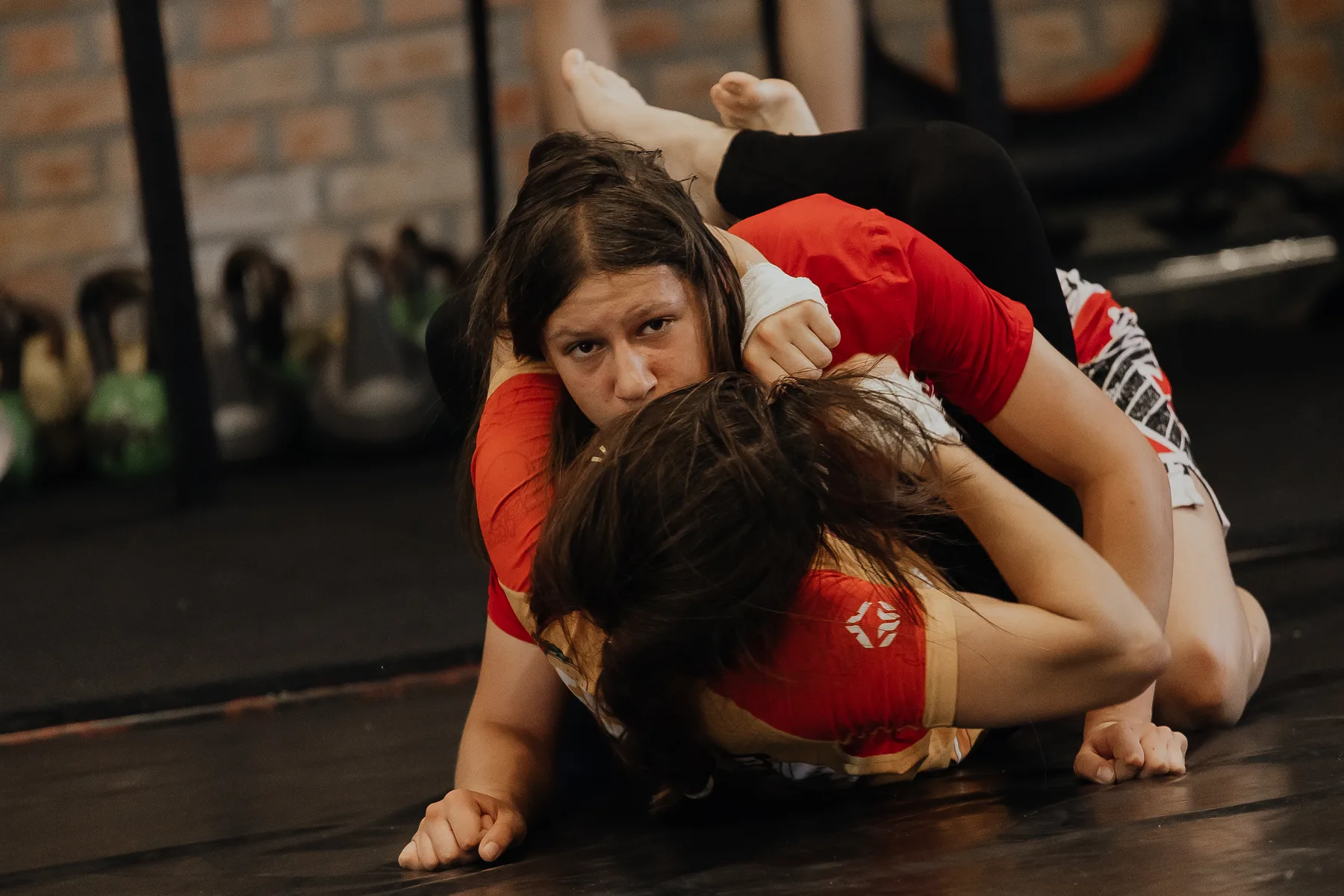
Open guard is the task of keeping useful structures between the athletes while the legs are not locked around the waist. A beginner should learn distance zones before named guards. At long range, feet manage approach and protect the hip line. At mid range, feet, shins, knees and hands form frames and hooks that control direction. At close range, the guard player needs stronger upper- and lower-body connection because the passer can control the legs and hips. The first decision is whether to maintain distance, attach to move the opponent, or recover after a connection is cleared. Inside position matters: knees and feet should return between the torsos before the passer controls the hip line. Grips must have a job—posture, angle, distance or off-balance—rather than merely holding. In gi, sleeves, collars and pants extend control; in no-gi, wrists, ankles, head position and body connection replace cloth. The passer is part of the learning system and should use posture, leg control and angle without kicking, jumping or forcing joints. Begin with limited lanes and progressive resistance, then add standing versus seated variation. Legal grips and submission options differ by event and division, so verify current official rules. Tap early and avoid uncontrolled inversions, stacking or twisting knee pressure. This guide teaches the distance architecture that sits beneath specific guards; it does not duplicate a full passing or retention system.
01
What to understand
Recognize three distance zones
Long, middle and close range require different tools. The guard player should know when feet, shins, knees or upper-body ties become the primary structure.
Keep structures between torsos
Frames and hooks preserve the hip line and prevent direct chest connection. When one layer clears, another should replace it.
Give grips a purpose
A grip should manage posture, distance, angle or a post. Holding without a project can trap the hand while the passer advances.
Attach before off-balancing
Use upper- and lower-body connections that work together. A single distant hook rarely moves a balanced opponent by itself.
Recover inside position early
When a frame is cleared, return a knee, shin or foot before the passer settles hip and shoulder control. Recovery starts before the pass appears complete.
02
How to train it
Zone 1 · feet manage approach
Passer moves within a limited lane. Guard player uses controlled foot contact to maintain distance without kicking or crossing the feet dangerously.
Zone 2 · shin and hand frames
At middle range, bottom keeps two useful structures and follows lateral movement. Top tries to clear one layer at moderate pace.
Zone 3 · attach and angle
Bottom establishes one upper tie and one lower hook, then changes the opponent’s angle without completing a sweep.
Recovery gate
Top clears one leg line. Bottom scores by restoring a knee or foot inside before chest or hip control settles.
Two-zone positional round
Begin at long range. Top scores a stable pass; bottom scores off-balance, recognized guard connection or full recovery after a clearance.
Distance chooses the structure.
Keep a knee, shin or foot between torsos.
Every grip has one job.
Connect upper and lower control before moving weight.
Recover before the passer settles.
03
Common mistakes
Learning names without distance
The athlete knows a guard label but cannot enter or recover it. Begin with the zone and structural job, then add the variation.
Pushing with straight legs
Locked knees reduce adaptability and can create unsafe pressure. Use active angles, controlled contact and the instructor’s alignment.
Holding a dead grip
A grip with no purpose occupies the hand while the passer changes angle. Release, replace or connect it to a clear project.
Recovering only after side control
Waiting for the pass to settle removes available frames. Fight for inside position as soon as a leg or hip line is cleared.
04
Questions athletes ask
01 · Which open guard should a beginner learn?
Start with one academy-approved connection that teaches distance, inside position and recovery. The structural lesson matters more than collecting names.
02 · Is open guard only for flexible athletes?
No. Effective structure, angle and timing matter. Avoid forcing range; instructors should select variations appropriate to the athlete.
03 · How is no-gi open guard different?
Without cloth grips, connections change faster and rely more on wrists, ankles, head position and body alignment. The distance framework remains useful.
04 · When has the guard been passed?
Use the current rules for official scoring. Technically, treat the danger as serious when the legs are cleared and hip or shoulder control begins to settle.
05
Sources and further reading
Training needs vary by athlete, schedule and coaching environment. Use these sources as context, then adapt with qualified support. Educational content for athletes and coaches. This guide does not diagnose injury, replace individualized coaching or override event rules. Stop if an activity causes pain, and use an appropriately qualified coach or healthcare professional for your situation.