
The direct answer
Use the positional hierarchy to decide what to protect, escape and attack first.
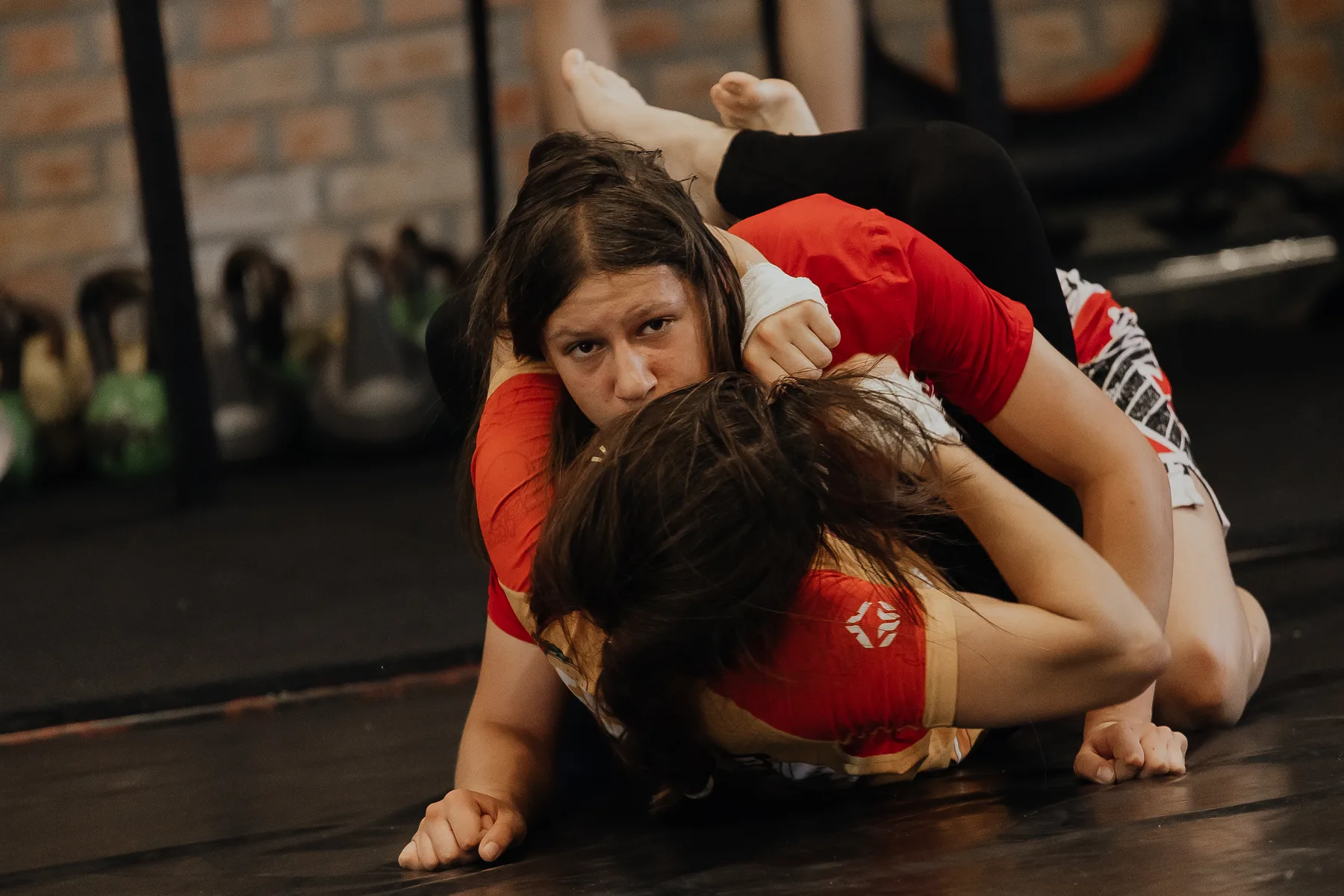
BJJ positional hierarchy is a decision tool, not a permanent ranking of every variation. It helps a beginner answer the first question in a scramble: am I in immediate submission danger, in a controlling disadvantage, in a neutral connection or in an attacking position? From a bad position such as back control, mount or stable side control, the first project is usually safety—protect the neck and limbs, rebuild frames and recover a position where movement is possible. Guard is different: the bottom athlete may control distance and attack, while the top athlete tries to keep posture, open or navigate the legs and reach stable control. Passing should lead to a position that can be held against a real recovery, not a momentary chest touch. Dominant positions become valuable when they control movement and create safe submission opportunities. The hierarchy also tells athletes when not to chase an attack: a submission attempt that abandons balance, exposes the back or loses control may move down the map. Rules can reward positions differently and some transitions require specific official conditions, so verify the current event document rather than treating this conceptual map as a scoring chart. Practice with early tapping, controlled pressure and instructor-approved techniques. Beginners should not resist dangerous joint alignment or neck pressure to preserve a positional label. This page teaches the map that organizes later guides; it does not replace detailed escape, guard, passing or submission instruction.
01
What to understand
Classify danger before direction
Ask whether the neck, limb or back is immediately exposed. Safety decisions come before attempts to improve points or attack.
Separate survival from escape
Survival closes vulnerable space and restores breathing and structure. Escape then creates movement toward guard, top position or standing.
Treat guard as an active relationship
Guard is not simply being underneath. The legs, frames and grips must manage distance or connection while both athletes pursue different projects.
Require passes to settle
Clearing the feet is only part of passing. Control hips or shoulders long enough to deny immediate recovery and establish the next position.
Attack from controlled advantage
Use submissions that preserve balance and an exit. If defense wins, return to a stable position rather than holding a dangerous alignment.
02
How to train it
Map 1 · position naming
Coach freezes common exchanges. Athletes name danger level, controlling athlete, immediate project and the position they want next.
Map 2 · survival checkpoint
Start in mount, back or side control with moderate pressure. Bottom scores by protecting vulnerable lines and building usable structure, not by exploding free.
Map 3 · escape to known guard
From the survival shape, bottom uses one coached route to recover a recognizable guard. Top gives one realistic block.
Map 4 · pass and hold
Top begins inside a defined guard and scores only after clearing the legs and holding stable control against a genuine recovery attempt.
Map 5 · attack or maintain
From a dominant position, top receives either a clean submission opening or a strong escape reaction. Choose attack, transition or maintenance and explain why.
Safety before escape; escape before attack.
Name the position and the immediate project.
Guard must manage distance or connection.
A pass settles before it celebrates.
Control makes submissions repeatable.
03
Common mistakes
Treating the hierarchy as a score chart
Conceptual advantage and official scoring are not identical. Use the current event rules for points and the hierarchy for decisions.
Escaping before protecting the neck
Large movement can deepen a submission or expose another line. Close danger first, then create space with structure.
Calling every bottom position guard
Guard requires meaningful leg or frame control. Being underneath stable side control is a different problem with different priorities.
Abandoning control for a low-quality submission
A forced attack can reverse the hierarchy. Preserve balance, release safely and return to position when the finish is not available.
04
Questions athletes ask
01 · What is the BJJ positional hierarchy?
It is a map of relative control and danger that helps athletes choose survival, escape, guard, pass, dominant control or submission.
02 · Is guard a bad position because it is on bottom?
Not automatically. A functional guard can control distance and attack, although rules, strikes and opponent posture change its value.
03 · What position should a beginner learn first?
Learn to recognize common positions and protect yourself, then connect one escape-to-guard route and one pass-to-control route.
04 · Does positional hierarchy change by ruleset?
The control logic remains useful, but scoring, legal techniques, strikes and match objectives can change tactical value. Verify the official event document.
05
Sources and further reading
Training needs vary by athlete, schedule and coaching environment. Use these sources as context, then adapt with qualified support. Educational content for athletes and coaches. This guide does not diagnose injury, replace individualized coaching or override event rules. Stop if an activity causes pain, and use an appropriately qualified coach or healthcare professional for your situation.