
The direct answer
Use the positional hierarchy to decide what to protect, escape and attack first.
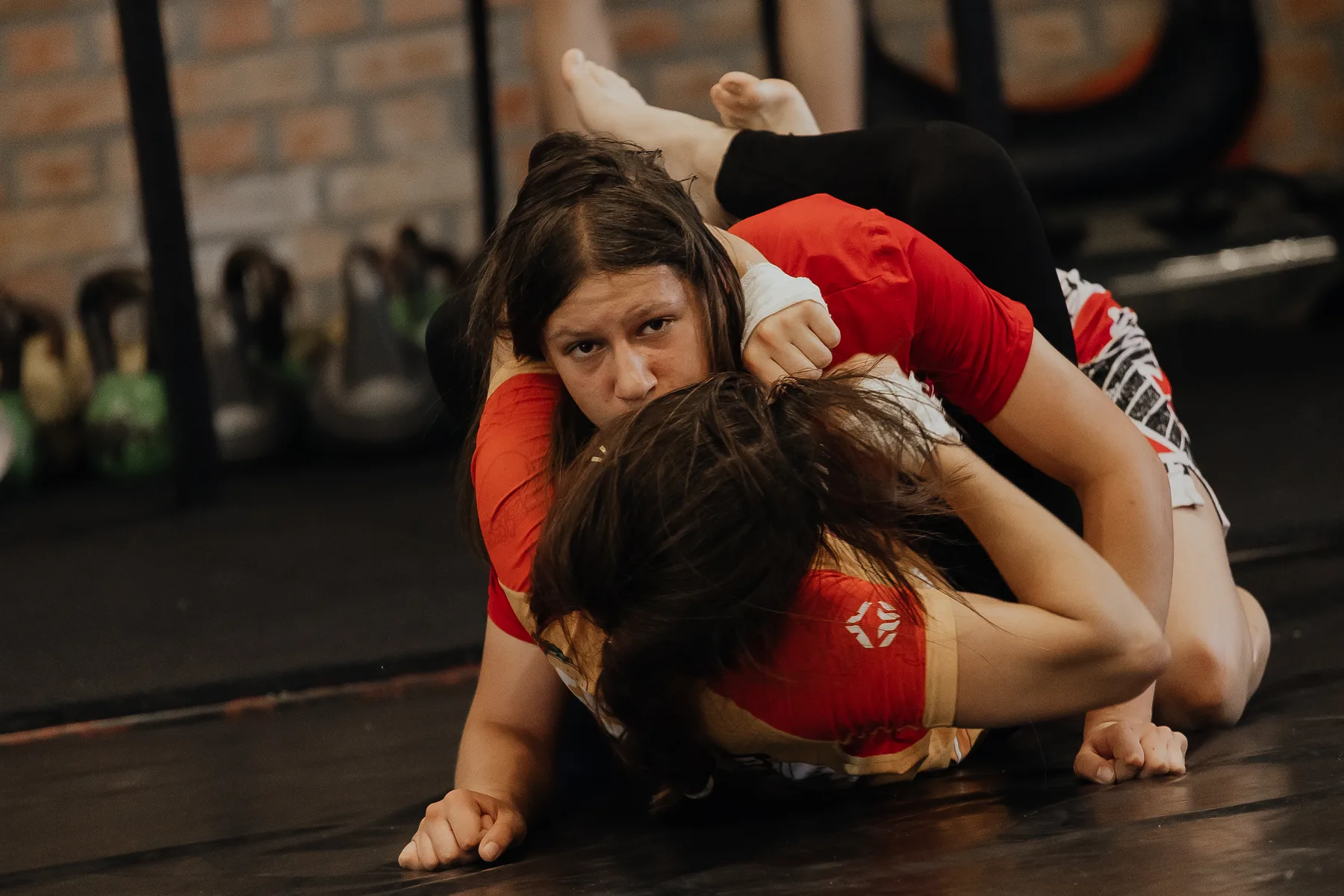
BJJ and judo can both be excellent for children because they teach grappling against real resistance, yet the normal training experience differs. Judo repeatedly brings students to standing grips, off-balancing, throws, safe landing and rapid follow-up into a pin or submission. Brazilian jiu-jitsu usually gives more class time to extended ground positions: guard, passing, escapes, control and age-restricted submissions. That means judo may provide a stronger early education in falling and upright jacket wrestling, while BJJ may give a child more repetitions solving layered ground problems. Those are general patterns, not guarantees. A BJJ academy with a dedicated wrestling curriculum can work extensively from the feet; a judo coach who values newaza can develop sophisticated ground transitions. Rules also vary by federation, age and event, so parents should ask which techniques are allowed and how children are prepared before competition. The practical decision is usually local. Compare the youth coach’s ability to organize safe resistance, match size and maturity, teach immediate stop behavior and keep children engaged without turning every game into a selection test. Watch an ordinary class in each room. Notice whether beginners know what they are supposed to learn, whether children who lose a round receive instruction instead of shame, and whether the coach can explain a first-season plan. Pick the program your child can attend consistently, trusts emotionally and wants to revisit. Either style can become a strong first base, and cross-training remains available later.
01
What to understand
Understand the standing-time difference
Judo rounds normally begin on the feet, so grip fighting, posture, balance breaking, entry and landing receive constant exposure. Many BJJ youth classes teach takedowns but spend a larger percentage of live work on the floor. Ask to see the real weekly curriculum: how often children start standing, whether falling is revisited, and whether takedowns progress from cooperative entries to controlled resistance. The answer matters more than assumptions attached to the style name.
Compare ground goals instead of saying both have groundwork
Judo ground exchanges are shaped by quick scoring opportunities, pins and referee intervention when action stalls. BJJ usually preserves longer sequences through guard retention, passing, mount, back control and submissions. A child in judo learns urgency and conversion after a throw; a child in BJJ may spend more time navigating an opponent’s legs and recovering from inferior positions. Both are useful. Decide which training experience complements the child’s interests and other sports.
Ask exactly how submissions are taught
Both sports can include chokes and joint locks, with permissions restricted by age, belt and organization. A responsible program teaches position, control, the tap signal and immediate release before encouraging competitive finishing. Children should never be rewarded for holding after a tap or for surprising an unprepared partner. Parents should receive a plain explanation of what is legal in class and what changes at tournaments.
Use competition pathways as context, not pressure
Judo offers an established international federation structure and Olympic reference point. BJJ has a broad commercial tournament ecosystem with different rulesets and frequent local events in many U.S. regions. Neither pathway requires a beginner to compete immediately. Ask how the club decides readiness, whether participation is optional, how brackets and weight are handled, and what coaches say after a loss. Developmental language matters.
02
How to train it
Audit one normal class per style
Count how much time is spent waiting in lines, listening, moving alone, drilling with a partner and working with resistance. Good youth coaching minimizes idle time without creating chaos. Note how corrections are delivered and whether children near your child’s age, size and experience have suitable partners. An impressive technique demonstration means little if most students cannot practise it safely.
Run a six-question coach interview
Ask about the first twelve weeks, partner matching, falling instruction, submission permissions, competition expectations and communication after injury or conflict. Invite the coach to explain a typical example rather than accepting a one-word reassurance. You are not demanding zero risk; you are checking whether the program recognizes predictable risks and has repeatable responses.
Review fit after eight weeks
Look for attendance without repeated dread, better body awareness, one or two named skills, respectful partner behavior and a coach who knows the child. Early frustration is normal, so do not treat every hard class as a mismatch. Repeated uncontrolled pairing, humiliation, concealed fees, ignored pain or fear of speaking up are different: they justify a direct conversation and possibly another room.
Compare the weekly room, not the online debate.
Judo returns to the feet; BJJ extends the ground problem.
A tap ends the exchange immediately.
A child’s trust is performance infrastructure.
Cross-training can wait until one routine is stable.
03
Common mistakes
Calling one style safer in every room
Judo includes repeated falls and standing collisions; BJJ includes joint pressure, chokes and entangled ground positions. Coaching, progression, partner control and rules determine how those exposures are managed. A careful judo class can be safer than a reckless BJJ room and vice versa. Evaluate actual practice rather than marketing labels.
Choosing only by belt speed or medals
Promotion systems are not directly comparable, and a large youth medal count can reflect team size, tournament volume or selective entries. Ask what skills a child must demonstrate, how coaches support non-competitors and whether promotions create learning milestones rather than sales pressure. Technical confidence and continued participation are stronger early signals.
Coaching from the spectator area
Multiple instructions during practice split attention and can undermine the relationship with the coach. Parents should support effort, notice safety issues and discuss concerns privately. If you cannot trust the coach to direct the class, resolve that mismatch instead of becoming a second live commentator. The child needs one clear task in the moment.
04
Questions athletes ask
01 · Is judo or BJJ better for a five-year-old?
The better option is the class designed well for young children. Look for playful fundamentals, short instructions, broad movement, careful pairing and no pressure to compete. Style differences matter less than age-appropriate coaching at that stage.
02 · Does judo teach more takedowns than BJJ?
Typically judo devotes more repeated time to standing jacket grips and throws because every exchange begins there. Some BJJ programs have serious wrestling or judo instruction, so inspect the real curriculum before deciding.
03 · Does BJJ have too many submissions for children?
Youth rules restrict techniques by age and organization. The key is whether the academy teaches control, early tapping and immediate release, and whether class permissions match the child’s developmental stage. Ask for the written competition rules.
04 · Can judo help a child who later wants BJJ?
Yes. Falling, grips, posture, balance breaking, throws and fast transitions transfer well. The athlete will still need to adapt to BJJ scoring, longer guard exchanges and its submission permissions. Transfer improves when coaches name those differences.
05
Sources and further reading
Training needs vary by athlete, schedule and coaching environment. Use these sources as context, then adapt with qualified support. Educational content for athletes and coaches. This guide does not diagnose injury, replace individualized coaching or override event rules. Stop if an activity causes pain, and use an appropriately qualified coach or healthcare professional for your situation.