
The direct answer
Use the positional hierarchy to decide what to protect, escape and attack first.
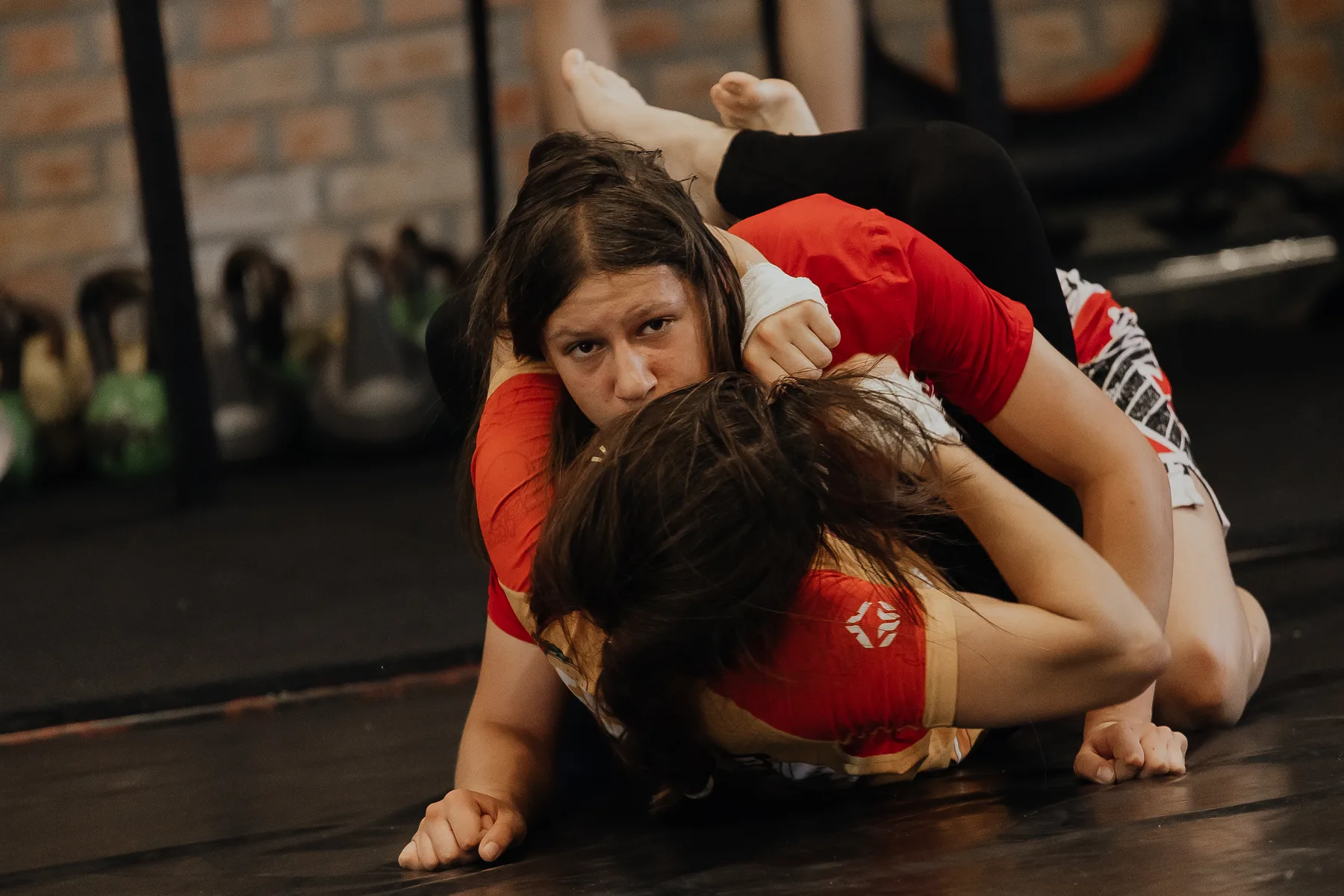
Your first BJJ class will usually include check-in, a warm-up or movement block, technical instruction, partner drilling and, depending on the academy, positional practice or live rolling. Contact the school before arriving because gi and no-gi clothing rules vary. For a gi class, many academies lend or rent a uniform; otherwise ask what color and patches are permitted. For no-gi, a fitted athletic shirt or rash guard and shorts or leggings without pockets, zippers or hard hardware are common. Remove jewelry, trim nails, cover minor abrasions appropriately, bring water and use clean clothing. Arrive early enough to sign required forms and tell the coach that it is your first class. You do not need to know how to fight or “get in shape” first. You do need to listen for stop commands, respect hygiene rules and learn how to tap: clearly pat your partner or the mat several times and say “tap” when needed. Tap before pain becomes the signal. A responsible coach pairs beginners deliberately, explains which techniques are permitted and does not pressure an unprepared visitor into uncontrolled sparring. You may feel confused and unusually tired because grappling combines close contact, isometric effort and unfamiliar decisions. That is not a test you must pass through force. Work at a conversational pace when possible, ask for a reset when lost and focus on one position. Relevant symptoms, injuries, skin concerns or significant limitations should be discussed with appropriately qualified healthcare professionals and the coach rather than diagnosed in the room. Safety depends on coaching, progression, partners and environment.
01
What to understand
Arrive with the right information
Confirm whether the class is gi or no-gi, whether beginners may join, what time doors open, what clothing is accepted and whether a loaner uniform is available. Ask if live rolling is part of the first visit. Five practical answers reduce more anxiety than watching advanced highlight videos.
Understand the three learning modes
Instruction demonstrates the position; drilling lets partners repeat an agreed sequence; sparring adds resistance and choice. Do not confuse a cooperative drill with a contest or assume every partner task is a fight. Ask which mode is active whenever the resistance level is unclear.
Make tapping ordinary
Tapping ends the current exchange immediately; it is communication, not failure. Tap with a hand when possible, use a foot or voice if the hands are trapped, and release as soon as your partner taps. If you are unsure whether a signal was a tap, stop and check.
Use one positional landmark
A first class contains too much vocabulary to retain. Choose one landmark such as keeping elbows connected in bottom side control, building posture inside closed guard or protecting the space between knees and chest. Remembering one decision is a successful first session.
Leave the mat cleanly
Wear footwear whenever you leave the mat, do not return from the restroom barefoot, shower as soon as practical, wash training clothing after every use and clean your gear bag. Follow the academy’s rules for skin concerns and stay off the mat when directed.
02
How to train it
Before class · a two-minute coach briefing
State that you are new, identify any relevant restriction already established by a qualified professional and ask how to signal for help. Do not give the coach a vague biography while class starts; provide the information that changes pairing, movement or contact.
During technique · see, ask, repeat
Watch the full demonstration before arranging your body. Ask one precise question if the start or finish is unclear. Alternate repetitions with your partner and return to the exact start position; adding unsupervised variations makes feedback less useful.
During live work · constrain the objective
If the coach allows you to roll, request a reliable partner and agree on pace. Begin from the taught position when possible. Do not attempt techniques seen online that were not covered or permitted. When lost, protect yourself, breathe, tap when controlled and ask one question after the timer.
After class · record three lines
Write the starting position, the main decision and one question. Note how the class handled pairings and intensity. Avoid grading your talent from one day; decide only whether the environment felt professional enough for a second visit.
Tell the coach you are new before the room starts moving.
Drilling is cooperation with a defined resistance.
Tap clearly, release immediately.
Remember one position, not the whole sport.
Clean gear is part of partner care.
03
Common mistakes
Holding your breath and gripping everything
Unfamiliar contact makes beginners create full-body tension. That accelerates fatigue and reduces perception. Use grips for a defined purpose, exhale during effort and accept that some positions will be lost while you learn.
Hiding an injury to avoid looking difficult
A coach cannot adjust what they do not know. Share relevant professional restrictions before pairing. New or concerning symptoms require an appropriately qualified healthcare professional, not a partner’s diagnosis or a promise to “go easy.”
Trying to win the first round
A first roll is an orientation exercise. Explosive escapes, improvised neck cranks or refusing to tap create risk without demonstrating useful skill. Stay inside permitted techniques and let the coach define resistance.
04
Questions athletes ask
01 · What should I wear to my first BJJ class?
Ask whether it is gi or no-gi. For no-gi, fitted athletic clothing without pockets, zippers or hard hardware is common. For gi, ask about a loaner and uniform policy. Always arrive in clean clothing.
02 · Will I have to spar in my first BJJ class?
Policies vary. Some schools use only drilling or positional work for new students; others permit controlled rolling with selected partners. A responsible academy should explain the choice and not pressure an unprepared visitor.
03 · What does tapping mean in BJJ?
It is the immediate signal to stop the exchange. Clearly tap the partner or mat multiple times or say “tap.” The partner releases immediately. Use it early when you are controlled or uncertain.
04 · Do I need to be fit before starting BJJ?
No universal fitness threshold exists. The class should scale to your current capacity, and skill practice itself develops specific tolerance. Relevant symptoms or limitations should be assessed by qualified professionals rather than tested through a hard first class.
05
Sources and further reading
Training needs vary by athlete, schedule and coaching environment. Use these sources as context, then adapt with qualified support. Educational content for athletes and coaches. This guide does not diagnose injury, replace individualized coaching or override event rules. Stop if an activity causes pain, and use an appropriately qualified coach or healthcare professional for your situation.