
The direct answer
Use the positional hierarchy to decide what to protect, escape and attack first.
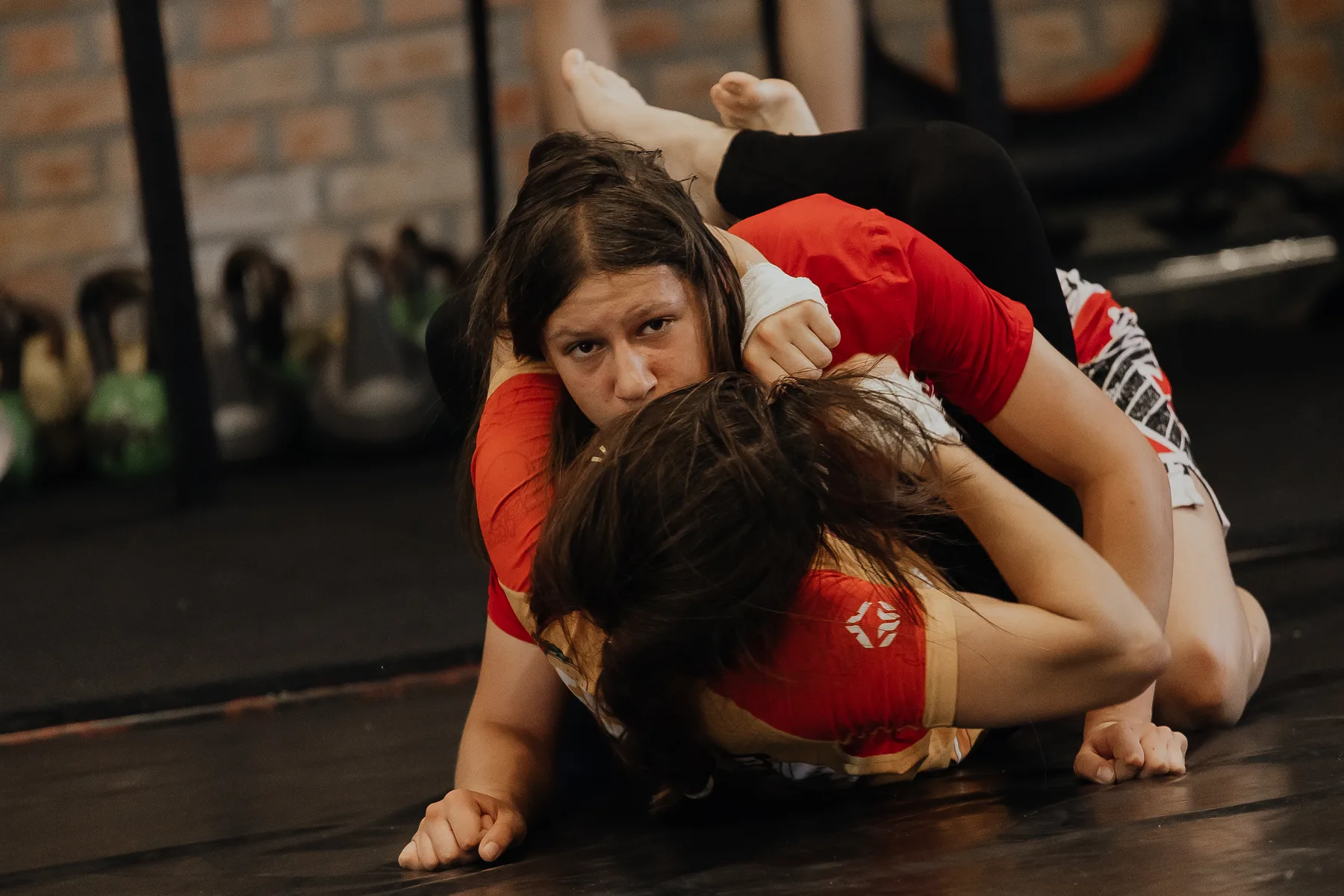
Brazilian jiu-jitsu can be taught responsibly to children, but “BJJ” on the sign does not certify a safe program. The sport involves close contact, takedowns, body weight, chokes and joint locks, so quality depends on how a gym manages predictable exposure. A strong youth program groups children by more than birthday alone, matches size and experience thoughtfully, teaches tapping and immediate release before live submissions, introduces takedowns and resistance progressively, and keeps a coach close enough to intervene. It also treats hygiene, illness, concussion concerns, persistent pain and parent communication as operating procedures rather than inconveniences. No credible coach can promise zero injuries, and an article cannot estimate an individual child’s medical risk. Parents can still make the environment substantially more legible. Observe an ordinary class. Watch whether children know the stop signal, whether the coach stops uncontrolled movement, whether prohibited techniques are clear, and whether a beginner can decline a round without ridicule. Ask which federation’s youth rules guide the curriculum, how suspected injury is handled, who documents incidents and when families are contacted. Look beyond cheerful marketing: a safe room allows useful resistance, but it does not confuse uncontrolled intensity with character. Children should leave challenged, not frightened of speaking. If a child has symptoms, a known health condition or meaningful physical limitations, obtain advice from an appropriately qualified healthcare professional and give the coach the relevant restrictions. Safety is a system shared by coach, child, partner and parent—not a promise attached to the style.
01
What to understand
Verify tap literacy before submissions
Every child should know verbal and physical tap signals, understand that a tap can happen for any reason and release immediately when one occurs. Coaches should teach control positions and slow finishing mechanics before adding resistance. Watch whether tapping is normalized as information or mocked as losing. A room that praises late release, hidden pain or “toughing out” a joint lock is not teaching competitive maturity.
Inspect partner matching and supervision
Age bands alone can hide large differences in body mass, maturity, coordination and months of experience. Good coaches adjust pairs and tasks, especially during takedowns or submission rounds, and they reposition themselves to see the dangerous phase. Ask what happens when the ideal partner is absent. “They sort it out” is not a supervision plan for young beginners.
Treat hygiene as training infrastructure
Mats should be cleaned on a defined schedule, shoes kept off the training surface and obvious skin concerns kept away until appropriately assessed. Children need clean uniforms, trimmed nails, covered minor cuts and a routine for showering and laundering gear promptly. Avoid gyms that diagnose skin conditions casually or pressure a child to train while ill. Medical questions belong with qualified professionals.
Know the injury-response pathway
Ask who stops activity, who provides first response, when emergency services or parents are contacted and how return restrictions are communicated. Head impacts, neurological symptoms, significant joint trauma or worsening pain should not be evaluated through gym folklore. The appropriate response may include stopping activity and seeking qualified healthcare assessment. A coach should respect that process rather than promise a quick return.
02
How to train it
Observe a live-round block
Do not evaluate safety from warm-up games alone. Watch a class through sparring. Note partner selection, legal-technique reminders, coach location, how quickly taps are released and what happens when pace escalates. Children should encounter resistance, but the objective and stop conditions must remain visible. One coach supervising too many simultaneous complex rounds is a capacity problem.
Ask for written policies
Request the youth ruleset, safeguarding or conduct policy, hygiene expectations and incident-contact procedure. Documents do not prove perfect behavior, but they let families and staff share a standard. Compare written rules with what happens on the mat. A policy that nobody follows is weaker evidence than a coach who consistently intervenes.
Use a weekly child check-in
Ask what felt controlled, what felt confusing and whether anyone ignored a stop. Keep questions neutral so the child does not search for a pleasing answer. Repeated dread, secrecy, unexplained injuries, sudden reluctance around one person or fear of telling the coach deserve calm investigation. Avoid turning ordinary frustration into panic, but do not dismiss a pattern.
Tap early; release immediately.
Match size, skill and self-control.
Resistance needs a named task and a stop.
Clean mats and clean gear are performance basics.
Concerning symptoms require qualified assessment.
03
Common mistakes
Believing zero-injury guarantees
Contact sports cannot honestly guarantee zero injuries. Useful claims describe progression, supervision, incident response and how the gym learns from near misses. Absolute reassurance prevents better questions. Parents should seek transparent risk management, not certainty that no responsible coach can offer.
Equating a quiet ground position with no risk
A controlled-looking exchange can still place pressure on a joint, restrict breathing or trap a smaller child beneath weight. Coaches must understand the position and monitor behavior, not just noise. Children need permission to tap before pain and to stop when they feel trapped or panicked.
Ignoring emotional safety
Humiliation, bullying, retaliation, forced secrecy and punishment for reporting pain can damage participation even without a dramatic physical event. Coaches can hold standards without personal attacks. A child who trusts adults will report problems earlier, which is itself a practical layer of physical safety.
04
Questions athletes ask
01 · At what age is BJJ safe for kids?
There is no universal safe birthday. The class must be designed for the child’s developmental stage, with appropriate games, contact, supervision and technique restrictions. Evaluate the specific program and discuss individual medical concerns with a qualified professional.
02 · Are chokes and joint locks safe for children?
They carry risk and are restricted differently by age and organization. Responsible teaching uses legal techniques, position-first control, early taps, immediate release and close supervision. Parents should ask exactly what is taught and why.
03 · How common are injuries in kids BJJ?
Published rates depend on the population, event, definition and exposure measured, so one number should not be applied to every gym. Ask about the local program’s incident procedures and evaluate how it manages controllable factors.
04 · What should a child wear to a first BJJ class?
Follow the academy’s instruction. For no-gi, fitted athletic clothing without zippers or pockets is common; for gi, the school may lend or require a uniform. Remove jewelry, trim nails and bring water and sandals for off-mat areas.
05
Sources and further reading
Training needs vary by athlete, schedule and coaching environment. Use these sources as context, then adapt with qualified support. Educational content for athletes and coaches. This guide does not diagnose injury, replace individualized coaching or override event rules. Stop if an activity causes pain, and use an appropriately qualified coach or healthcare professional for your situation.