
The direct answer
Use the positional hierarchy to decide what to protect, escape and attack first.
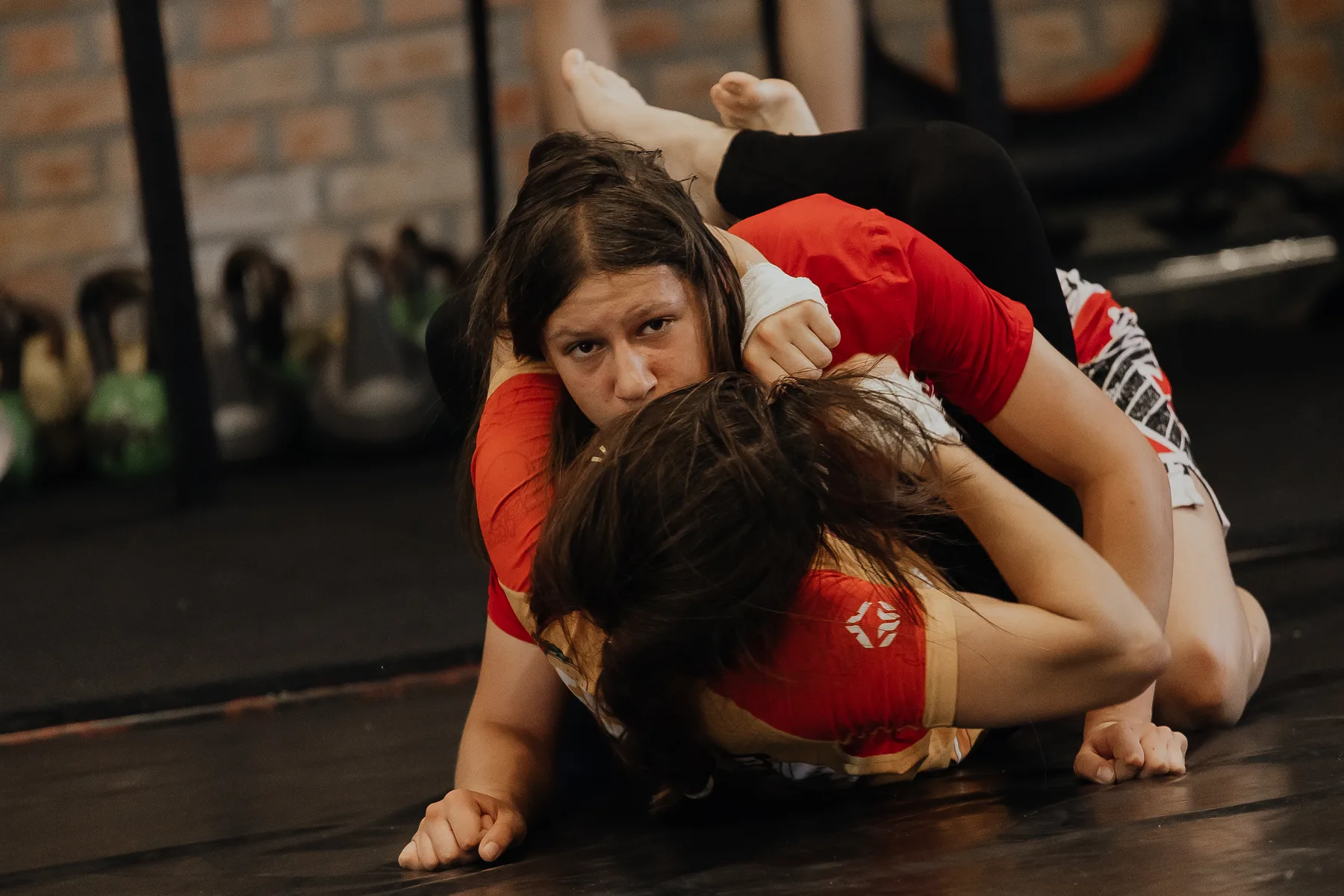
Wrestling transfers to BJJ most effectively as a system of pressure, connection and recovery rather than a list of shots. The stance must account for collar grips in gi, front-headlock attacks in both formats and an opponent who may sit to guard. Hand fighting should create an angle without leaving the neck extended or both arms committed. Takedown chains need a post-landing answer: clear the legs, protect posture and settle into a passing position rather than driving blindly into a submission-ready guard. Mat wrestling also transfers, but its objective changes. A ride can control hips and shoulders, yet BJJ rewards athletes who convert that control into a pass, back exposure or submission pathway. From bottom, wrestling stand-ups and sit-outs are useful only when the athlete protects the neck and understands hooks, body locks and the continuing ground exchange. Scramble skill therefore needs checkpoints. Face the opponent, hide vulnerable joints, win the hip line and know whether the correct result is top control, guard recovery or safe standing. Rules influence tactics: some BJJ organizations score and define takedowns differently, while guard pulling and legal techniques vary. Verify the current event source rather than assuming a wrestling action has the same value everywhere. This guide focuses on the transfer layer between sports. Beginners who still need basic falling and a first takedown should use a standing curriculum first; experienced grapplers can use this system to connect wrestling decisions to BJJ positions.
01
What to understand
Rebuild stance for submissions and grips
Keep wrestling mobility while protecting collar lines, neck position and lead limbs. The correct height changes with gi grips, opponent posture and whether guard pulling is likely.
Hand fight without donating the neck
Use inside ties, wrist control and angle changes with disciplined head position. Reaching with both hands or looking at the floor can turn an entry into a front-headlock problem.
Choose finishes by the landing
Evaluate whether the takedown arrives past the legs, inside guard or in a scramble that exposes the back. Prefer finishes that preserve posture and a clear passing route.
Convert rides into BJJ progress
Hip and wrist control should lead to leg clearing, back exposure or a stable pinning relationship. Holding a wrestling ride without positional advancement may waste the opportunity.
Install scramble checkpoints
Pause conceptually at head safety, hip height and facing direction. These checkpoints keep athletic motion from outrunning submission awareness and positional purpose.
02
How to train it
Block 1 · stance and tie audit
Alternate gi and no-gi starts. The attacker wins one useful tie and angle; the defender tests collar, wrist and front-headlock access without completing a takedown.
Block 2 · shot to passing posture
Finish a single or double pathway at controlled speed, then freeze. The attacker must clear the head, organize elbows and identify the immediate guard or passing problem.
Block 3 · ride conversion
Start behind a turtle with safe chest and hip connection. Top has a short count to expose the back, clear a leg or settle a legal control; bottom protects the neck and rebuilds base.
Block 4 · stand-up with hooks
Bottom attempts a wrestling-style stand-up while top may attach a waist lock or one hook. The stand counts only if the neck stays safe and the athlete faces or clears the opponent.
Block 5 · rules-switch rounds
Use the same standing start under two current BJJ event documents. Athletes state how scoring, guard pulling or boundaries change the tactical choice, then wrestle the scenario.
Transfer principles; rebuild the finish.
Head safe before hands become busy.
A takedown ends in a BJJ position.
Ride to pass, expose or submit.
Face, hips, neck: check the scramble.
03
Common mistakes
Keeping a wrestling stance unchanged
A stance optimized for one ruleset may expose collars, neck or guard-pull reactions in BJJ. Adjust height, hand position and distance to the actual format.
Driving into closed guard without posture
The takedown succeeds but the next problem begins in a vulnerable shape. Control the landing, recover head and elbow position and start the passing decision.
Treating turtle control as the finish
BJJ continues toward guard recovery, back control or reversal. Convert the ride while protecting against rolls and submissions rather than pausing in familiar wrestling control.
Scrambling faster than you can see
Athletic speed without checkpoints can expose neck, back or limbs. Reduce pace and require athletes to name facing direction, hip line and submission risk.
04
Questions athletes ask
01 · Is wrestling good for BJJ?
Yes. Stance, hand fighting, takedowns, rides, stand-ups and scramble awareness transfer strongly when they are adapted to grips, submissions, guard and the target rules.
02 · Which wrestling takedown is best for BJJ?
No single finish fits every athlete or format. Build one leg-attack chain you can enter safely, control through the landing and connect to a passing position.
03 · Do wrestling rides score in BJJ?
Scoring depends on the organization and the position reached, not the wrestling name. Check the current event rules and train the ride to produce recognizable BJJ control.
04 · Can a wrestler skip learning guard?
No. Takedowns can fail, guard pulls occur and scrambles place athletes underneath. Guard survival, recovery and offense are necessary for a complete BJJ game.
05
Sources and further reading
Training needs vary by athlete, schedule and coaching environment. Use these sources as context, then adapt with qualified support. Educational content for athletes and coaches. This guide does not diagnose injury, replace individualized coaching or override event rules. Stop if an activity causes pain, and use an appropriately qualified coach or healthcare professional for your situation.