
The direct answer
Start with the rule set, then connect stance, first contact and one reliable finish.
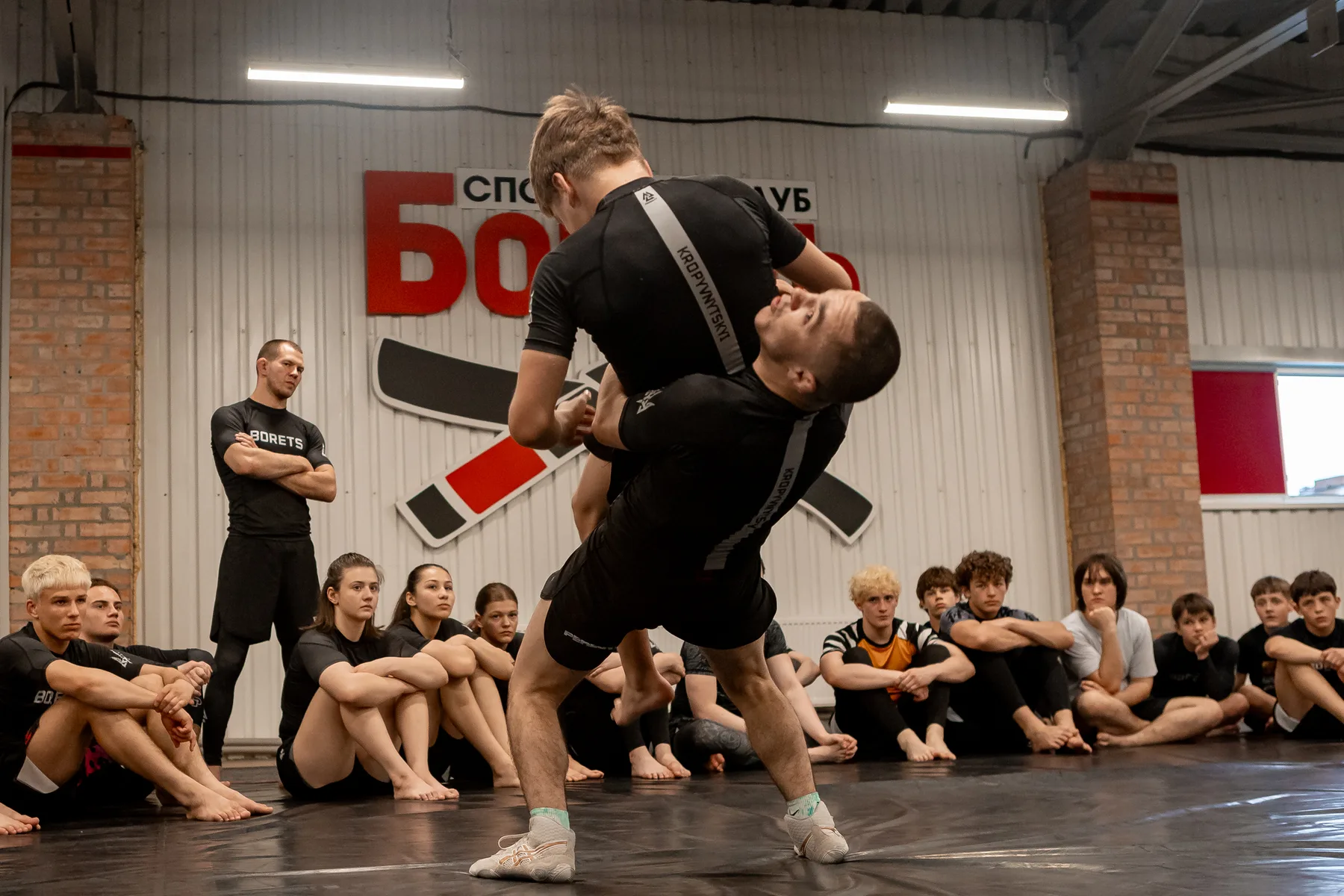
A useful wrestling stance is not the lowest pose you can hold. It is the height, width and pressure distribution from which you can level change, penetrate, sprawl, circle and make first contact without a visible reset. Motion should change distance, angle or the opponent’s stance; hand fighting should win a lane, produce a predictable reaction and connect immediately to an attack or safe exit. Build one repeatable chain: stable stance, disciplined first contact, one purposeful tie, one reaction and one primary attack. Exact posture changes with body proportions, ruleset and opponent, so a qualified wrestling coach should adjust the model rather than forcing every athlete into the same photograph.
01
What to understand
Organize a stance that stays available
Place the feet wide enough for balance but close enough to step, with knees and hips flexed rather than collapsed. Keep the head over a usable base, elbows near defensive lanes and weight distributed so either foot can move first. Test the stance by having a partner give light pushes, snaps and level-change cues. If the athlete must stand up, hop both feet or reach for balance before responding, adjust the position.
Make footwork solve a problem
A step should close distance, remove a threatened leg, create an outside angle or make the opponent step into the attack. Use short push-steps and directional circles without crossing the feet in contested range. Distinguish stalking from chasing: stalking narrows exits while preserving defense; chasing follows the opponent’s path and exposes the lead leg. After every movement drill, ask what changed besides the athlete’s location.
Win first contact without reaching
Let the feet deliver the hands. Contact with a disciplined forehead, forearms and hands while the hips remain able to defend. Use posts and brief touches to read pressure before committing to a tie. Reaching from outside range lengthens the posture and offers the opponent a clean leg attack. The goal is not to touch first at any cost; it is to arrive in a structure that can immediately attack, clear or counter.
Give every tie a job
Choose a small set of ties that create inside position, head position, wrist access or an underhook rather than collecting grips. For each tie, define the reaction you want: a step, posted hand, raised elbow, squared hips or pressure back into you. If the tie produces no useful change within a brief exchange, improve it or exit. Static squeezing spends energy and often gives the opponent time to build a better connection.
Connect reaction to a complete attack
The setup, entry, finish and recovery belong to one system. A snap that makes the opponent step should trigger the chosen leg attack; an opponent who squares up may expose a different branch. Finish with recognized control and a ready transition instead of admiring the entry. If the first path closes, use one trained secondary answer or return to stance safely rather than inventing a low-posture scramble.
02
How to train it
Calibrate stance under simple demands
Work in short rounds while a coach randomly calls step, circle, level change, sprawl, post or re-attack. The athlete must respond without lifting the head, bringing the feet together or resetting the hands. Film from the front and side, then choose one correction only. Increase speed after the posture survives cleanly; fatigue is not useful until the movement pattern is stable.
Play the lead-foot distance game
One wrestler scores by touching the partner’s lead knee with correct posture; the defender scores by making the attacker overreach or cross the feet. No ties or takedowns are allowed initially. This isolates distance and angle without turning the drill into a race. Later add a single legal entry after a clean touch so footwork gains an immediate technical consequence.
Win and clear first contact
Begin at fingertip range. The attacker has ten seconds to obtain one agreed inside position and either create a reaction or disengage in stance; the defender tries to deny the lane without retreating blindly. Restart after a static hold. Rotate partners of different heights and leads so the athlete learns adaptable landmarks rather than one cooperative picture.
Build a two-reaction hand-fighting tree
Choose one tie and two common defensive responses. For example, a partner may posture away or pressure forward after the same snap-and-wrist connection. The attacker identifies the response aloud and uses the assigned attack. Begin cooperative, add progressive resistance and finish with constrained live rounds. Do not add a third branch until both existing choices appear on time under honest resistance.
Test the chain in scored rounds
The attacker may score only after using the selected first contact and setup; the defender scores by clearing to balanced neutral position or countering. Start each exchange in stance and stop after established control. Track successful contacts, useful reactions, entries and completed finishes separately. The numbers reveal whether failure starts at distance, tie, timing or finish instead of labeling the whole technique ineffective.
Ready to step, shoot or sprawl from the same stance.
Feet deliver the hands; do not reach from behind.
Move to change distance, angle or reaction.
Tie briefly, create a step, attack immediately.
Exit in stance when the connection stops paying.
03
Common mistakes
Copying one universal stance
Body proportions, injury history, preferred attacks and ruleset alter useful posture. A short athlete and a long-limbed athlete may protect space differently while meeting the same functional tests. Coach the ability to attack, defend and move, not a cosmetic silhouette. Pain, persistent asymmetry or loss of control requires assessment by an appropriately qualified coach or health professional.
Moving constantly without gaining anything
Busy feet can look athletic while giving the opponent the center and predictable timing. Every movement should have a tactical destination: safer distance, better angle, blocked exit or prepared contact. Use freeze calls during shadow and partner drills; the athlete must name what the last two steps achieved. If there is no answer, simplify the path and reduce decorative bouncing.
Squeezing ties instead of producing reactions
Long static ties fatigue the forearms and let the opponent organize counters. Pressure should travel through posture and feet to move a target, expose a lane or force a predictable post. Set a brief time limit for useful contact in drills. If nothing changes, improve head and inside position, switch to the trained branch or clear without leaving the legs behind.
Drilling entries without control or recovery
Fast penetration steps can create false confidence when every repetition ends at contact. Against resistance, the athlete still needs posture, a finish, recognized control and an exit if the attack fails. Count complete sequences, not knee touches. Use progressive resistance and safe landing standards; never let speed turn partner drills into uncontrolled collisions or joint-loading contests.
04
Questions athletes ask
01 · How low should a wrestling stance be?
Low enough to protect reachable targets and enter without first rising, but high enough to step, circle, breathe and defend immediately. Use functional checks rather than a fixed knee angle: can the athlete touch a target, sprawl, recover and move either foot without a reset? A coach should individualize the stance for proportions, preferred attacks and the rules being trained.
02 · What is the best hand-fighting tie for a beginner?
The best first tie is one the coach can connect to a safe entry, a defense and a clean exit. Inside control, a disciplined collar-tie-and-wrist relationship or an underhook may fit, but the label matters less than head position, elbow safety and the reaction it creates. Learn one connection deeply before adding several unrelated grips.
03 · Should wrestlers circle all the time?
No. Circling is useful when it changes an angle, leaves danger, protects a lead leg or turns the opponent toward an attack. Automatic circling can surrender space and make timing predictable. Mix purposeful lateral steps with pressure, pauses and direction changes, then judge the movement by the position it creates rather than the amount of distance traveled.
04 · How often should stance and hand fighting be trained?
Use short, high-attention exposures in most technical practices rather than one exhausting weekly block. Stance and first contact are present in every neutral exchange, so they can be reinforced in warm-ups, constrained games and live starts. Keep a small metric—such as clean first contacts converted to attacks—and reduce volume when fatigue makes athletes rehearse reaching, crossing or poor posture.
05
Sources and further reading
Training needs vary by athlete, schedule and coaching environment. Use these sources as context, then adapt with qualified support. Educational content for athletes and coaches. This guide does not diagnose injury, replace individualized coaching or override event rules. Stop if an activity causes pain, and use an appropriately qualified coach or healthcare professional for your situation.