
The direct answer
Start with the rule set, then connect stance, first contact and one reliable finish.
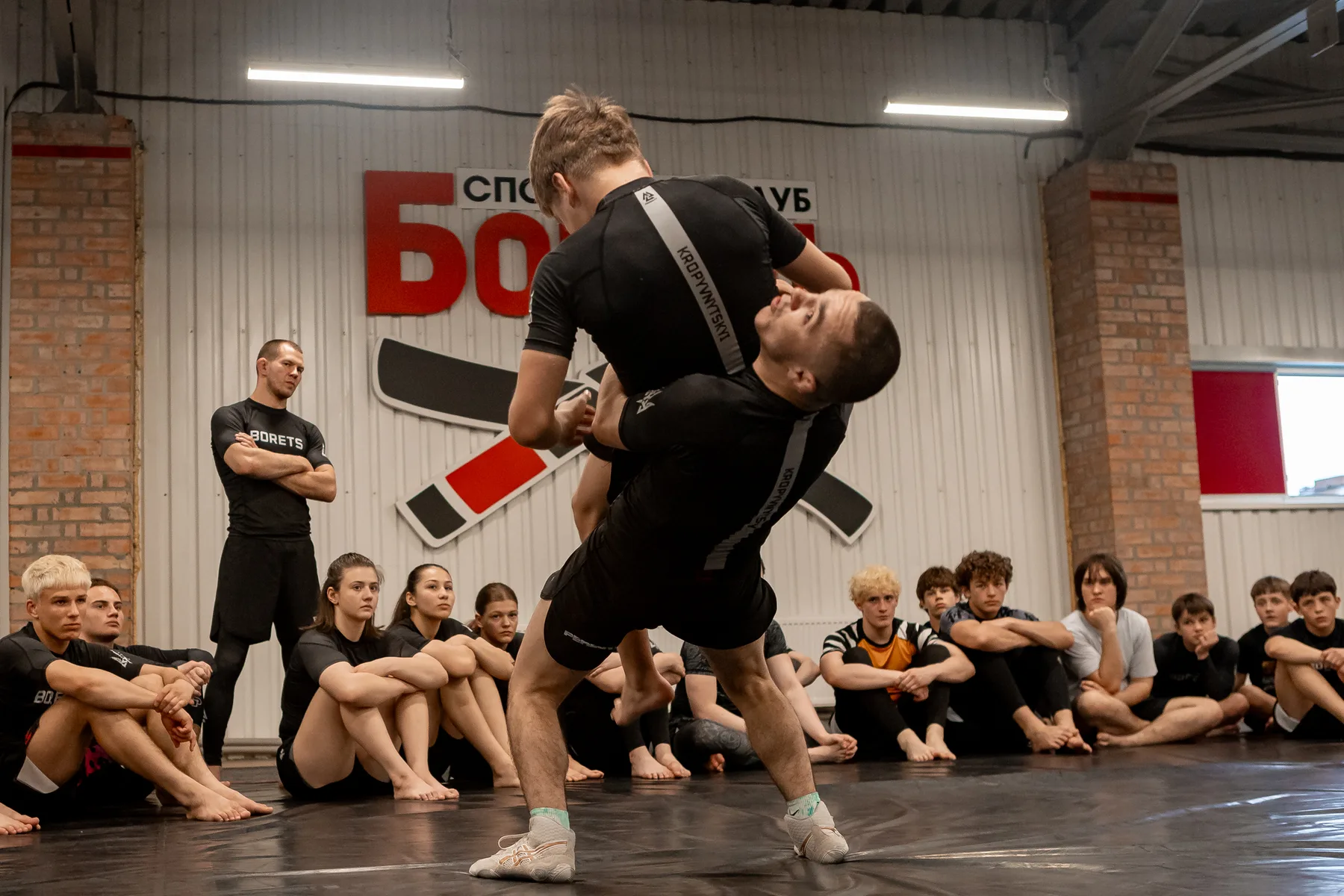
Freestyle and Greco-Roman are international wrestling styles governed by the current UWW rules, but one legal boundary changes the entire technical game. Freestyle permits attacks and active use of the legs within the rules. Greco-Roman forbids grasping below the belt line, tripping and actively using the legs against the opponent to perform an action. That difference reshapes stance, distance, hand fighting, defense and preferred finishes. Freestyle athletes can threaten level changes and leg attacks; Greco athletes must create upper-body control, off-balancing, body locks, arm controls and legal throws while defending without illegal leg action. Both styles reward decisive wrestling and include par-terre problems, yet the routes into scoring positions are not interchangeable. A crossover athlete should keep posture, pressure, timing and hand-fighting intelligence, then remove illegal habits and build style-specific attack chains. Verify the current UWW rule book and event information before competition, because scoring interpretations and procedures can be updated.
01
What to understand
Let legality shape the stance
A freestyle stance must respect credible attacks to the legs. Greco stance and contact can prioritize upper-body pummeling and throw defense because the legal attack map is different. Do not copy a silhouette. Build posture from the threats an opponent is actually allowed to create.
Keep hand fighting, change its destination
Inside position, head position, wrist control, posts and snaps matter in both styles. In freestyle they may open a leg; in Greco they may create an underhook, body lock, arm control or angle for a legal upper-body action. Train the same first contact with different destinations.
Rebuild defensive reflexes
A crossover wrestler may instinctively block, hook or trip with a leg in Greco. Slow down common defenses and identify which limb action becomes illegal. Replace it with legal head, chest, hip, hand and foot-position solutions before live speed makes the old reflex automatic.
02
How to train it
Drill 1 · legal-contact audit
Use ten still frames from standing exchanges. Athletes label the active style, legal targets, possible attacks and one prohibited habit. Confirm answers in the current UWW rules. Then reproduce the legal first contact slowly and progress to hand fighting without a finish.
Drill 2 · one tie, two attacks
Start from an underhook or two-on-one. In freestyle, connect it to a legal leg or upper-body branch. In Greco, connect it to a legal upper-body branch without using the legs against the opponent. Freeze at the commitment point and audit posture, balance and scoring direction.
Drill 3 · alternating defense
The attacker initiates the same upper-body pressure while the coach calls freestyle or Greco. The defender must use a legal style-specific response and then counter. Any leg reflex in Greco stops the repetition for correction, not punishment. Accuracy comes before speed.
The legal target map builds the stance.
Same tie, different destination.
In Greco, remove illegal leg reflexes before speed.
Verify the current UWW rules before the event.
03
Common mistakes
Defining Greco as freestyle without leg attacks
That shortcut misses how the restriction transforms stance, contact, defense, pressure and par terre. Teach Greco as a complete upper-body rules problem, not a reduced version of another style.
Keeping an illegal defensive hook
A movement learned elsewhere may appear small but still violate Greco’s leg restrictions. Audit video at slow speed and replace the action with legal position. Repeated warnings without a technical substitute will not change the reflex.
Using one par-terre plan for both styles
Both styles include ground phases, but style-specific rules and common positions shape the highest-value attacks and defenses. Build separate first actions and restart awareness rather than assuming every turn transfers unchanged.
04
Questions athletes ask
01 · What is the simplest rules difference?
Under current UWW rules, freestyle permits legal attacks and active use of the legs, while Greco-Roman forbids grasping below the belt line, tripping and actively using the legs against the opponent to execute an action. Read the full current rules for definitions and sanctions.
02 · Do freestyle skills help in Greco?
Yes: stance discipline, timing, pressure, head position, wrists, inside control, balance and competitive awareness transfer. Leg-attack entries and defensive leg actions do not transfer as Greco techniques. Rebuild their destination and legality with a qualified coach.
03 · Which style should a beginner learn first?
Choose the qualified coaching, safe room and competition pathway available to you. Either style can build excellent wrestling. If both are offered, establish fundamentals in one active ruleset before alternating rapidly, then use explicit crossover sessions.
05
Governing and institutional sources
Rules can change. The linked governing document—not this summary—controls your event. Educational content for athletes and coaches. This guide does not diagnose injury, replace individualized coaching or override event rules. Stop if an activity causes pain, and use an appropriately qualified coach or healthcare professional for your situation.